
Mole Tunnels That Collapse Under Foot on Michigan Lawns
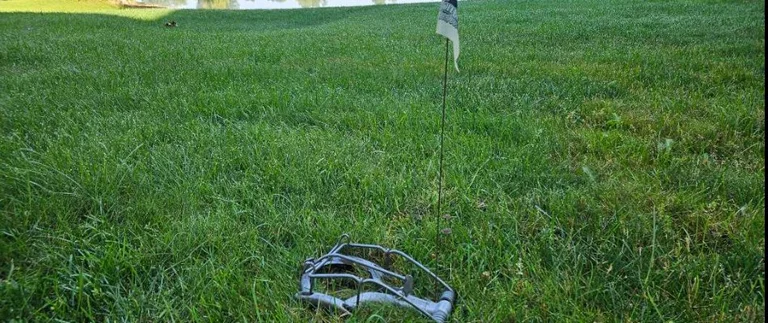
Mole Tunnels That Collapse Under Foot on Michigan Lawns
Why collapse tunnels show up in fall
Mole activity on Michigan lots intensifies when soil softens after rain and earthworm counts rise near the surface. Tunnels that were firm in August can soften by October on clay that holds moisture in the root zone.
A heel that drops two inches on what looked like a solid ridge yesterday is usually a collapsed upper run, not new damage spreading overnight. Photograph the same ridge after dry weather returns to see whether it firms again.
Grand Rapids subdivisions on compacted fill often show collapse along fence lines and downspout splash zones where moisture stacks even when open turf looks normal from the street.
West Michigan glacial clay, lake effect moisture, and cool season turf change how the same symptom looks from one Grand Rapids suburb to the next. Photograph sun bands, irrigation overlap, and recent traffic before you lock a product choice. Tuff Turf aligns lawn care, pest control, and animal control across Kent, Ottawa, and Allegan counties from field evidence on real residential lots.
Separating mole routing from vole surface runs
Moles build raised ridges with sealed soil and no obvious entry at the center of a lawn panel. Voles leave open runways with visible grass wear and clipped stems at tunnels near beds.
Compare ridge height along the dog path versus under the trampoline pad. Parallel low runs that never mound may be vole work or old mole scars that collapsed after rain.
Uncertain identification belongs in conversation with mole control under animal control before wide seeding or grub treatments cover burrowing patterns you have not named.
West Michigan glacial clay, lake effect moisture, and cool season turf change how the same symptom looks from one Grand Rapids suburb to the next. Photograph sun bands, irrigation overlap, and recent traffic before you lock a product choice. Tuff Turf aligns lawn care, pest control, and animal control across Kent, Ottawa, and Allegan counties from field evidence on real residential lots.
Clay moisture and shallow feeding lanes
Glacial clay drains slowly along low bowls yet firms into a crust on sunny strips beside brick returns. Moles follow earthworm and beetle larvae bands where soil is workable, not always where turf color looks worst.
Overwatering after a dry August week can invite surface feeding near patios while interior zones stay firm. Finger test two inches down on collapsed tunnels before you blame insects for spongy feel.
Holland lake moderated lots may show tunnels reopening near shore moisture even when inland Kentwood panels look stable. Map those wet ribbons separately from sun stressed arcs.
Grub confusion on the same spongy patch
Turf that feels soft underfoot invites grub assumptions when color is off. Gently tug grass at the edge of a collapsed tunnel when the lawn is dry enough to walk without deep prints.
If sod holds firm and roots resist peel, mole collapse and irrigation rhythm may lead the story. Irregular carpet peel with little root resistance points toward larvae or other root feeders worth photographing.
Read grub control context only after a lift test on the same band. Treating burrowing collapse as automatic grub damage is a common waste on Michigan clay when larvae counts were never verified.
Recovery without burying active runs
Rolling or heavy foot traffic over soft tunnels can smooth ridges temporarily while moles reopen routes below within days. Leveling soil without addressing activity treats appearance, not cause.
Mowing across fresh mounds spreads soil into crowns and can compress collapsed channels back into walking hazards. Mark active lines before guests arrive on wet October weekends.
Share ridge photos, last irrigation week, and pet traffic maps through contact or call (616) 554-9499. Structured lawn care and mole control planning beats weekend product passes on the same wet clay profile.
When to escalate beyond one ridge
Multiple collapse zones across a property often mean established run networks rather than a single traveler. Wide clay plates can support branching tunnels under open turf that never showed a tall mound.
Properties with woods lines, wet swales, or ornamental beds that stay damp into November see repeat collapse after every soaking rain until routing is addressed.
West Michigan glacial clay, lake effect moisture, and cool season turf change how the same symptom looks from one Grand Rapids suburb to the next. Photograph sun bands, irrigation overlap, and recent traffic before you lock a product choice. Tuff Turf aligns lawn care, pest control, and animal control across Kent, Ottawa, and Allegan counties from field evidence.
Disclaimer: This article is for general informational purposes only. It is not professional advice, a quote, or a service agreement. Conditions at your home or property may differ; contact a qualified professional for an on-site evaluation before making repair, safety, or spending decisions.
Need Professional Help?
Our experienced team is ready to help you achieve the lawn of your dreams. Contact us today for a free estimate!