Standing Water in Your Yard After Rain and What Helps in West Michigan
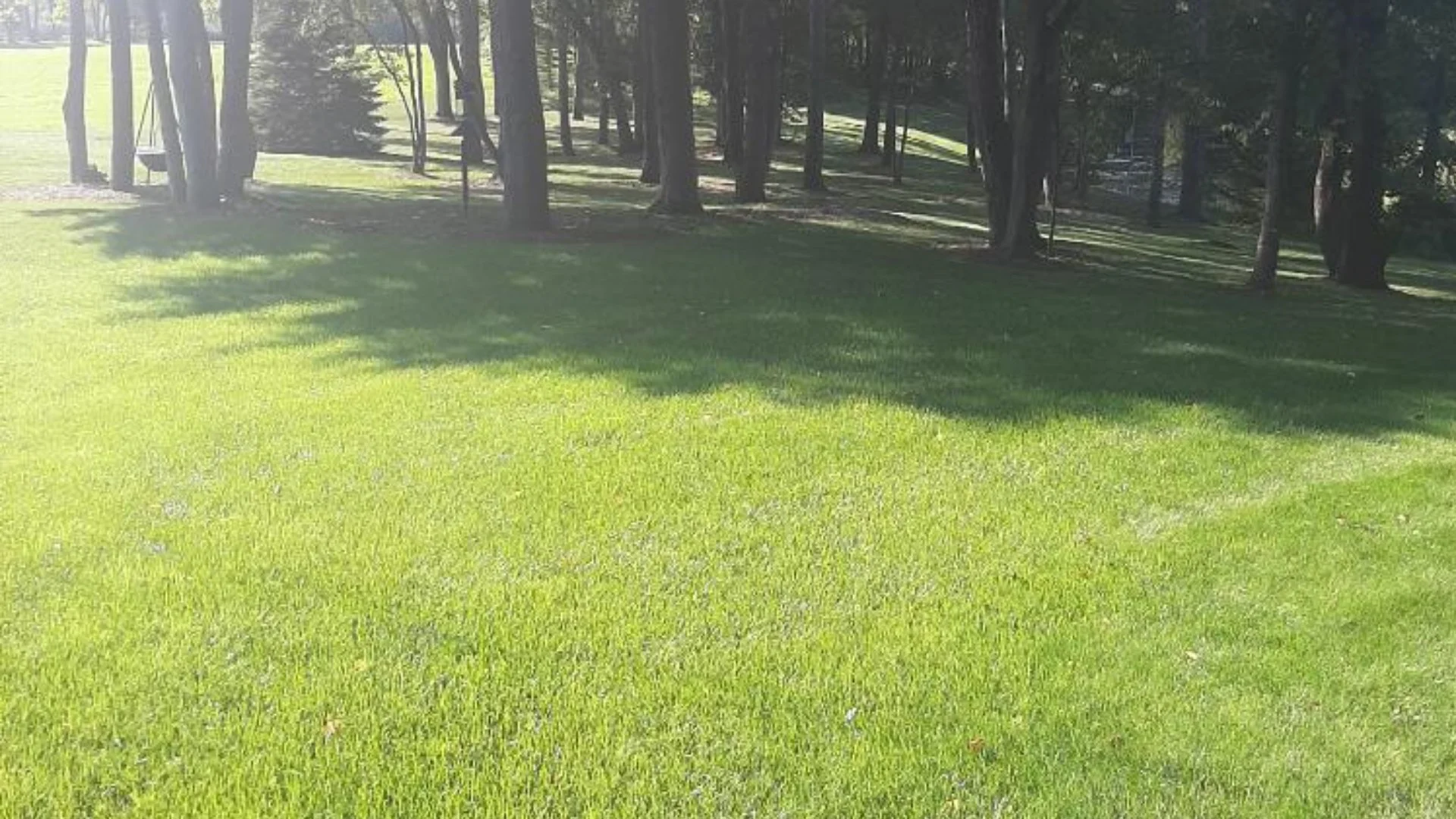
After a spring rain in Grand Rapids or along the lakeshore, some yards dry out in a day. Others stay wet for days. You step off the walk and sink in. The dog tracks mud across the patio. Spots in the lawn turn yellow or thin out because the roots never get a break from sitting in water. If that sounds like your place, you are not alone. Heavy clay is common in West Michigan, and it holds water tight until something changes how the ground accepts rain.
Why Some Lawns Stay Soggy
Clay soil packs into fine particles that stick together. When it rains, water sits on top or moves sideways instead of soaking in evenly. Low spots, compacted areas from foot traffic or equipment, and places where downspouts dump a lot of water at once all make the problem worse. Sometimes the grade of the yard sends water toward the house or a flower bed instead of away from it. Fixing the ground starts with noticing where water collects and how long it stays.
Signs Your Lawn Is Holding Too Much Water
Moss in shady corners, algae on the soil surface, or a sour smell when you dig down a few inches can all point to constant wetness. Boot prints stay full of water long after the rest of the street looks dry. The grass may look more yellow green than rich green because the roots never dry out enough to take up food well. In neighborhoods from Wyoming to Hudsonville these patterns often show up in the same low strips every year until roof runoff and soil care are handled together.
Simple Steps You Can Take First
Move roof water away from the foundation. Extend downspouts several feet from the house with splash blocks or buried pipe so thousands of gallons per year are not dumped next to the basement wall or a low corner of the lawn.
Check the Slope and Low Spots
- Fill shallow dips with a thin layer of topsoil over time so the surface drains toward a safe outlet, not toward the home.
- Avoid walking or mowing when the lawn is soaked; that compacts the soil and makes future puddling worse.
- Trim back thick edges where grass meets beds so air can reach the soil surface.
When the Soil Itself Needs Help
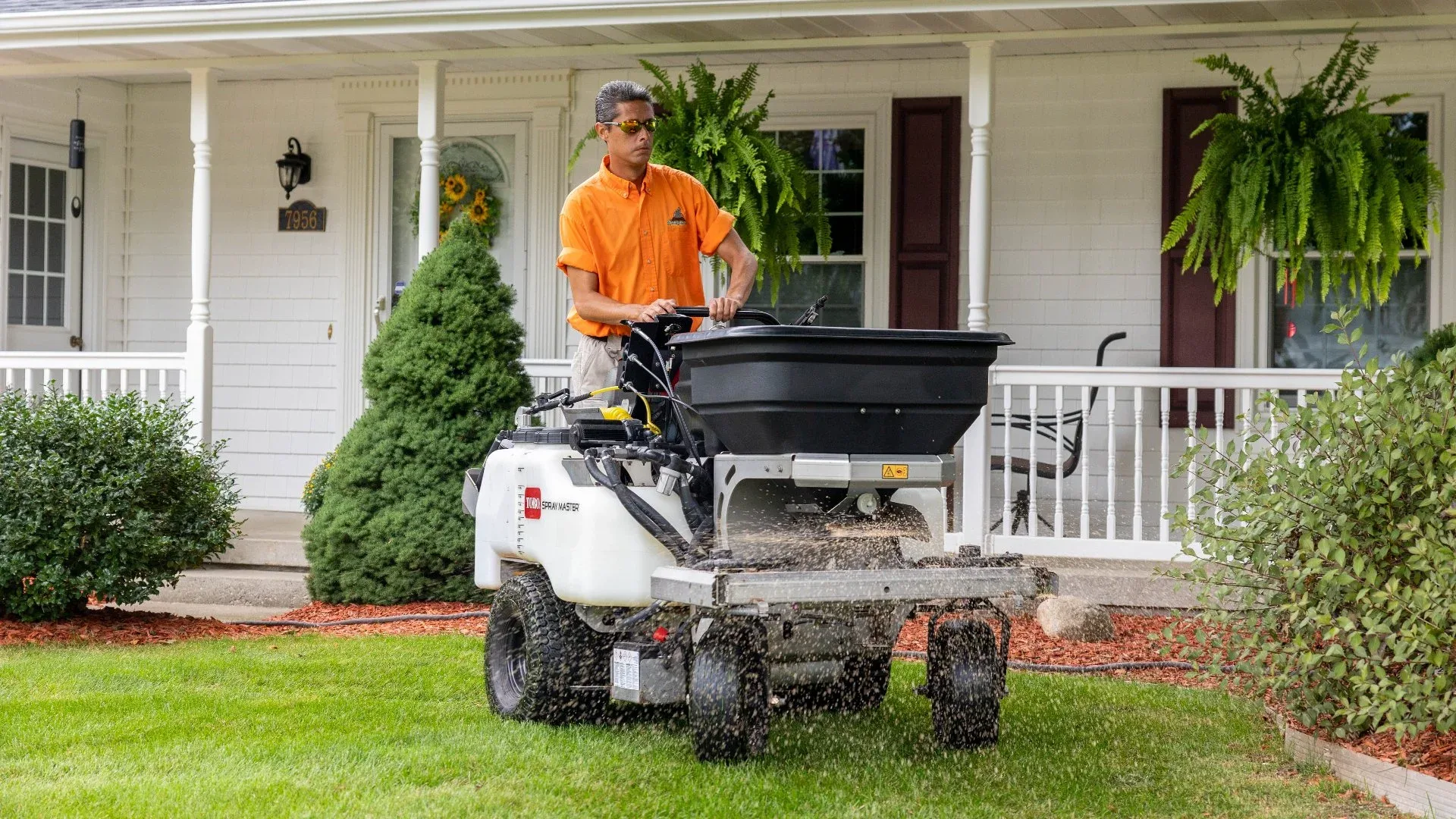
If you have done the obvious fixes and the lawn still holds water, the clay may need to be opened up so moisture can move through the top layers. Core aeration pulls plugs from the lawn and gives air and water paths into the root zone. That pairs well with feeding and overseeding when the season is right. Another option homeowners in Rockford, Ada, and Byron Center ask about is a professional gypsum treatment. Gypsum works on clay without swinging soil acidity the way lime does. It helps the soil crumbs separate so water can filter down instead of sitting on the surface. Our team applies it as an add on to a lawn care program, usually in late summer or early fall when the ground is workable. Learn more about gypsum treatment if standing water and hard, slick clay sound familiar.
Grass and Wet Areas
Grass that sits wet invites weak growth and bare patches. A steady lawn care plan with proper feeding helps the turf stay as strong as the site allows, but no amount of fertilizer fixes a yard that is underwater half the week. Address moving the water first, then rebuild thickness with seed or sod in the fall when conditions are best. If you are not sure whether the issue is grade, compaction, or clay, we can look at the property and point you in the right direction.
What Success Looks Like
You should see puddles shrink faster after rain, firmer footing when you cross the lawn, and fewer muddy tracks to the door. Big changes may take a season or two if the soil has been compacted for years. Patience and the right combination of culture, aeration, and sometimes gypsum get most West Michigan yards on better footing.
Spring Melt and Heavy Rains
March and April storms hit fast. If the ground is still cold, water sits longer than it does in June. That is normal for a week or two, but if soup like conditions last all spring, the clay needs help. Watch how long puddles last after a one inch rain. If they are still there after two full sunny days, you have a drainage pattern worth fixing before you invest in new seed or sod.
Ready for a plan tailored to your lot in Grand Rapids or the surrounding area? Contact us for a free estimate. We serve communities across West Michigan and can tie wet lawn fixes into the rest of your outdoor care.
Need Professional Help?
Our experienced team is ready to help you achieve the lawn of your dreams. Contact us today for a free estimate!