Tree Fertilization Is Not the Same Thing as Fertilizing the Lawn
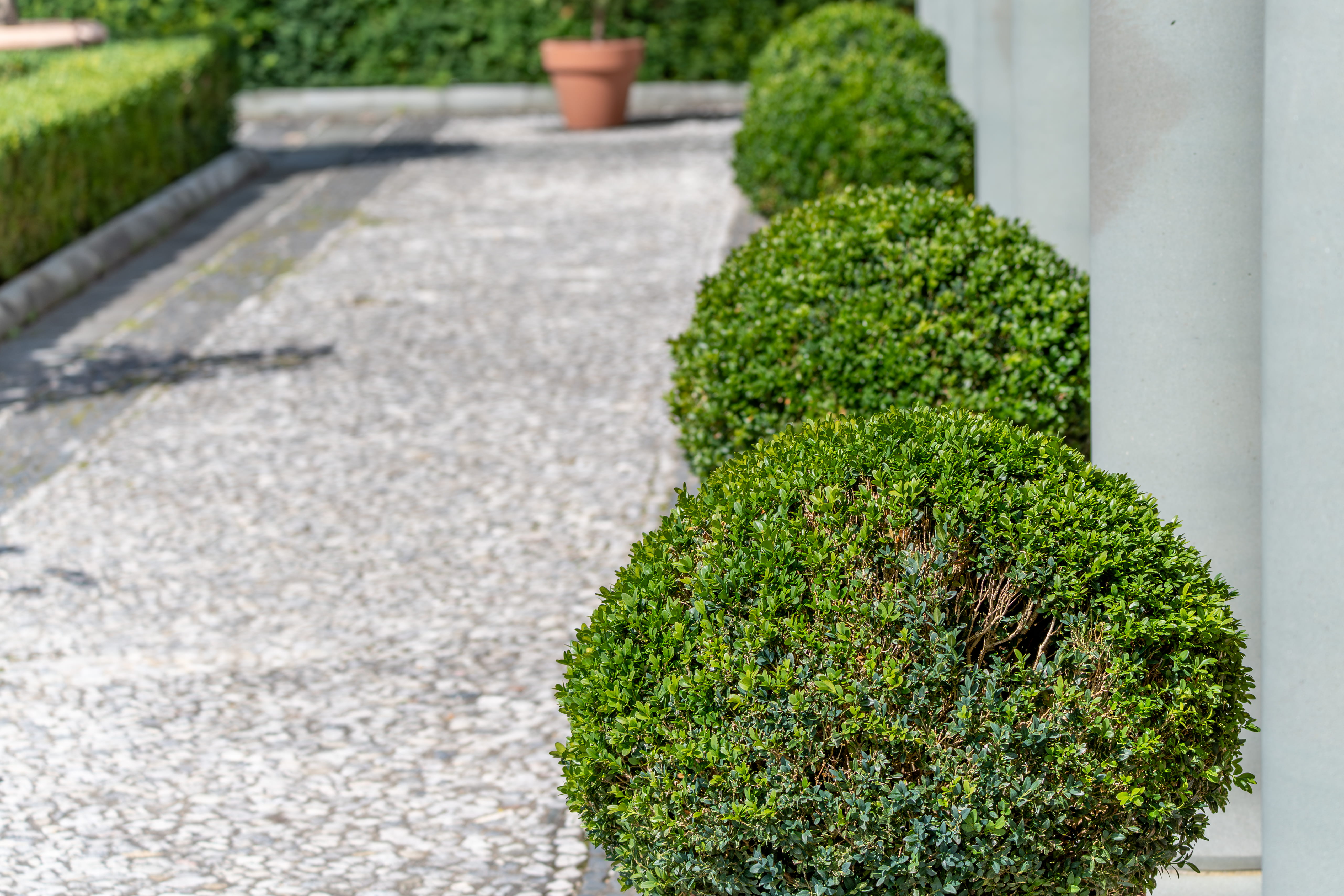
A lawn and a mature maple can grow out of the same soil and still need completely different care.
The lawn is mowed every week, replaced relatively easily, and managed as thousands of grass plants across one surface. A tree may have been part of the property for decades, extend roots far outside the visible bed around its trunk, and respond to soil and nutrient conditions on a very different scale.
Tuff Turf Mole Busters now operates a dedicated Plant Health Care division alongside our lawn services. Our tree and shrub fertilization program includes deep-root applications, micronutrient support, and slow-release options rather than treating ornamental plants as another pass of the lawn fertilizer spreader.
That separation is worth understanding before assuming a green lawn means every plant on the property is receiving the same care.
The root zone is larger than the mulch ring
Homeowners often think of the circle of mulch around a tree as the tree's territory.
Roots do not follow that circle.
A mature tree's root system can extend through surrounding lawn and landscape areas, which means the plant is interacting with soil well beyond the visible bed. That is one reason our tree and shrub program places nutrients into the root zone rather than treating only the surface immediately beside the trunk.
This also changes how the technician evaluates the property.
Soil compaction, recent construction, irrigation changes, and surrounding turf conditions can all become relevant when a tree starts behaving differently.
The fertilizer is only one part of that discussion.
Deep-root fertilization has a different delivery method
We describe our plant-health fertilization service as using deep-root injection to deliver nutrients into the root zone. We also offer slow-release formulations and micronutrient support where testing or plant conditions indicate a specific need.
That is very different from feeding a lawn across thousands of square feet with lawn fertilization.
The technician is working around specific trees and shrubs.
The program can therefore account for species, plant condition, soil, and the role those plants play in the landscape.
A mature ornamental tree near the front of the house may deserve a different conversation from a newly planted shrub. Putting both on one generic schedule would miss that difference.
Micronutrients should follow a reason
Our plant-health page specifically lists micronutrient support for deficiencies involving nutrients such as iron and manganese.
That does not mean every yellow leaf should trigger another supplement.
Leaf color can change for many reasons. A plant may be dealing with soil conditions, water, insects, disease, pruning history, or another form of stress.
The technician's job is to connect the treatment to what is being observed rather than adding products simply because the plant looks different from the one beside it.
This is one advantage of keeping fertilization inside a broader plant-health service rather than treating it as a stand-alone product.
We also offer disease-management programs and Integrated Pest Management for trees and shrubs, giving our technicians other paths when nutrition is not the main issue. Product details for related treatments can be reviewed on the product labels page.
Plant health can overlap with pruning
A shrub may need nutrients and still be poorly shaped.
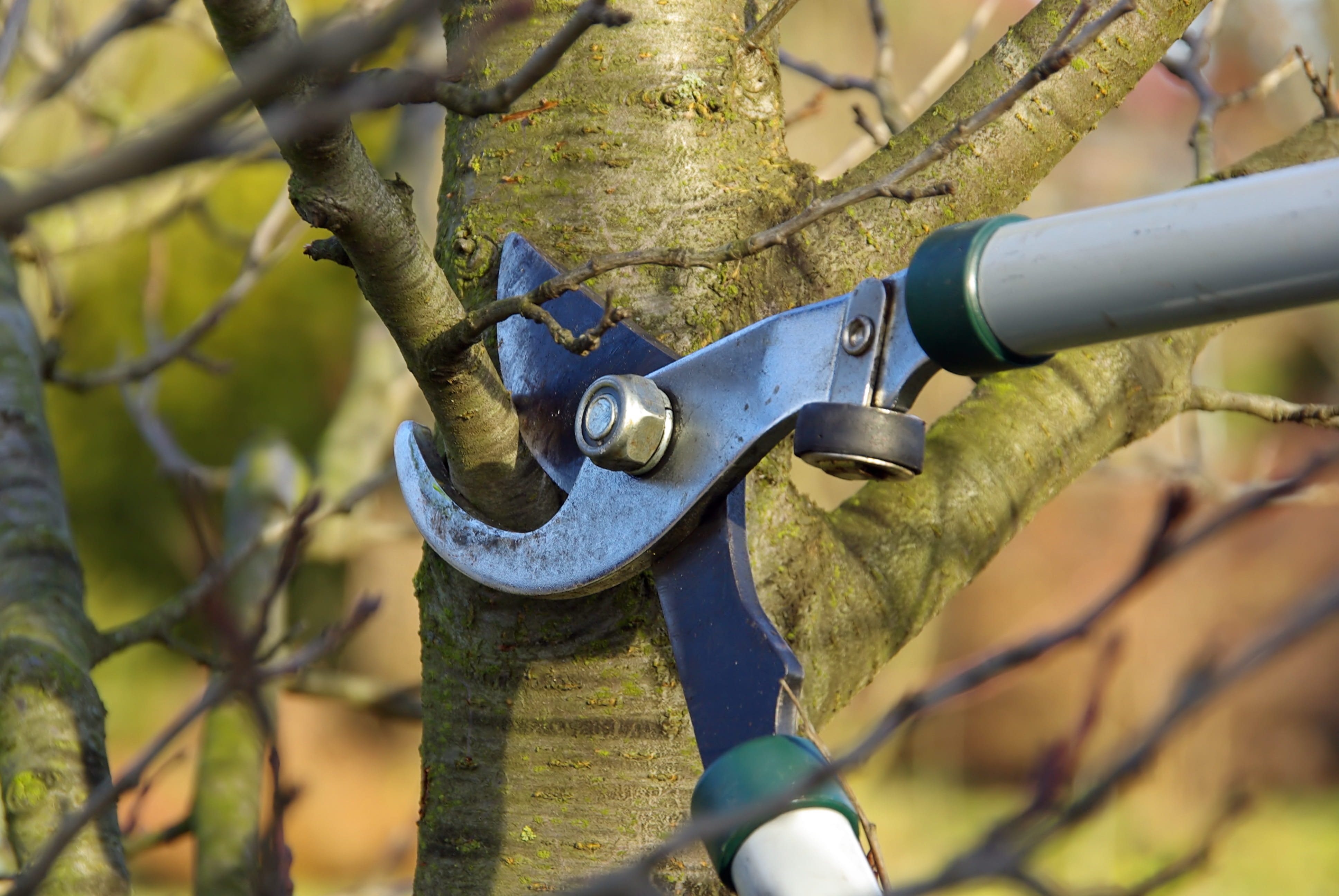
Another plant may be growing well but have branches that need selective pruning.
We offer tree pruning and shrub pruning as separate plant-health services alongside fertilization.
That separation matters because fertilizer should not be used to solve a structural problem, and pruning should not be used to solve a nutrient problem.
The same property may need both at different times.
A technician who sees the landscape repeatedly can also notice when the plant has moved from a routine maintenance need into a disease or insect discussion.
A good lawn can hide a struggling tree
This is one reason homeowners should walk the property beyond the grass.
A lawn may respond quickly to its fertilization program while a slow-growing ornamental changes much more gradually.
Look at canopy density.
Look at new growth.
Compare similar shrubs.
Notice whether one plant has changed while the rest of the landscape appears normal.
These observations do not require the homeowner to diagnose anything. They simply give our plant-health team a better history when it evaluates the property.
Because we now provide both lawn and plant-health services, those observations can stay within the same broader account while still being handled as separate treatment programs.
Treat the landscape as several kinds of plants, not one green surface
A well-kept property may contain lawn, shrubs, mature shade trees, ornamental trees, perennial beds, and other plants all competing for light, water, soil, and space.
They do not need identical maintenance simply because they share an address.
Browse more tips on the blog. Our Plant Health Care division now includes fertilization, pruning, disease management, and Integrated Pest Management throughout West Michigan.
Contact us at 616-554-9499 to discuss the trees and shrubs separately from the normal lawn program.
Need Professional Help?
Our experienced team is ready to help you achieve the lawn of your dreams. Contact us today for a free estimate!