Why Tuff Turf Mole Control Comes in 8, 15, or 20 Visits
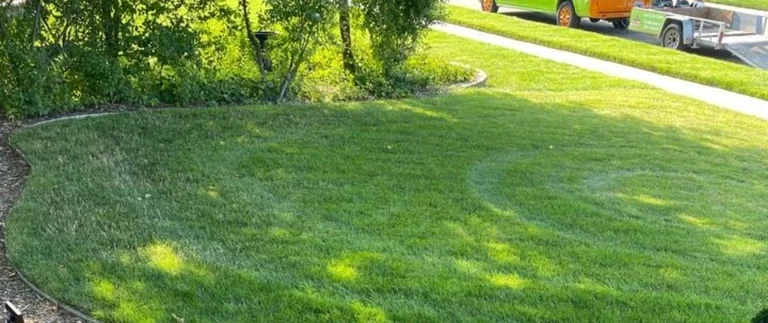
A homeowner may see one mole tunnel and expect one service visit to solve the problem. That expectation makes sense when the visible damage looks concentrated in one small part of the yard.
Tuff Turf Mole Busters does not structure our mole service that way. We currently offer 8-, 15-, and 20-visit programs based on the level of activity at the property. During those visits, technicians return to check traps, look for new tunnels, monitor changes, and adjust the control approach. Details live on the mole control page and the broader animal control offering.
That structure says something important about mole work. The visible tunnel that triggered the phone call is only the starting point. The service is built around what happens after that first inspection.
Mole activity can move around the property
A mole tunnel is evidence of where an animal has been traveling, but the lawn does not stay frozen in that condition after the technician leaves.
New activity may show up elsewhere. A tunnel that looked active during the first appointment may stop being used while another section of the yard changes. Our program accounts for that by inspecting the property repeatedly instead of treating the first set of tunnels as the complete picture.
This is also why homeowners can help by resisting the urge to flatten every new tunnel immediately before a scheduled visit. Fresh activity gives the technician information about where movement is occurring now.
A yard with one isolated area of activity may need a different amount of follow-up from a property where tunnels regularly appear across several sections. The visit count gives us room to match the program to that difference. Related tunnel damage from other animals is covered under vole control when that pattern fits better.
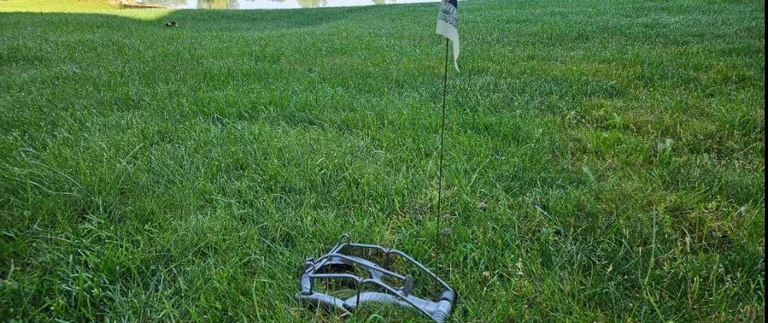
The traps need to be checked, not simply placed
Setting a trap is not the end of the service.
We say each scheduled visit includes checking traps, assessing new activity, and changing the approach as needed. We also use bait and repellents within our broader mole-control process rather than depending on one method alone.
That makes the return schedule part of the work itself.
A trap that is productive in one location may eventually need to be moved. New tunnels may change where the technician concentrates attention. A property can also have sections where the surface evidence becomes quieter while another edge becomes more active.
The homeowner does not need to manage any of that between appointments. The repeated visits are what allow the technician to keep reading the property instead of leaving equipment in one place and hoping the initial placement remains correct.
The longer program does not mean the yard has more visible damage today
It can be tempting to think of the visit options as small, medium, and severe.
The decision can be more practical than that.
We state that our 8-, 15-, and 20-visit options are selected according to the property's mole pressure and control needs. A property with recurring history may justify more monitoring even if today's visible damage does not look dramatic.
The size and layout of the property can matter too. A compact suburban lawn gives the technician a different area to monitor from a larger property with long lawn edges, beds, wooded boundaries, or several separated turf areas.
This is where the initial evaluation matters more than choosing a visit count from a menu before anyone sees the yard.
Mole control and lawn repair are different jobs
Removing current mole activity does not automatically flatten every ridge or restore every section of disturbed turf.
We also offer lawn rolling, fertilization, aeration, and other turf services separately from our mole-control programs.
That distinction matters after a lawn has experienced significant tunneling.
Some areas may settle naturally. Other sections may need minor surface correction. Our own West Michigan content notes that lawn rolling can sometimes help level spring bumps or mole-related surface disturbance, but wet clay should not simply be compacted because the lawn looks uneven.
The technician can therefore deal with the animal activity first and discuss the lawn condition separately.
That is better than asking one treatment to accomplish two unrelated things.
The final visit closes out the active program
We say traps are collected during the final scheduled appointment. There is not a separate trap-removal visit after the selected program ends.
That means homeowners should use the active program window to communicate what they are seeing.
If new tunneling appears between visits, mention the location. If an area that had been active suddenly quiets down, that is useful information too. The technician can compare the homeowner's observations with what is visible during the scheduled inspection.
The program is designed around repeated field information rather than one snapshot.
Choose the program around the property history
A homeowner who has never seen mole activity before may have a different situation from someone who deals with it regularly.
Tell us how long the problem has been happening, which parts of the property are usually affected, and what has already been tried. That history helps us recommend a visit schedule based on the actual property rather than only the tunnel visible on estimate day.
Learn more about us on Who We Are, and browse related posts on the blog. We have specialized in mole control for more than 30 years and now provide lawn care, pest control, animal control, plant health care, and holiday lighting throughout West Michigan.
Contact us at 616-554-9499 for a mole-control estimate.
Need Professional Help?
Our experienced team is ready to help you achieve the lawn of your dreams. Contact us today for a free estimate!