Mole Hills or Vole Runways: Tell the Damage Story Before You Treat
Fresh tunnels appear overnight near the shed while voles leave surface runways in turf that looks like lightning drawn in grass. Homeowners around Cascade, Ada, Byron Center, and the lakeshore often guess wrong about which animal is doing the damage, which sends them down weekends of wrong products and misplaced seed. This guide separates the clues and points to help we actually provide without pretending one pattern fits every lot.
Mole clues below the mower line
Moles make raised ridges and occasional mounds while searching for soil invertebrates. The turf may feel spongy before you see a hole. Damage is mostly mechanical from tunneling, not from eating grass crowns on purpose. Moles are nearly blind and spend most of their life in those voids; the lawn above is collateral, not a buffet laid out for them.
Follow a ridge with your foot when grass is dry. Mole runs often travel in somewhat straight segments between feeding areas. A sudden mound of soil is excavated material, not a nest you can ignore. Multiple fresh ridges after rain mean activity is current, not historical.
Vole clues written on the surface
Voles clip grass low in winding paths and often appear where mulch meets turf or where tall grass sat all winter. If snow just melted, you might see stories at the surface that were hidden for months. Runways look like trampled ribbons rather than raised veins.
Voles use cover. Brush piles, low evergreens, and thick groundcover edges are common starting points. Damage can include girdling on young trees in beds, which moles do not cause. When browsing and surface trails fit better than ridges, scan animal control for options aimed at voles and related visitors.
Why misidentification wastes May weekends
Repellents labeled for one species rarely fix another. Trap types, bait strategies, and even legal considerations differ. Homeowners sometimes treat vole runways like mole hills and wonder why the lawn still looks tortured after a box of granules.
Photos help. Take a wide shot for context and a close shot of a runway or mound with a common object for scale. Note whether the damage returned in the same corner last year. Repeat patterns often point to food sources, mulch habits, or drainage worth fixing alongside trapping.
Timing repair with pressure relief
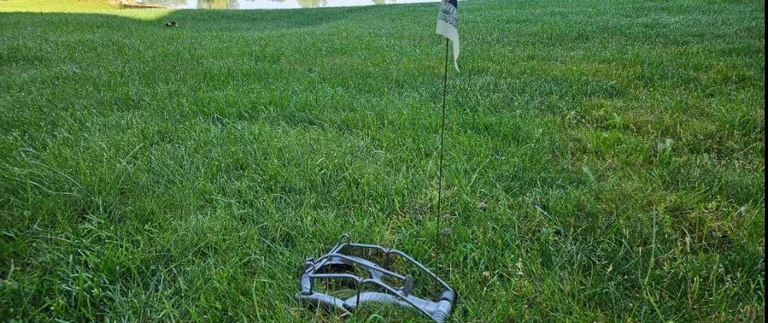
Throwing seed on active tunnels wastes money. Reducing pressure first, then repairing thin strips, matches how we talk about mole control on this site. Cosmetic topdressing before routing stops is how people get a smooth week and a lumpy July.
Memorial traffic collapses soft runs; read Memorial long weekends and yard traffic when damage seemed fine until guests arrived. Guest-week timing is spelled out in May guest week mole and lawn prep.
Lawn program support after animals calm down
Once pressure eases, lawn fertilization and weed control through our lawn care program help thicken turf so the next visitor has less easy cover. Aeration may belong later in summer when compaction from repair equipment or foot traffic is part of the story; see spring service guide for core aeration for planning versus service timing.
Frost-pocket pale strips can sit beside burrowing scars in April. Use April frost pockets and cool season lawns to separate climate lag from mechanical damage before you feed harder into the wrong problem.
Pest edges, grubs, and food sources
Moles follow soil life. Heavy grub populations can attract attention, though moles are not a grub treatment program by themselves. If tan patches peel after warm spells, skim late spring grub window yard watch for root-feeder cues separate from tunnels.
Perimeter insects still matter along foundations when turf is thin. Browse pest control when spiders or earwigs crossed thresholds last year. Evening mosquito pressure is a different conversation; May skeeter dusk and backyard rhythm covers patio timing without mixing species.
Correct identification saves weekends. Match the animal first, then choose repair and lawn steps that belong in the same month. Contact us when you want burrowing work and lawn visits on one roadmap, confirm drive time on service areas, and browse all services when several departments should coordinate.
Mulch, snow mold, and winter stories written in spring
Deep mulch against siding is vole-friendly cover. Pull it back a few inches when weather allows and you reduce runway starts without a product lecture. Snow that lingered into March preserved surface trails you could not see in January. Compare bed edges and wood lines first; open lawn damage often connects back to those interfaces.
Moles do not hibernate in the cartoon sense. Activity pauses in deep cold and resumes with thaw. A warm March can make it feel like moles appeared overnight when soil became workable again. Timing matters for trapping success; our team sets expectations for active periods rather than promising instant disappearance.
Repair products and seed timing after the right animal
Repellents and sonic stakes have mixed results on moles when food is abundant. Trapping and routing work tied to site conditions is the service we stand behind. For voles, habitat change plus targeted control beats sprinkling granules on runways and hoping.
After pressure drops, slice-seeding or overseeding may fit thin strips. Match species to sun and use realistic blend expectations on West Michigan lots. Fertilization without addressing compaction or active animals still produces a thin green veil that fails in August.
Grand Rapids clay, sand pockets, and why runs show differently
Clay holds tunnel shape longer after rain; sandy pockets collapse and can look healed until the next warm night. The animal did not leave; the soil changed how damage displays. Mention soil type when you call so expectations match what we see on similar lots in Kent and Ottawa counties.
Utility trenches and old stump grindings create soft zones moles use like highways. If damage tracks a straight line toward a former tree, say so. Habitat and history matter as much as the mound in the middle of the yard.
When to call before the weekend project pile grows
If damage is active and you have an event in ten days, say so on the first message. We can often prioritize burrowing work when calendars allow, but smoothing soil without routing is still a temporary fix. Honest timing beats a hero weekend followed by the same ridges after rain.
Need Professional Help?
Our experienced team is ready to help you achieve the lawn of your dreams. Contact us today for a free estimate!