May Michigan Grub Activity and Thin Spots That Looked Healthy in April
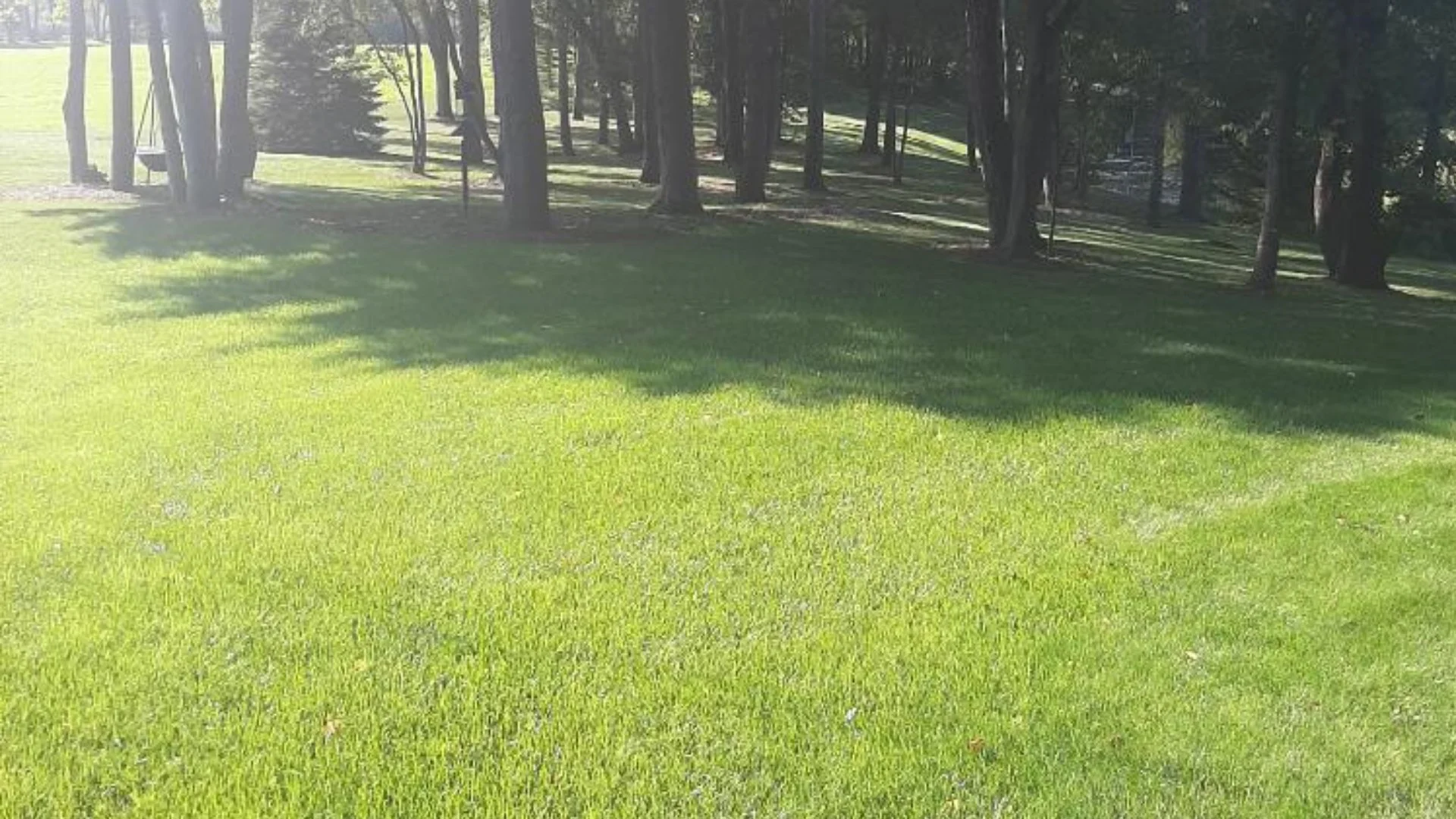
April photos still show a lawn you were proud to mow. By mid May around Grand Rapids, Holland, and Rockford, the same lot can show irregular tan patches, spongy strips under a heel, and wheel ruts that did not used to print. Cool season turf often shows stress in May for reasons that were building since April.
Thin spots that looked healthy until the warm week
Pale bands in low corners can still be frost pocket lag from April while sunny strips green fast. Compare trouble only to similar sun and slope on your lot, the same habit we use in April frost pockets and cool season lawns. A north face beside the garage may look thin beside a front yard that jumped two shades of green in ten days. That contrast is normal on Michigan lots with woods, lakes, and tall fences.
Traffic tells a parallel story. paths to the gate, hose drags, and the first real mower passes of the season compress soil quietly. Fine bent-heavy areas show wear before coarser grass nearby; read bent grass patches and traffic thinning in late April if your blend is mixed. Memorial season foot traffic can make damage look sudden when guests cross the same diagonal the mower already stressed. Our piece on Memorial long weekends, yard traffic, and moles explains why chair legs and cookout paths reveal weak zones that were never about a single bad product pass.
Grub activity without turning every brown patch into panic
White grubs feed on roots while the grass above can still look acceptable until heat or traffic exposes the damage. Irregular tan patches that peel like carpet, spongy strips under a heel, or more birds hunting than usual can sit in the same corner of the yard. They are clues, not proof by themselves. The detailed watch list lives in late spring grub window yard watch; this article is the May narrative when April optimism meets mid month evidence.
Gently tug turf at the edge of a suspect patch when grass is dry enough to walk without leaving deep prints. If sod lifts with little resistance and you find C-shaped larvae in the root zone, you have evidence worth photographing. If roots hold firm and soil is dry two inches down, you may be looking at drought stress, compaction, or mowing height stress instead. Neighborhood chat moves faster than biology. One street over may warm sandy soil a week before your clay pocket; compare your damage to your own sunny reference strip, not to a photo from a warmer microclimate three blocks away.
Adult beetles near porch lights in June are not a diagnosis by themselves. Many species never damage turf as larvae on your lot. Likewise, birds on the lawn can mean abundant soil life without confirming a treatable grub outbreak. Use birds as one clue among several, paired with turf that lifts easily and larvae visible in the thatch layer.
Water habits that change how grubs and traffic read
Spring rain still carries many weeks around Byron Center and the lakeshore. Before you run irrigation like August, read when to start watering your lawn again in West Michigan. Short daily spritzes keep roots shallow and make grub-related weakness harder to spot until it is obvious. Uniform sprinklers across a lot with three microclimates usually waste water and stress grass.
Footprints that stay visible on turf that looks tired often mean soil moisture or compaction, not automatically insects. Pair watering checks with mowing rhythm before you buy curative products meant for a different story. When several problems compete for the same weekend, May guest week mole and lawn prep lines up burrowing checks, mowing, and realistic repair timing so parties do not undo spring progress.
Moles, spongy turf, and misidentification
Fresh ridges near patios can feel spongy underfoot while grubs weaken roots elsewhere. Burrowing damage is mechanical; root feeders are biological. Compare surface patterns in mole hills or vole runways before you topdress on active runs or treat insects when mammals are the story. Spreading soil on active tunnels buys a smooth afternoon and a bumpy July.
Heavy grub populations can attract mole attention, though moles are not a grub treatment program by themselves. Honest identification paired with routing work comes before wide seeding on spongy turf without addressing pressure.
Where professional programs fit the calendar
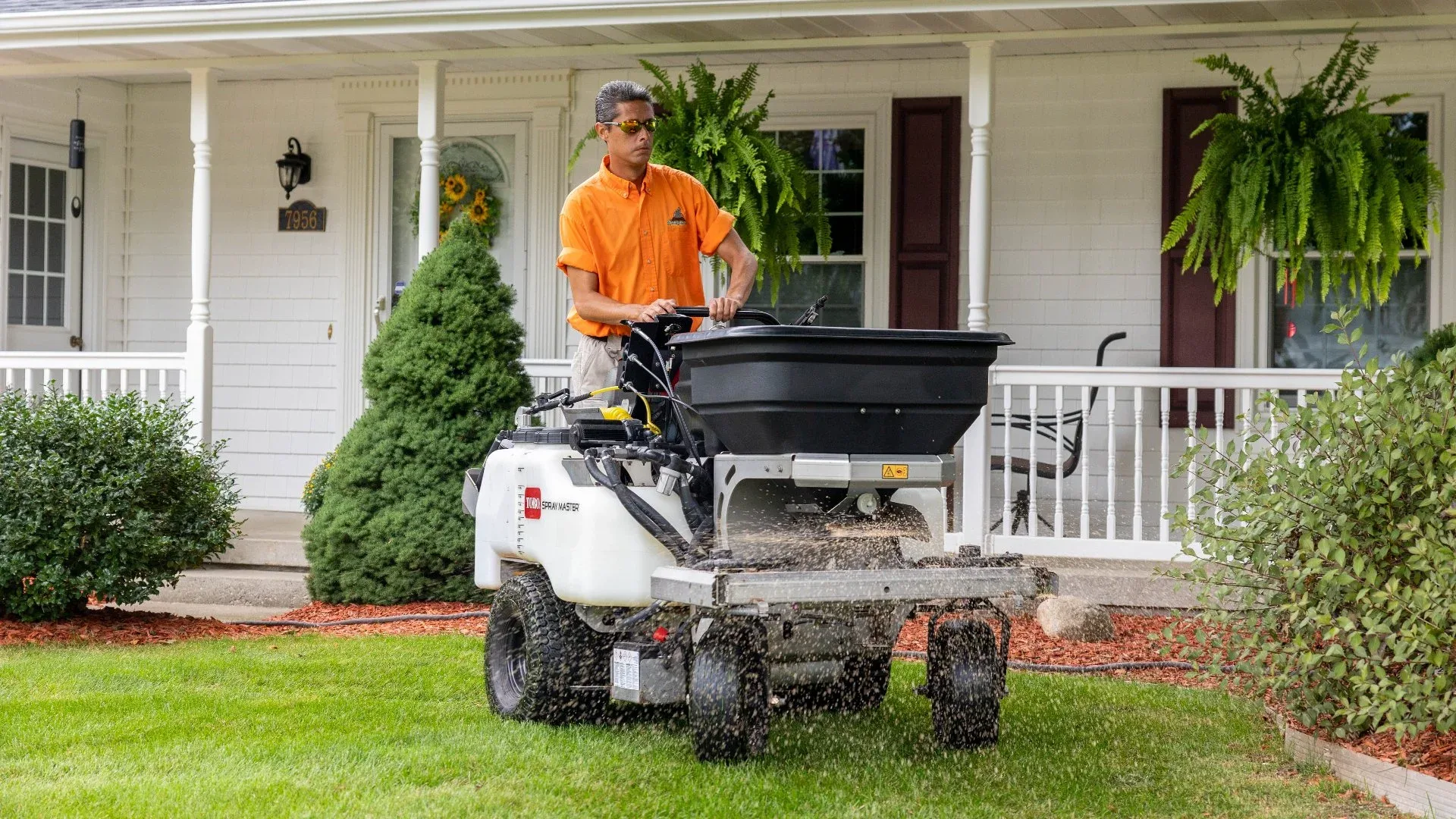
Our lawn care visits layer lawn fertilization with weed control on schedules tuned to West Michigan. Preventive grub management, when appropriate for your site, belongs in that conversation rather than as a random bag from the hardware aisle. Weeds fill gaps faster than grass when roots are weak; nutrition and weed timing still matter alongside any insect conversation.
Crabgrass timing is a different calendar. Do not let grub worry push you into early-season mistakes on pre-emergent thinking. When in doubt, ask on the first visit and bring last year's trouble zones in photos. Summer core aeration planning belongs when compaction from events and equipment is part of the pattern, not as an emergency scrape before guests arrive.
Evening pests belong in a separate lane; browse mosquito control under pest control when patios fill after sunset without mixing species stories on one panicked Saturday.
Photos and notes that shorten the first visit
Wide shots of the yard plus close images of patch edges save guesswork. Mark sunny versus shady zones on a rough sketch, note where the dog turns, and mention whether damage appeared after a warm spell or after heavy foot traffic. Bring that packet when you contact us for a free estimate. Confirm drive time from service areas and browse the full menu on services when lawn, pest, and animal work should coordinate instead of scattering across three guesses.
After guests leave: recovery without overcorrection
Wait for grass to stand back up before you diagnose damage. A day of compression can look worse than it is. If ridges reopened, note locations before you rake smooth. When pressure is gone, program feeding and weed control help color return without forcing growth with soluble feeds that invite disease on cool nights.
Flag areas for aeration talk in summer rather than punching plugs while soil is still wet from party week. Rolling wet clay causes more harm than good; your technician can say whether rolling fits your site after guests leave.
Mid May rewards patience on West Michigan turf. Separate frost lag, traffic, water, burrowing, and root feeders on paper even when they overlap outside. Keep mowing height steady, water with evidence, and line up professional visits with patterns that repeat in the same sun zone. A calm May prevents a reactive July on the same strips that looked fine in April.
Need Professional Help?
Our experienced team is ready to help you achieve the lawn of your dreams. Contact us today for a free estimate!