Kentwood Raccoon Digs Are Not Grub Proof by Themselves
Raccoons tear sod. Grubs still need a count.
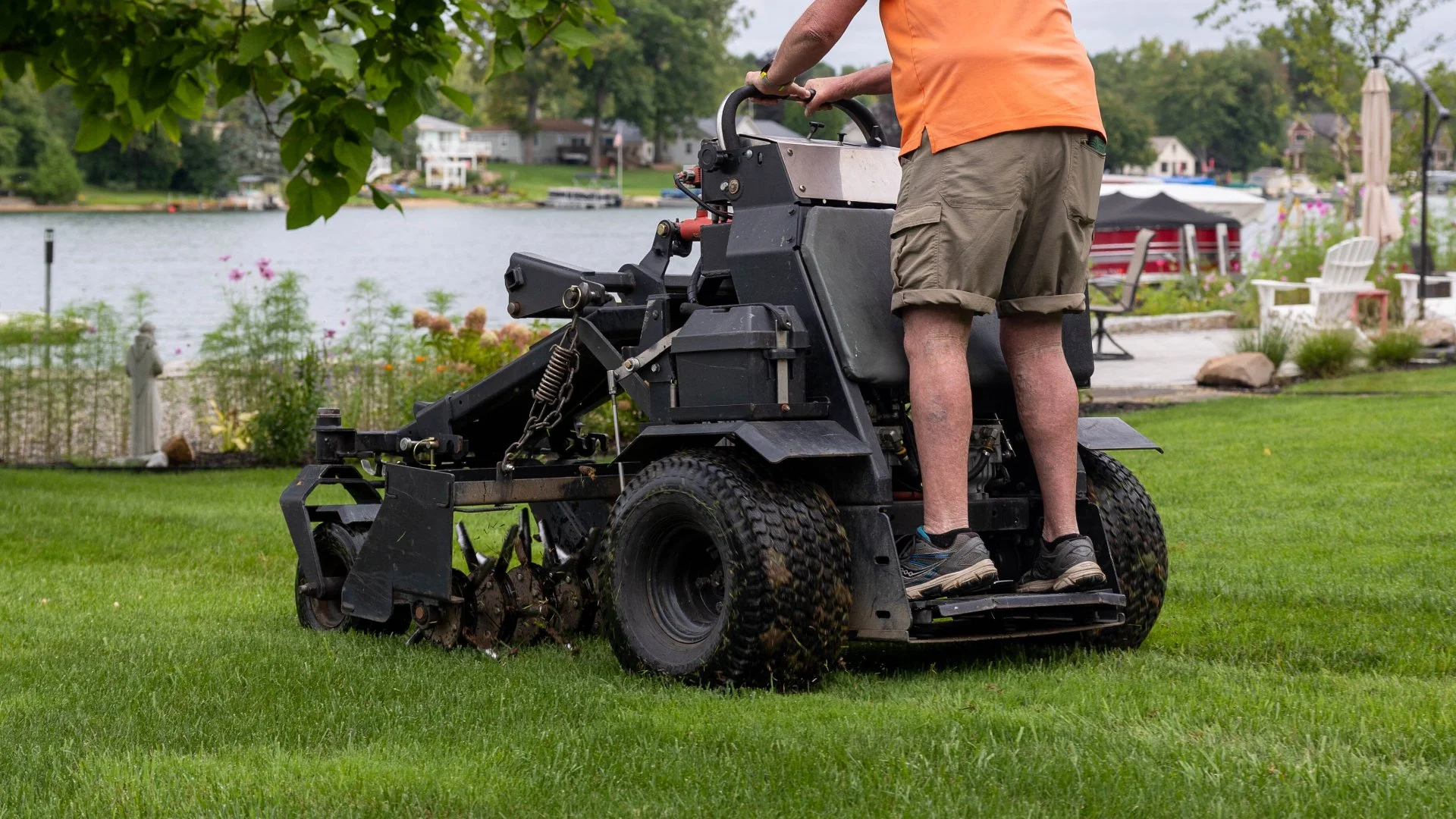
A Kentwood lawn torn after a rain looks like grub damage from the porch. Raccoons hunt worms in soft soil. They also hunt grubs when larvae are actually there. Tuff Turf Molebusters lifts a square at the edge of the flipped sod before anyone treats. No larvae, no grub chemistry. Treating because wildlife made a mess is how you buy a product for a food source that was earthworms.
Holland lake lots and Grand Rapids subdivisions share wet nights. They do not share your root zone. Photograph the torn area, whether it lifts like a carpet, and whether the rest of the stand still sits tight.
Shape of the damage is the first split
Punched holes and flipped chunks often read as raccoon or skunk. A wider carpet that peels is more of an insect-feeding pattern, and even then we still want larvae in hand. Irrigation that left the strip spongy invites digging. A dry, tight lawn that suddenly peels is a different file.
If moles are also ridging the same week, that is a third job. Mole runs after freeze-thaw are not automatic grub proof either. We will not merge wildlife, moles, and insects into one tank because the yard looks busy.
Repair is not treatment
Dead turf still needs repair if the stand is gone. Chemistry does not invent grass. Pets and kids on the torn strip need a note for reentry if we do treat. Contact us with town, a photo of the digs, and whether the sod lifts. More notes are on the blog.
Closeout names the count
Larvae found or not, square location, and whether raccoons are still working the strip. Next wet week we compare that file instead of repeating a porch grub label.
Need Professional Help?
Our experienced team is ready to help you achieve the lawn of your dreams. Contact us today for a free estimate!