Why Bare Spots Show Up After Winter (And When to Fix Them)
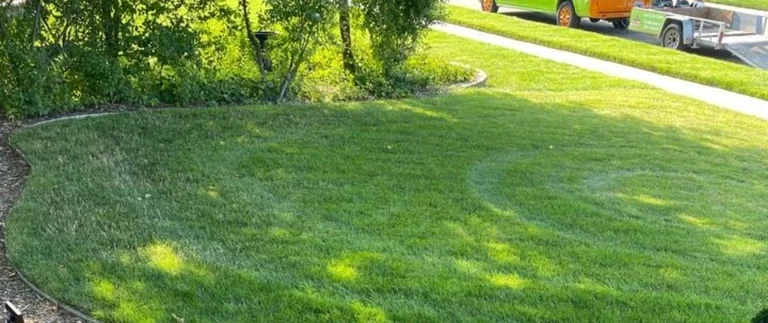
Once the snow is gone in Grand Rapids, Holland, and the rest of West Michigan, it is normal to see a few bare or thin spots in the lawn. Sometimes they are small; sometimes they form larger patches. The good news is that most of the time they can be fixed. The trick is knowing what caused them and when to act.
What Causes Bare Spots After Winter
Several things can leave your lawn looking patchy once the ground is visible again:
- Salt and plow damage. Road salt and shoveled snow piled on the grass can burn the turf or compact it. Edges along driveways and walkways are often hit the hardest.
- Winter traffic. Walking or playing on frozen or wet grass can wear thin spots, especially in the same path every day.
- Snow mold and other cold weather issues. In wet, cold conditions, grass can develop gray or pink snow mold. When the snow melts, you see circular or irregular dead or matted patches.
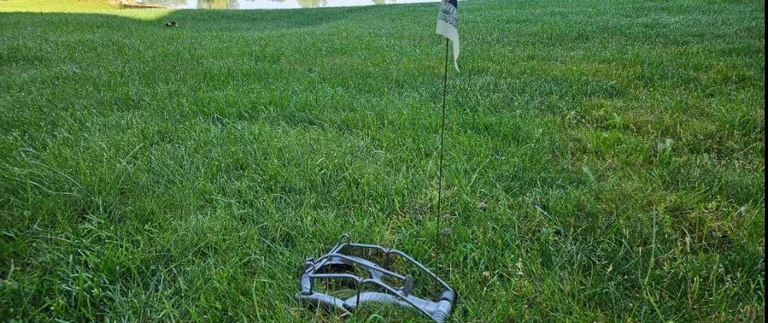
- Animals. Moles, voles, and other critters can tunnel or feed under the snow and leave trails or bare areas once the cover is gone. If you see this kind of damage, animal control can help get the problem under control before you repair the lawn.
- Existing weak spots. Thin or stressed grass from last season often shows up as bare spots first thing in spring.
When to Fix Bare Spots
Timing matters. You want the ground workable and the weather mild enough for seed to germinate or sod to root. In West Michigan, that usually means:
- Early to mid spring once the soil is no longer frozen and daytime temperatures are consistently in the 50s. This gives new grass time to establish before summer heat.
- Early fall is another strong window. Cool nights and warm days and fewer weeds make it easier for new grass to take hold.
Fixing bare spots too early, when the soil is still cold or wet, can lead to poor germination or rot. Waiting until the soil is ready and you can keep the area lightly moist will give you a much better result.
How to Repair the Spots
For small areas, loosening the soil with a rake, adding a bit of topsoil if needed, and spreading grass seed that matches your lawn works well. Keep the spot moist until the new grass is up and growing. For larger areas or faster results, sod is an option. Either way, avoid heavy foot traffic until the new grass has rooted.
Preventing Bare Spots Next Winter
- Avoid piling snow on the lawn when you shovel or plow.
- Use less salt near the grass, or use alternatives along walkways where you can.
- Keep the lawn healthy going into fall with good mowing and feeding so it is stronger going into winter.
A healthy, thick lawn is your best defense. Regular lawn care, including fertilization and weed control, helps the grass recover from winter stress and outcompete weeds in the thin spots. If you are not sure whether to seed now or wait, or you want help with a full lawn program, contact us for a free estimate and we can walk you through the best plan for your yard.
Need Professional Help?
Our experienced team is ready to help you achieve the lawn of your dreams. Contact us today for a free estimate!