Why Your Lawn Gets Bumpy After Winter and How to Smooth It Again
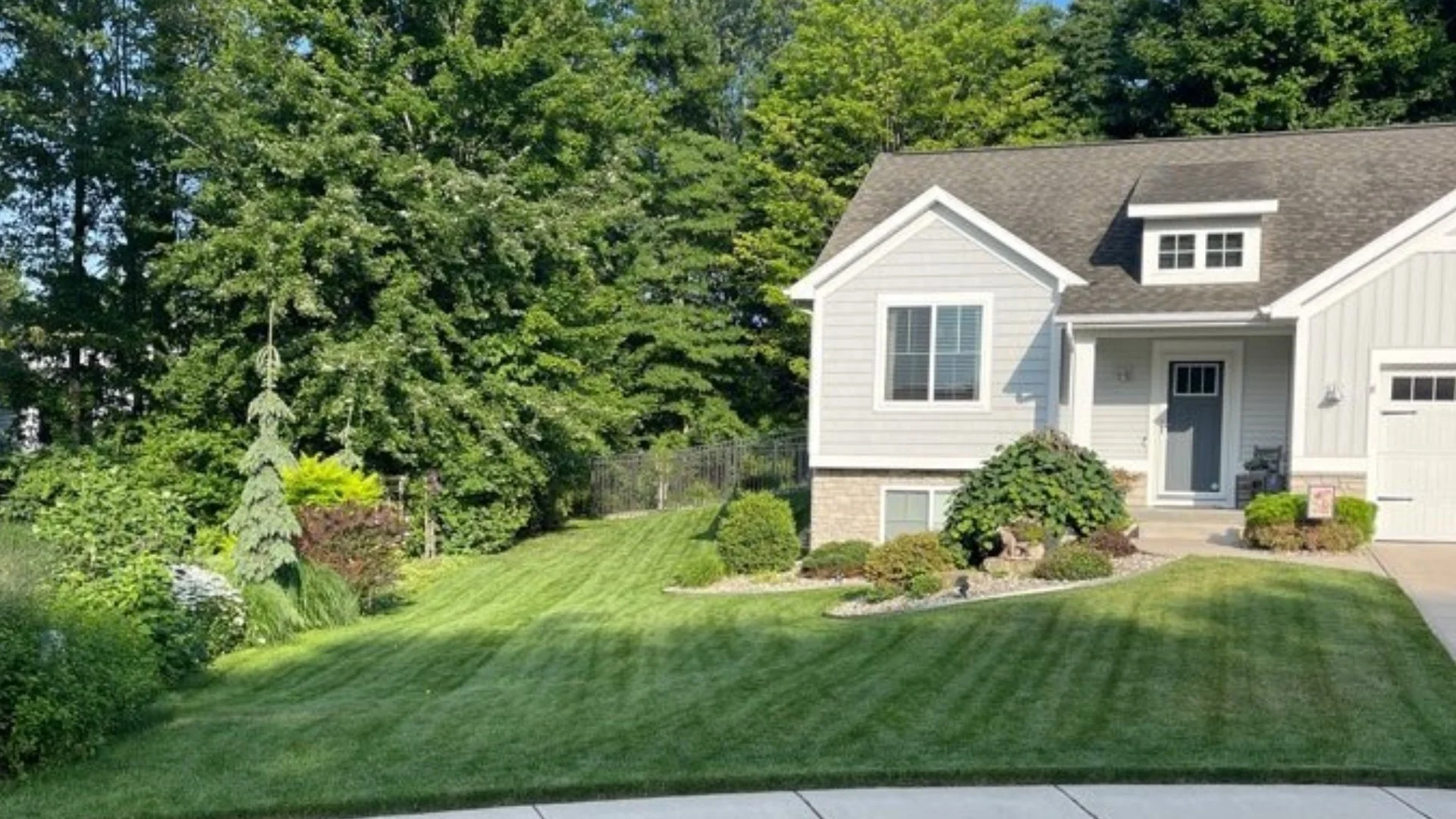
Walk across your yard in Grand Rapids or Holland once the snow is gone and you might feel it: lumps, ridges, and soft spots that were not there last fall. That bumpy surface is common in West Michigan, and it has a lot to do with how cold weather affects the ground. The good news is you can smooth things out if you know what is going on and when to act.
What Makes the Lawn Bumpy
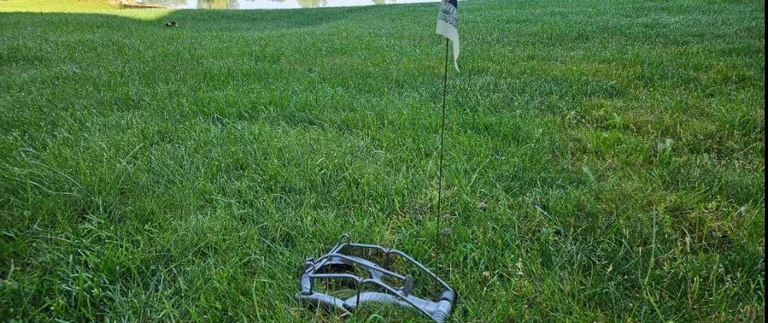
When the ground freezes and thaws over and over, the soil can shift. Water in the soil expands as it freezes and pushes soil and grass upward. When it thaws, the ground does not always settle back flat. After a long winter, that can leave your lawn with raised patches, small mounds, or uneven areas. In some yards you also see damage from moles: tunnels and ridges that collapse or get walked on and create more bumps. If you are dealing with both frost and animal damage, getting animal control under control first helps so new smoothing work is not undone by more tunneling.
When the Ground Is Ready to Smooth
Timing matters. You want the soil dry enough to work on without making ruts or compacting it. In our area, that usually means April or early May, after the frost is out and the lawn has started to grow. Rolling or working the ground when it is too wet can make compaction worse and hurt the grass. Wait until the soil is no longer soggy and you can walk on the lawn without leaving deep footprints.
Using a Roller to Smooth the Surface
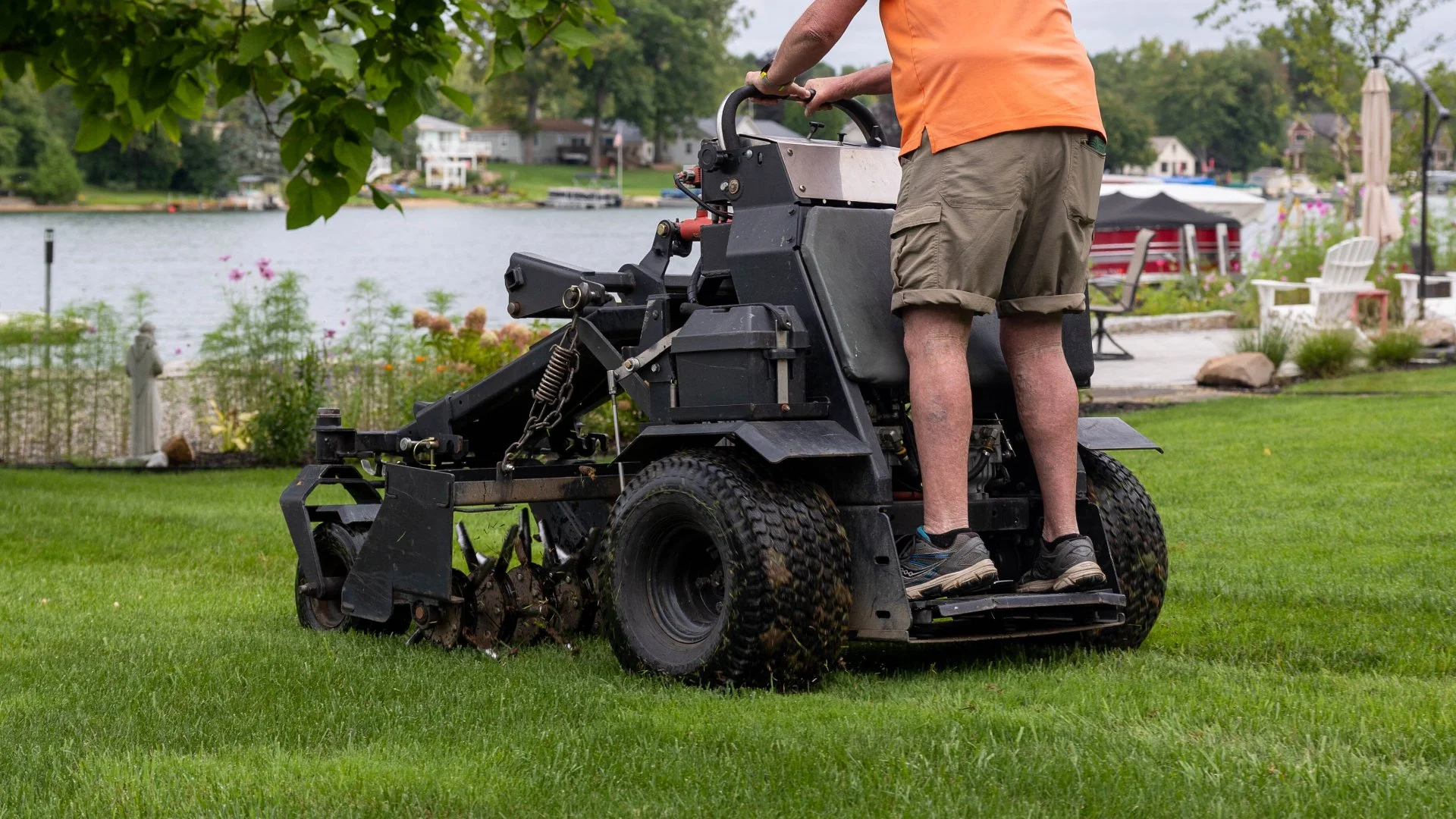
Rolling presses down raised areas so the lawn looks and feels flatter. A heavy roller (for example one that weighs around 3,000 pounds) can level frost heave and soften the look of minor mole damage. Not every bumpy lawn needs rolling, but when the surface is uneven enough to affect mowing or how the yard looks, it can help. Because rolling can compact the soil, many homeowners in Rockford, Ada, and Byron Center follow rolling with core aeration later in the season so the ground stays loose and the roots get air and water. You can ask your lawn care provider about professional lawn rolling in April or May and plan aeration for summer or fall.
What to Do After You Smooth the Lawn
- Keep mowing at a good height so the grass stays strong and shades the soil.
- If you rolled, consider scheduling core aeration when your lawn is actively growing to relieve any compaction.
- Fill any low spots or bare areas with soil and seed when the weather is right so the surface stays even.
When Bumps Are From Animals
If moles or voles have been active, you will often see trails, ridges, or collapsed tunnels in addition to frost heave. Smoothing the surface helps the look, but if the animals are still there, the problem will come back. Getting mole or vole control in place first, then rolling or leveling, gives you a better result. Many customers in Caledonia and Cascade do both: take care of the critters, then fix the ground.
Keeping the Lawn Smooth Long Term
A healthy lawn holds up better to frost and traffic. Regular feeding and weed control through a lawn care program help the grass stay thick and resilient. So does aeration when the soil is compacted. If your yard is bumpy every spring, think about adding rolling and aeration to your routine so the surface stays more even year after year.
If you are not sure whether to roll, aerate, or both, contact us for a free estimate. We can look at your property in Grand Rapids or the surrounding area and recommend the right steps and timing for your yard.
Need Professional Help?
Our experienced team is ready to help you achieve the lawn of your dreams. Contact us today for a free estimate!