Vacation week lawn handoff when grub patches and watering overlap on clay
Travel weeks around Grand Rapids, Holland, and Rockford often arrive just as sustained warmth exposes turf problems spring rain hid. The lawn still photographs green from the curb while irregular tan patches, spongy gate strips, and shallow irrigation habits sit below the surface. Leaving for a week without a handoff plan can turn a manageable grub cue or water rhythm issue into a rescue story when you return to wheel ruts, wilted corners, and neighbors who watered every day because the grass looked tired at dusk.
What changes on clay when you are away for several days
Heavy glacial clay holds moisture then dries into a hard cap on the surface while subsurface layers stay soft in low corners. Automatic clocks written for spring often run too often once nights stay mild, which keeps roots shallow and makes heat stress look like insect injury when you get home. Read sustained heat and irrigation honesty on clay lots before you ask a neighbor to run sprinklers on a fixed schedule while you travel.
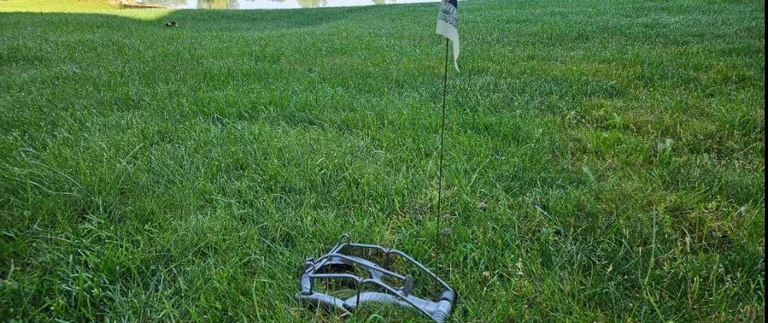
One deep soak when soil asks beats daily spritzes that wet foliage and invite disease on humid nights. Mark zones on a sketch: sunny front, north garage face, back wood line, and pavement edges that bake. A handoff note with photos of each zone saves guesswork better than a single timer setting for the whole address.
Grub patches that looked fine until heat and traffic returned
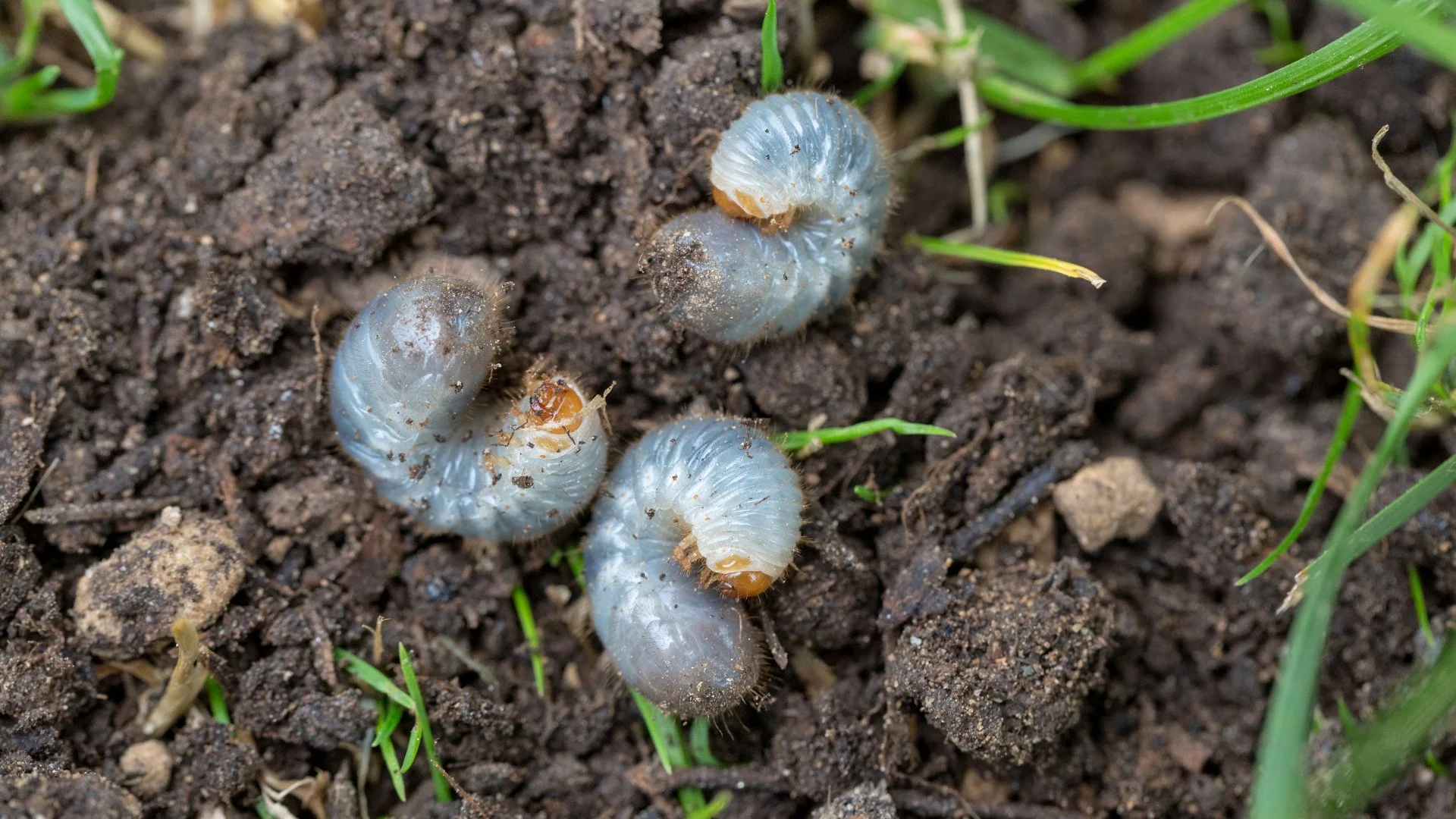
White grubs feed on roots while grass above can still look acceptable until warmth or foot traffic exposes the damage. Irregular tan patches that peel like carpet, spongy strips under a heel, or turf that lifts with little resistance are evidence worth photographing before you leave, not proof by themselves. The watch list lives in late spring grub window yard watch. This piece assumes you already skimmed that guide and now need a travel week plan when the same corners worry you after sustained heat.
Compare new trouble only to similar sun and slope on your lot, the same habit we use in April frost pockets and cool season lawns. Do not overseed on active grub weakness without addressing root feeders first. Our grub control and wider lawn insect control pages explain how preventive and curative timing fit West Michigan calendars when evidence supports treatment.
Separating burrowing damage from root feeders before you leave
Fresh mole ridges near patios can feel spongy underfoot while grubs weaken roots elsewhere. Burrowing damage is mechanical. Root feeders are biological. Compare surface patterns in mole hills or vole runways before a neighbor topsoil active runs while you are away. Pair honest identification with mole control under animal control when tunnels reopen on the same strip every week.
Spreading soil on movement buys a smooth departure photo and a bumpy return. When several species could be involved, say so in handoff notes so nobody fills tunnels on a weekend you planned to treat insects.
Mowing height and traffic lanes neighbors should not fix alone
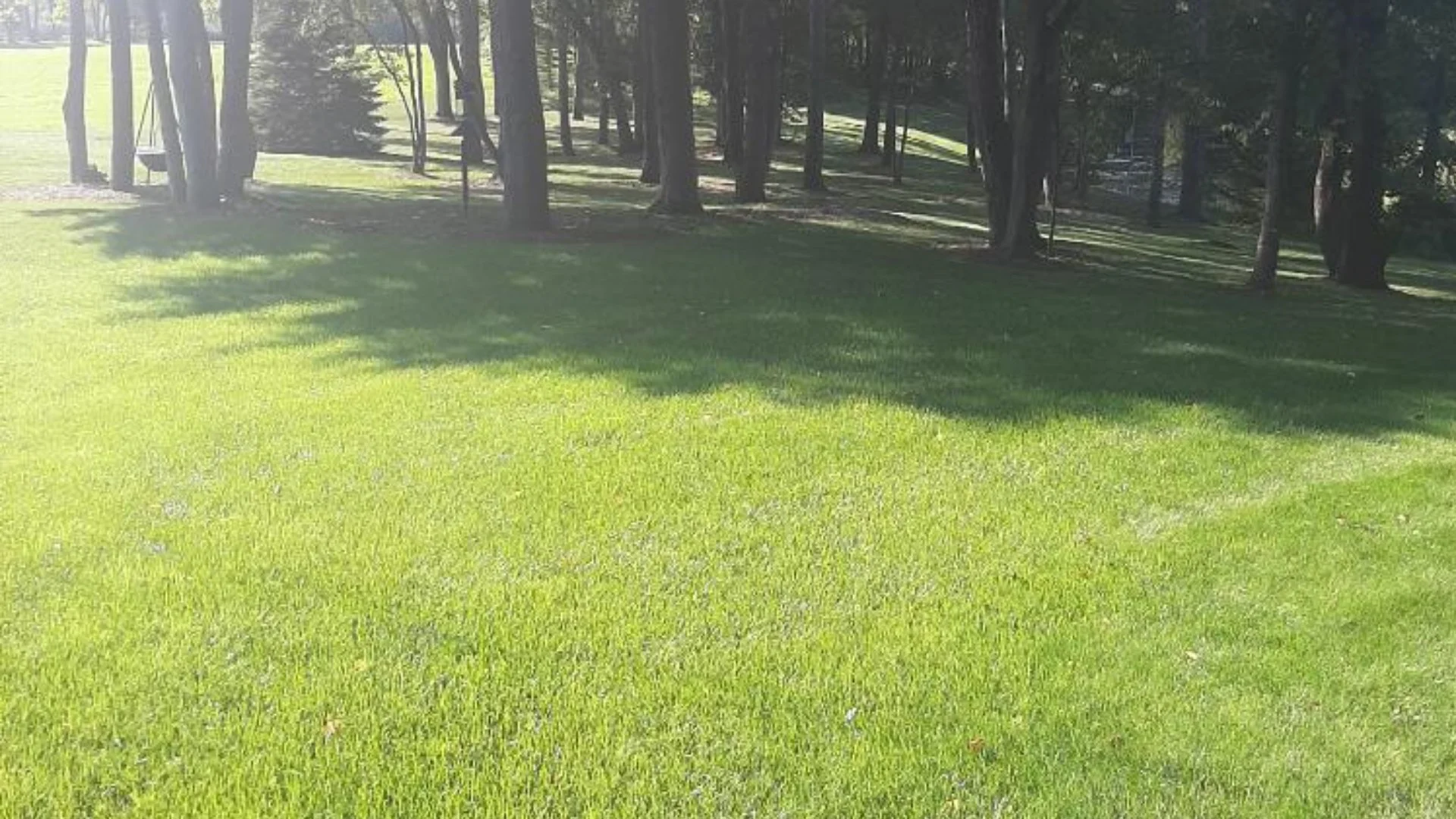
Ask whoever mows while you travel to keep height steady instead of scalping to impress a real estate showing photo. Cool season turf around Cascade and Ada rewards cuts that remove only the top third of the blade. Read summer mowing rhythm on mixed turf when growth doubled after warm spells and the calendar still wants weekly stripes.
Gate paths and hose corners compress quietly. Flag those zones on your sketch so neighbors do not park trailers on the same strip irrigation keeps wet. When school break traffic already stacks on turf, school wind down and outdoor calendar pests explains how lawn, pest, and animal visits compete for the same evenings you hoped to enjoy before travel.
Programs that stay on rhythm while you are gone
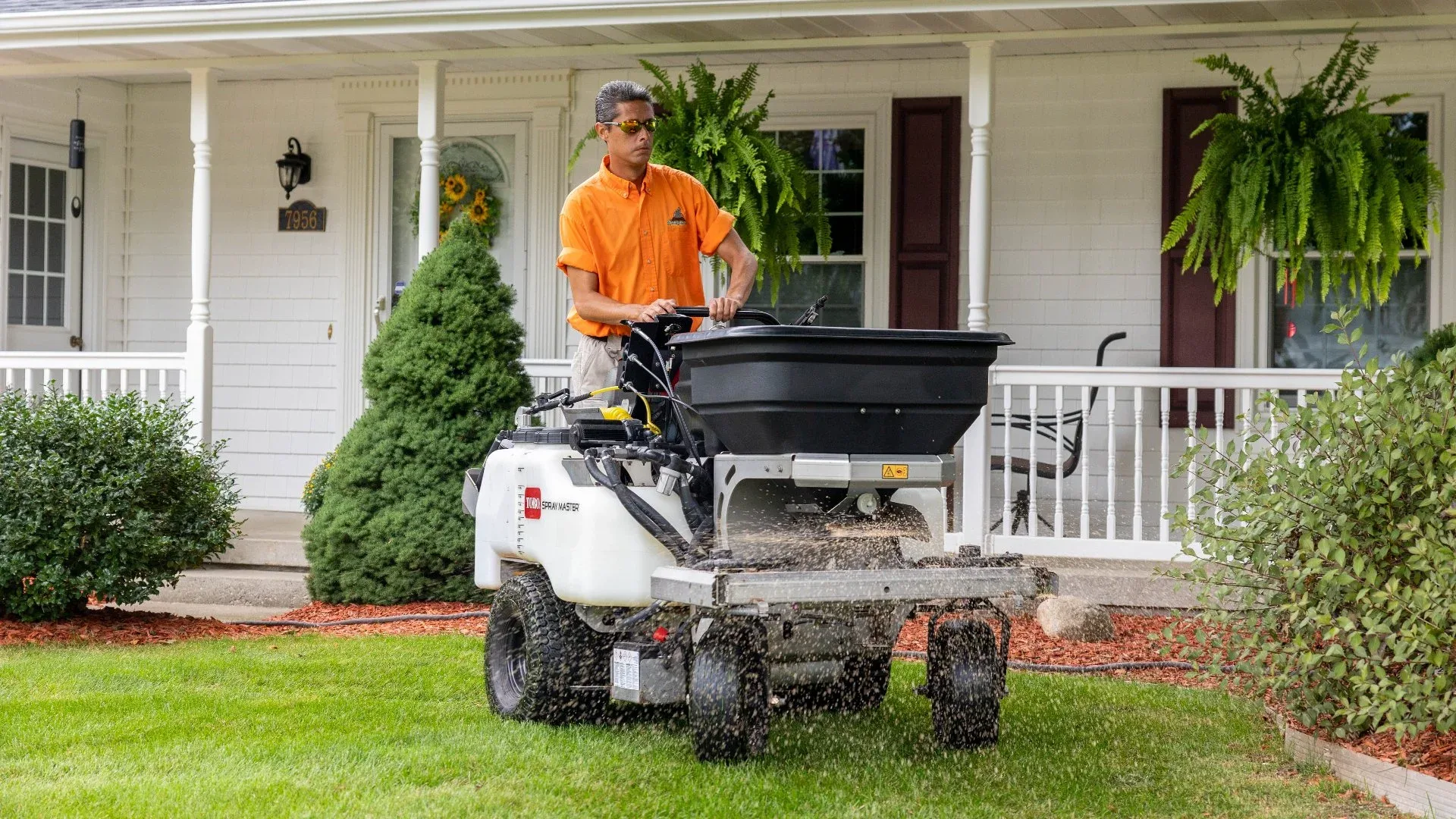
Structured lawn care with lawn fertilization and weed control can continue on schedule when you tell us travel dates on the first call. Weeds fill gaps faster than grass when roots are weak. Nutrition and weed timing still matter alongside any insect conversation when you return.
Evening pests belong in a separate lane. Browse mosquito control under pest control when patios still matter to whoever stays home. Read skeeter dusk and backyard rhythm for habits that support professional treatment without turning the yard into a chemistry experiment while you travel.
Photos and handoff notes that shorten the first visit after return
Wide shots plus close images of patch edges, ridge lines, and thin gate paths belong in the folder you leave with a neighbor or sitter. Note sunny versus shady zones, dog turns, and whether damage appeared after a warm spell or heavy traffic. Bring that packet when you contact us for a free estimate before or after travel. Confirm drive time on service areas and browse services when lawn, pest, and animal work should share one roadmap instead of three reactive weekends when you unpack.
When several problems shout at once, use yard symptom priority quiz as a conversation starter. For local clay context, skim Hudsonville lawn, pest, and animal guide for clay soil lots when your lot behaves like heavy soil even if the address is not Hudsonville.
What to leave with whoever watches the property
Write zone notes in plain language: which corners stay wet on clay, which gate paths already lift easily, and whether mole ridges reopened after the last rain. Ask sitters not to run sprinklers on a fixed daily schedule unless soil two inches down is dry. A photo folder on a shared drive beats verbal instructions that change every evening.
Flag cookout or showing dates so scheduled core aeration and perimeter visits do not land the same day you need the yard clear. When travel overlaps with school break traffic at home, the outdoor calendar in school wind down and outdoor calendar pests still applies to whoever stays behind.
After you return: read the lawn before you react
Wait one dry day after travel before you diagnose permanent damage. Compression and shallow watering can look worse than they are. Walk the same sketch zones you photographed before departure and note what changed versus what merely looks tired at dusk. If patch edges still lift with little resistance, bring those photos back when you contact us so curative timing fits evidence instead of calendar fear.
Weeds in thin lanes often filled gaps while you were away. Program weed control on rhythm with feeding so you are not digging the same gate line twice after a single rescue weekend. Structure beats urgency once patios, travel, and turf all compete for the same afternoon.
Vacation weeks on West Michigan clay reward honest handoffs: zone sketches, steady mowing height, burrowing identification before topsoil, and grub evidence photographed before you leave. A calm plan prevents the rescue pass on the same lawn that looked ready for guests while roots sat in saturated clay or lifted easily over active feeders below.
Need Professional Help?
Our experienced team is ready to help you achieve the lawn of your dreams. Contact us today for a free estimate!