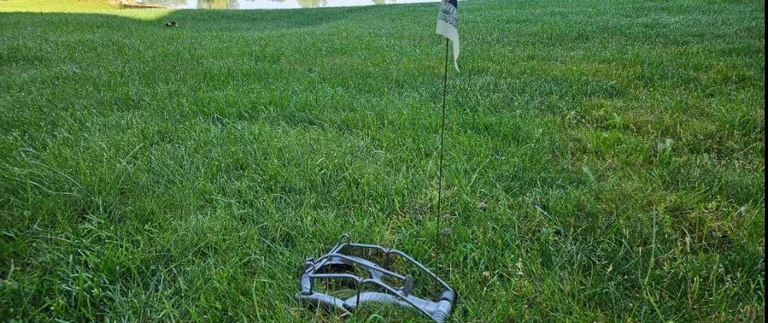
Vole Damage in West Michigan: What to Do After the Snow Melts
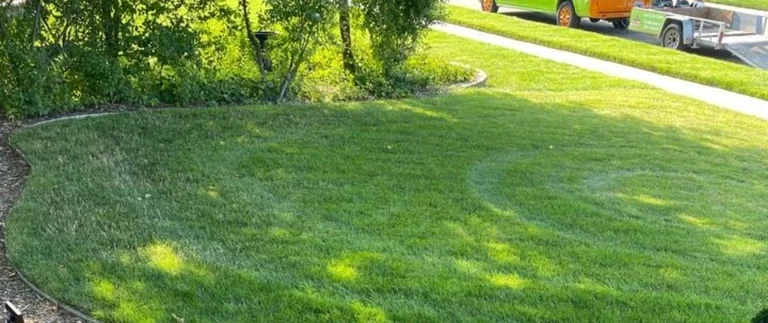
The first warm days after a West Michigan winter can reveal a lawn that looked fine under snow cover. Then the melt comes and suddenly you see it: narrow surface runways crisscrossing the turf, chewed bark at the base of shrubs, and dead grass in winding paths through the backyard. That is classic vole damage, and it shows up every spring around Byron Center, Caledonia, Grand Rapids, and other communities where snow gave meadow mice protected cover all winter.
Voles are small rodents, not moles. They travel on the surface and under snow, feeding on grass, roots, and bark. Left alone, they can girdle young trees and thin large sections of lawn in weeks. Tuff Turf Molebusters provides vole control and full animal control for homeowners who want damage stopped before spring growth exposes how much bark was lost.
How to recognize vole damage
Vole runways look like tiny roads through the grass. They are about one to two inches wide, run along the surface or just beneath it, and often connect burrow openings near mulch, stone walls, or heavy thatch. Unlike mole hills, voles leave clipped grass and clean paths rather than mounds of pushed-up soil.
On shrubs and young trees, look for tooth marks and stripped bark near the base, especially on apples, crabapples, burning bush, and arborvitae. When voles girdle the trunk completely, the plant may leaf out briefly and then collapse. Catching that damage early in Holland, Ada, or Rockford saves plants that a late rescue pass cannot.
Voles versus moles: quick comparison
- Voles: Surface runways, gnawed bark, small burrow holes, no large soil mounds
- Moles: Raised ridges and mounds, tunnels below turf, no bark chewing at shrub bases
- Both: Can damage lawn appearance; need different control approaches
Why winter makes vole problems worse
Snow cover insulates voles from predators and cold while they feed freely at the surface beneath it. Long winters with consistent snow, common in West Michigan, give voles months of protected runway building. When the melt arrives, the full network becomes visible at once, which makes the damage feel sudden even though it built all season.
Heavy mulch piled against trunks, tall grass near wood lines, and thick thatch all give voles places to hide. Properties beside fields, ditches, and wooded lots see more pressure because voles move in from adjacent habitat.
Steps to take when you find runways
Start with a site check and photos before you rake or mow everything flat. Mark areas with bark damage on shrubs and note runway density on the lawn. Light surface scarring on turf often fills in with spring growth. Girdled trunks need prompt attention from a plant health care perspective, whether that means protective wrap, pruning, or replacement on severe cases.
Habitat cleanup helps long-term. Pull mulch away from tree bases, mow tall edges near wood lines, and reduce heavy thatch where practical. These steps support professional control rather than replacing it.
Professional vole control
Our vole programs use tamper-resistant bait stations placed along active runways and harborage zones. Stations protect pets and non-target wildlife while targeting vole activity where it concentrates. Technicians monitor stations through the spring thaw and adjust placement as runways shift.
Vole work pairs naturally with perimeter pest control when rodents are part of a broader exterior pressure story, but vole control targets meadow mice specifically, not perimeter pests or mosquitoes. Browse our full pest control menu if several exterior issues need sorting on one calendar.
Helping plants and lawn recover
After control reduces pressure, lawn areas with clipped runways often green up with regular lawn care and spring moisture. Bare strips may need overseeding once soil warms. For woody plants, plant health fertilization and disease management support recovery on trees and shrubs that lost bark but still have living tissue above the damage line.
Vole damage after winter is common in West Michigan, but it does not have to define your spring landscape. Identify the runways, protect your trees, line up control, and repair turf once pressure eases. Contact us for a free estimate and a visit to your Byron Center or Caledonia property.
Need Professional Help?
Our experienced team is ready to help you achieve the lawn of your dreams. Contact us today for a free estimate!