
Understanding Eastern Moles and Protecting Your West Michigan Lawn
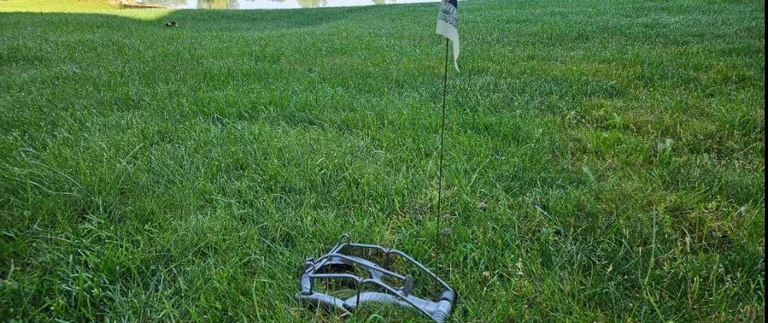
Walk across a Grand Rapids or Ada lawn in late winter and you might not see a mole, but the evidence is often already there. Eastern moles work underground year-round in West Michigan, pushing up ridges and mounds when they hunt earthworms and soil insects. They are not rodents and they are not eating your grass roots, but their tunneling tears turf, creates soft spots, and makes mowing miserable. Understanding how these insectivores behave helps you tell fresh activity from old damage and know when store-bought stakes are wasting your time.
Tuff Turf Molebusters provides mole control and full animal control services across West Michigan, combining trapping, bait, and follow-up visits on a schedule that matches real mole behavior on local soil.
What Eastern moles do beneath your lawn
The Eastern mole is the species most homeowners encounter in Michigan. Adults weigh roughly five ounces and eat about their body weight in worms and insects every day. That high metabolism means constant tunneling. A single mole can add a surprising amount of runway in a week on the clay and sandy loam soils common around Byron Center, Rockford, and Cascade.
Moles dig two kinds of tunnels. Deep permanent runs connect nesting areas and travel routes. Shallow surface tunnels appear in spring and fall when soil moisture is right for hunting near the top few inches. The ridges you feel underfoot are usually shallow feeding runs. Fresh ridges are soft, raised, and often follow a straight line. Collapsed or weed-filled runs may be old activity that does not mean a mole is still present.
When moles are most active in West Michigan
Moles do not hibernate in the traditional sense. They move deeper when frost penetrates the soil, then return toward the surface when temperatures warm in late winter and early spring. Many homeowners in Hudsonville and Holland notice the first fresh ridges in February or March, sometimes before the lawn greens up. Activity often peaks again in fall when soil stays moist and worms stay near the surface.
Spring activity can look dramatic because ridges appear on dormant brown turf. Do not assume the problem went away in summer if ridges slowed during dry spells. Moles often shift depth with moisture. A quiet July does not mean a quiet October.
Signs of active mole pressure
- Fresh ridges that rise when you step on nearby turf
- New mounds of soil pushed up along runs or beside wood lines
- Grass dying in lines above shallow tunnels
- Soft, spongy strips that reopen after you flatten them
Why DIY fixes often fail
Ultrasonic stakes, castor-oil sprays, and chewing gum buried in tunnels sound easy, but moles routinely ignore them. Repellents rarely reach the full tunnel network. Traps from the hardware store work only when placed on active runs by someone who knows what to look for. Setting traps on abandoned tunnels or temporary feeding paths wastes time while fresh ridges keep appearing.
Grub treatments alone rarely solve a mole problem. Moles eat earthworms first. Reducing grubs may help at the margins, but it does not replace trapping or bait when a resident mole has mapped your yard. Our grub control service belongs in lawn health conversations, not as a stand-in for mole work.
How professional mole control works
Effective control starts with a property walk to locate active runs. Technicians distinguish main travel tunnels from one-time feeding paths, then place traps or bait where moles actually pass. Follow-up visits check for new activity and adjust placement until pressure eases. On heavy clay around Grand Rapids, trap stability and run selection matter as much as the trap itself.
Once activity stops, collapsed tunnels can be rolled or topdressed and bare strips can be reseeded. Repair makes more sense after control, not before. Seeding on active runs wastes soil and patience.
Protecting lawn health after mole damage
Tunneling compacts soil along runs and exposes roots to drying. After mole pressure eases, plan core aeration on compacted areas and a steady lawn care program with lawn fertilization to help turf fill in. Compare surface patterns with our guide to mole hills versus vole runways if you are not sure which animal left the damage.
Moles are a normal part of West Michigan soil life, but they do not have to own your lawn all season. When ridges keep reopening and store-bought fixes stall out, professional trapping and follow-up get results faster than guessing. Contact us for a free estimate and a visit for the active runs on your property.
Need Professional Help?
Our experienced team is ready to help you achieve the lawn of your dreams. Contact us today for a free estimate!