Brown Spots in Your Lawn? Here’s What’s Causing Them

Brown spots usually mean one thing: your grass is under stress. If you’re searching for patchy lawn causes, the good news is that brown or thin areas rarely come out of nowhere, and the pattern in your yard usually points to the real problem.
What brown spots in your lawn usually mean
Brown spots and patchy areas are signs that grass is stressed, damaged, dormant, or dead. That sounds broad because it is. Grass only has a few ways to show distress, so different problems can end up looking surprisingly similar from the driveway.
Here’s the thing: color alone does not tell the full story. A lawn that turned tan after a week of July heat in West Michigan needs a very different fix than a lawn with grub damage, fungus, or vole activity. One patch might bounce back with deeper watering. Another might need soil repair, pest control, or a full reseed.
That’s why guessing usually wastes time. Brown is the symptom. The cause is what matters.
The most common patchy lawn causes
Most patchy lawns come back to a short list of issues: water stress, compacted or soggy soil, mowing mistakes, shade, heavy use, pets, disease, insects, or damage below the surface. In plenty of yards, more than one is happening at once. A shaded area with compacted soil and constant foot traffic is almost built to struggle.
The trick is matching the clue to the cause instead of treating the whole yard like one big mystery.
Drought and uneven watering
Dry weather is one of the most common patchy lawn causes, especially during a hot West Michigan summer. Grass that does not get enough water goes dull, then tan, then brittle. If your sprinkler misses certain zones, the damage often shows up in irregular patches or strips.
Shallow watering makes this worse. If you sprinkle a little every day, roots stay near the surface, where heat dries them out fast. One rough hot spell can leave the lawn looking tired almost overnight, especially next to driveways, sidewalks, and south-facing areas that bake in afternoon sun.
Compacted soil and poor drainage
Compaction means the soil is pressed so tightly that air, water, and roots have trouble moving through it. Picture a sponge that got smashed flat. It can’t absorb much, and grass roots can’t push through easily either.
This shows up in places where feet, pets, kids, or equipment keep hitting the same path. Play areas, mower turn spots, and routes to the backyard gate are common trouble zones. But soggy soil can be just as hard on grass. If water sits too long, roots can suffocate and weaken, leaving thin or brown turf in low spots.
Mowing mistakes
A lot of lawn damage starts with the mower. Cutting too short, often called scalping, exposes the crown of the grass and dries the soil faster. The result is tan or brown patches that look worse after every mow.
Dull blades create a different kind of mess. Instead of clean cuts, the grass gets torn, and the tips turn ragged and brown. Mowing during extreme heat can pile stress onto already struggling turf, which is why a lawn can look fine on Friday and rough by Sunday afternoon.
Shade, traffic, and pet damage
Some grass patches are just in the wrong place for how the yard gets used. Grass growing under dense shade competes for sunlight and often stays thin and weak. Add regular foot traffic, backyard play, or a path where people cut across the lawn, and those spots wear down even faster.
Dog urine can also leave round yellow or brown spots, sometimes with a darker green ring around the edge. It is not always the whole yard. Often it is the same few areas over and over. That pattern matters.
How to tell whether your grass is dormant, dead, or diseased
This is where a lot of people get tripped up. Not every brown lawn is dead, and not every patchy area has a disease. If you treat the wrong issue, you can spend money and still end up staring at the same ugly spot.
Dormant grass vs. dead grass
Dormant grass is alive but conserving energy, usually because of heat or drought. Dead grass is done. The easiest difference is what happens at the base. Dormant grass often still has living crowns, which are the white or pale firm parts right at the soil line, and roots still hanging on. Dead grass pulls up easily and does not show signs of life at the crown.
A simple tug test helps. Grab a handful of brown grass and pull gently. If it resists and stays anchored, dormancy is still possible. If it lifts up with barely any effort, especially in sheets, something killed the roots.
Not every brown lawn needs to be ripped out. Honestly, plenty of lawns recover once weather and watering improve.
Signs of lawn fungus and disease
Disease tends to leave more distinct fingerprints. You might notice circular patches, a smoky-looking edge around a spot, blades that look matted down, or threads of pink or red across the grass. Humid weather, overwatering, and poor airflow create a perfect setup for fungus.
If a patch expands outward in a clear shape, that is a clue. If it sits in a low, damp area and seems to spread after warm nights and morning dew, that is another one. Grass disease is rarely random.
Insect and grub damage
Grubs and root-feeding insects attack from below, which is why the lawn can look dry even when the real problem is not water. Damaged roots cannot support the turf above them. In many cases, the grass peels back like loose carpet because there is not much holding it down.
This is a common concern in West Michigan lawns where turf damage and pest issues overlap. If birds, raccoons, or skunks start digging in the same area, pay attention. That often means something edible is living underneath.
Lawn problems that start below the surface
Grass is like a rug over a living system. If the soil below is weak, crowded, soggy, or tunneled through, the turf on top starts showing it.
Thatch buildup
Thatch is the layer of dead stems, roots, and organic material sitting between the green grass and the soil. A little thatch is normal. Too much becomes a barrier.
When that layer gets thick, water can have trouble soaking in, roots may stay shallow, and pests or disease get a better place to settle in. If your lawn feels springy underfoot and water seems to run off instead of soaking down, thatch might be part of the issue.
Poor soil quality and nutrient issues
Sometimes the problem is not the grass at all. It is the soil feeding it. Thin topsoil, low fertility, and the wrong pH can leave turf weak, pale, and patchy. You can water faithfully and still get disappointing results if the soil has very little to offer.
Hungry soil usually shows up as slow growth and uneven color, not just one dramatic dead spot. But over time, weak turf becomes more vulnerable to heat, pests, traffic, and disease. It is a lot like trying to keep a plant alive in a tiny pot with exhausted dirt. At some point, the root system runs out of support.
Mole and vole activity
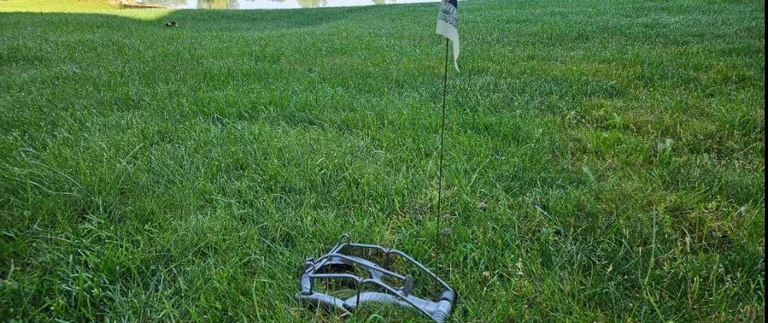
Moles and voles often get blamed late, after the lawn already looks off. Moles tunnel through the soil hunting insects, which can disturb roots and create raised ridges. Voles leave surface runways and chew on crowns and roots, especially under cover.
That damage can make grass dry out, thin out, or die in narrow irregular paths. If your lawn has patchy areas plus soft tunnels, shallow trails, or disturbed roots, the problem may not be just lawn care. It may also be an animal control issue.
How to figure out What’s causing the brown spots in your yard
Before you throw down seed, fertilizer, and every product at the garden center, inspect the area. Think of it like checking a fuse before replacing the appliance.
Look at the pattern of the damage
Pattern is one of the fastest clues. Perfect or near-perfect circles often point toward disease or pet spots. Long strips can suggest sprinkler gaps or mower scalping. Brown edges near pavement usually connect to heat and drought stress. Thin turf under trees points toward shade and root competition. Worn lanes across the lawn usually mean traffic.
Your yard is leaving clues in plain sight. You just have to stop looking at the whole lawn and focus on the shape of the damage.
Check the soil, roots, and moisture
Dig a small plug from the edge of the damaged spot, not just the center. Feel the soil. Is it bone dry, muddy, or hard as a brick? Look at the roots. Are they deep and fibrous, or short and sparse? Does the grass pull up easily? Do you see grubs curled in the soil?
This quick check tells you more than the color ever will. Dry soil points one direction. Soggy, compacted soil points another. Loose turf with missing roots points somewhere else entirely.
Think about timing and recent changes
When the patch showed up matters. If it appeared after a heat wave, drought stress jumps up the list. If it got worse after heavy rain, poor drainage or disease becomes more likely. If the lawn started browning after a fertilizer treatment, herbicide drift, or a mower deck adjustment, that timing matters too.
Even tree leaf-out can change things. A spot that looked fine in April may thin badly by June once full shade sets in.
How to fix a brown and patchy lawn based on the cause
The fix should match the problem. That sounds obvious, but plenty of lawn frustration comes from treating symptoms instead of causes.
Adjust watering and mowing first
Start with the basics because they solve more than people expect. Water deeply and consistently, not lightly every evening. Early morning is best because more water reaches the roots and the blades dry faster afterward. Raise your mowing height so the grass can shade its own roots and hold moisture better.
If your lawn is stressed, these two changes often make the biggest visible difference first.
Relieve compaction and improve soil
If the soil feels hard and roots are shallow, aeration can help open space for air, water, and root growth. Topdressing with compost adds organic matter and helps improve structure over time. If a spot stays soggy after rain, the fix may include correcting drainage, not just feeding the lawn.
Healthy roots need room. That is the whole point.
Repair bare or dead patches
Dead spots need cleanup before repair. Rake out dead material, loosen the top layer of soil, and add seed or sod that fits the site conditions. Keep the area evenly moist while it establishes, and limit traffic while new grass fills in.
In Michigan, early fall is usually the sweet spot for this kind of repair. The soil is still warm, the air is cooler, and new grass has a better shot than it does during peak summer heat.
Treat pests, fungus, or animal damage
If the real issue is grubs, fungus, moles, or voles, deal with that first. Otherwise, new grass ends up in the same bad situation that killed the old grass. Fungus calls for targeted disease treatment and better moisture management. Grub problems need pest control. Mole and vole damage often needs direct control plus lawn repair afterward.
The trick is simple: solve the cause, then repair the turf.
How to keep brown spots from coming back
You do not need a perfect lawn routine. You need a steady one.
Build a simple seasonal lawn routine
Through spring, focus on mowing high, feeding appropriately, and watching for early drainage or pest issues. In summer, water deeply when needed and avoid stressing the lawn with ultra-short cuts. In fall, aerate compacted areas, overseed thin spots, and strengthen the lawn before winter.
That rhythm works well for busy homeowners and property managers across West Michigan because it follows what the grass is already trying to do each season.
Know when it’s time to get help
If brown patches keep returning, spread quickly, peel up easily, or show signs of disease, grubs, moles, or voles, it is time to bring in lawn care, pest control, plant health care, or animal control support. Repeated damage usually means something bigger is happening below the surface.
Before you do anything else, try one small check today: water one brown patch, wait a bit, then tug gently on the grass. If it stays anchored, recovery may be closer than it looks.
- Disclaimer: This article is for general informational purposes only. It is not professional advice, a quote, or a service agreement. Conditions at your home or property may differ; contact a qualified professional for an on-site evaluation before making repair, safety, or spending decisions.
Disclaimer: This article is for general informational purposes only. It is not professional advice, a quote, or a service agreement. Conditions at your home or property may differ; contact a qualified professional for an on-site evaluation before making repair, safety, or spending decisions.
Need Professional Help?
Our experienced team is ready to help you achieve the lawn of your dreams. Contact us today for a free estimate!