Lawn Pest Control: What Your Yard Actually Needs
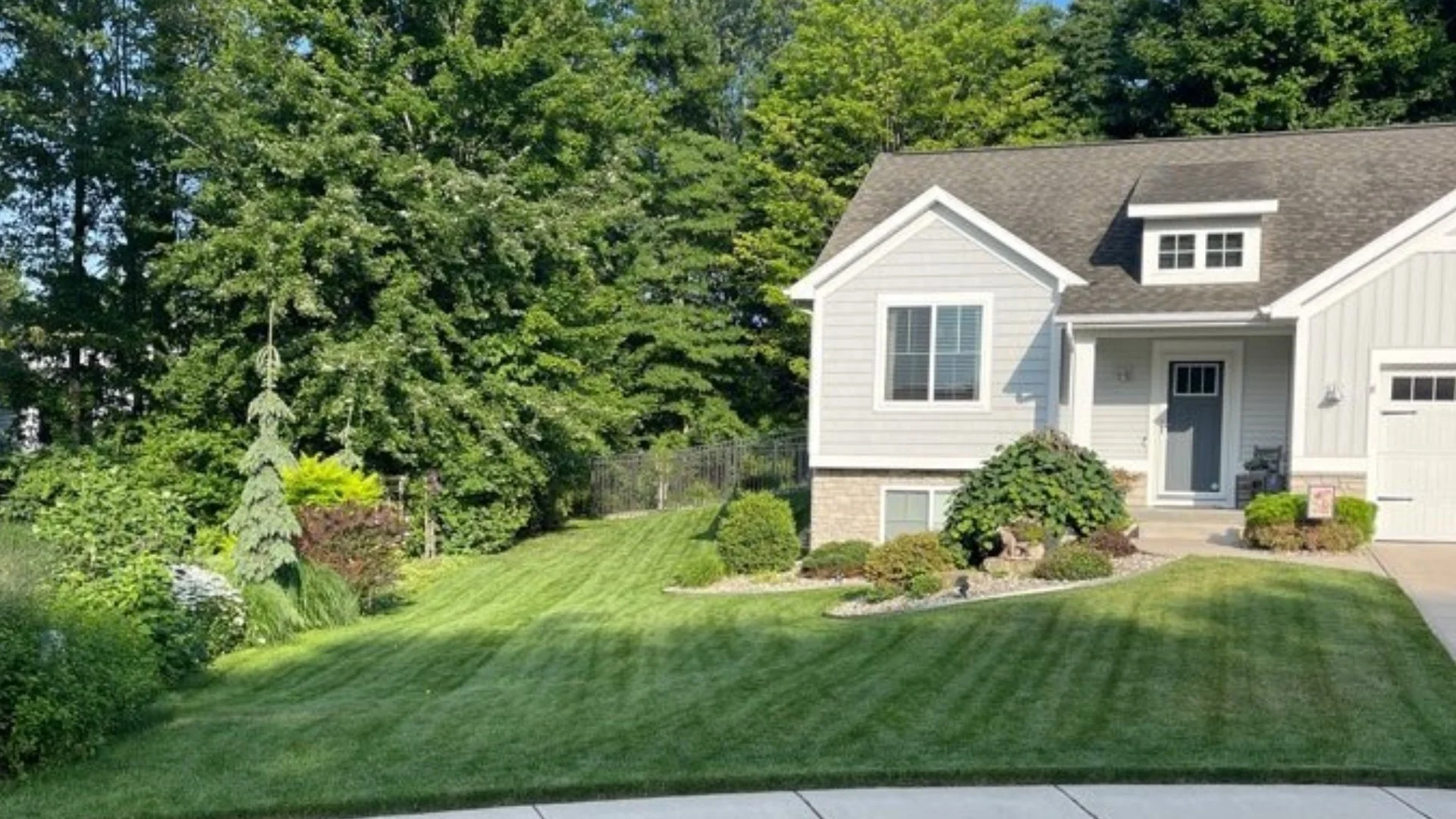
If your lawn suddenly looks thin, patchy, or chewed up, lawn pest control can sound like the obvious answer. But dead grass is a lot like a check engine light: it tells you something is wrong, not what the problem is. The trick is figuring out what your yard actually needs before you pay for the wrong treatment, especially in West Michigan where grubs, mosquitoes, moles, voles, and plain old lawn stress can all show up in the same season.
What lawn pest control really means for your yard
Lawn pest control is not one spray that fixes everything. It is a group of services aimed at different problems, and those problems do not all live in the same place or respond to the same treatment.
Some pests feed on grass blades near the surface. Some chew roots below the soil. Some make your backyard miserable without hurting the turf much at all, like mosquitoes around a shady patio in July. Others, like moles and voles, turn the lawn into a maze of ridges, runways, and soft spots.
Here’s the thing: if you treat all of that as one category, you waste money fast. A grub treatment will not solve vole chewing. A mosquito spray will not help a lawn that peels back because roots are gone. Good lawn pest control starts with identifying what is actually happening in your yard, then matching the service to that problem.
That matters even more in West Michigan, where cool-season lawns go through wet spring weather, summer stress, and plenty of wildlife pressure. A yard in Grand Rapids with brown patches near the sidewalk may have a completely different issue than a lake-adjacent property in Holland with mosquito pressure near shrubs and damp corners.
Start with the clues your yard is already giving you
Before you think about products, programs, or pricing, pay attention to the pattern of the damage. Your lawn usually tells a pretty clear story if you slow down and look.
Dead patches do not automatically mean bugs. Drought stress often shows up in high spots or sunny areas first. Disease can create circles, streaks, or fuzzy-looking edges. Dull mower blades can leave grass tips torn and pale, which makes the whole lawn look rough without any pest involved. Pet spots often have a dark green ring around a scorched center. Poor drainage can leave turf thin and weak in soggy areas.
Pest damage tends to have a different feel. Sometimes literally.
Signs of insect damage vs. stress or disease
Insect damage often looks irregular, not neat. You may see thinning turf, brown patches that seem to worsen quickly, or grass that feels weak underfoot even when you have been watering. Some surface-feeding insects leave blades ragged or chewed, while root-feeding pests can make turf feel detached from the soil.
One classic clue is grass that lifts up like loose carpet. That usually points to root loss, often from grubs. Another clue is sudden animal activity. If skunks, raccoons, or birds keep tearing at the same area, your lawn may be feeding something under the surface.
Stress and disease usually follow site conditions more closely. Dry corners stay dry. Low spots stay wet. Insect damage can cut across those patterns and leave you with patches that do not make much sense based on watering alone.
Signs you may have mole or vole activity
Moles and voles get lumped together all the time, but the damage looks different.
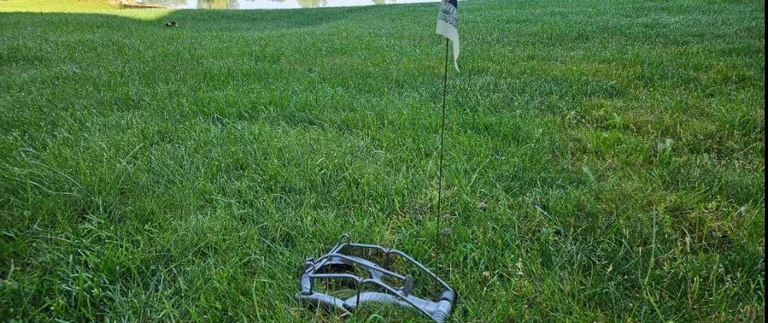
Moles tunnel below the surface and push up raised ridges or soft runs. You may step on a spot and feel the ground give a little. Fresh mole activity often shows up as winding surface tunnels and occasional mounds.
Voles act more like tiny chewing rodents. Instead of pushing up ridges, you are more likely to notice narrow runways through the grass, especially after snow melts or turf gets matted down. You may also see gnawing at stems, bark, plant crowns, or roots along garden edges and foundation beds.
That distinction matters. If the problem is tunneling, trapping or targeted control may be part of the answer. If the problem is chewing around crowns and roots, the service approach changes.
The most common lawn pests in west michigan
You do not need an insect field guide to make a good decision. You just need to know which local pests actually matter, what damage they cause, and when action makes sense.
Grubs
Grubs are among the most common lawn pests because the damage can stay hidden until the turf starts failing. These are beetle larvae living in the soil, feeding on grassroots. When enough roots are eaten, grass weakens, dries out faster, and can peel back with very little effort.
The clue many homeowners notice first is not the grass itself but the wildlife. Skunks and raccoons love grubs. If sections of your yard look like somebody went after them with a hand rake overnight, the lawn may be hosting dinner.
Timing matters with grubs because preventive and curative treatments are not the same thing. A treatment that works well against newly hatched grubs may be less useful once large larvae are already feeding heavily.
Surface insects like chinch bugs, sod webworms, and armyworms
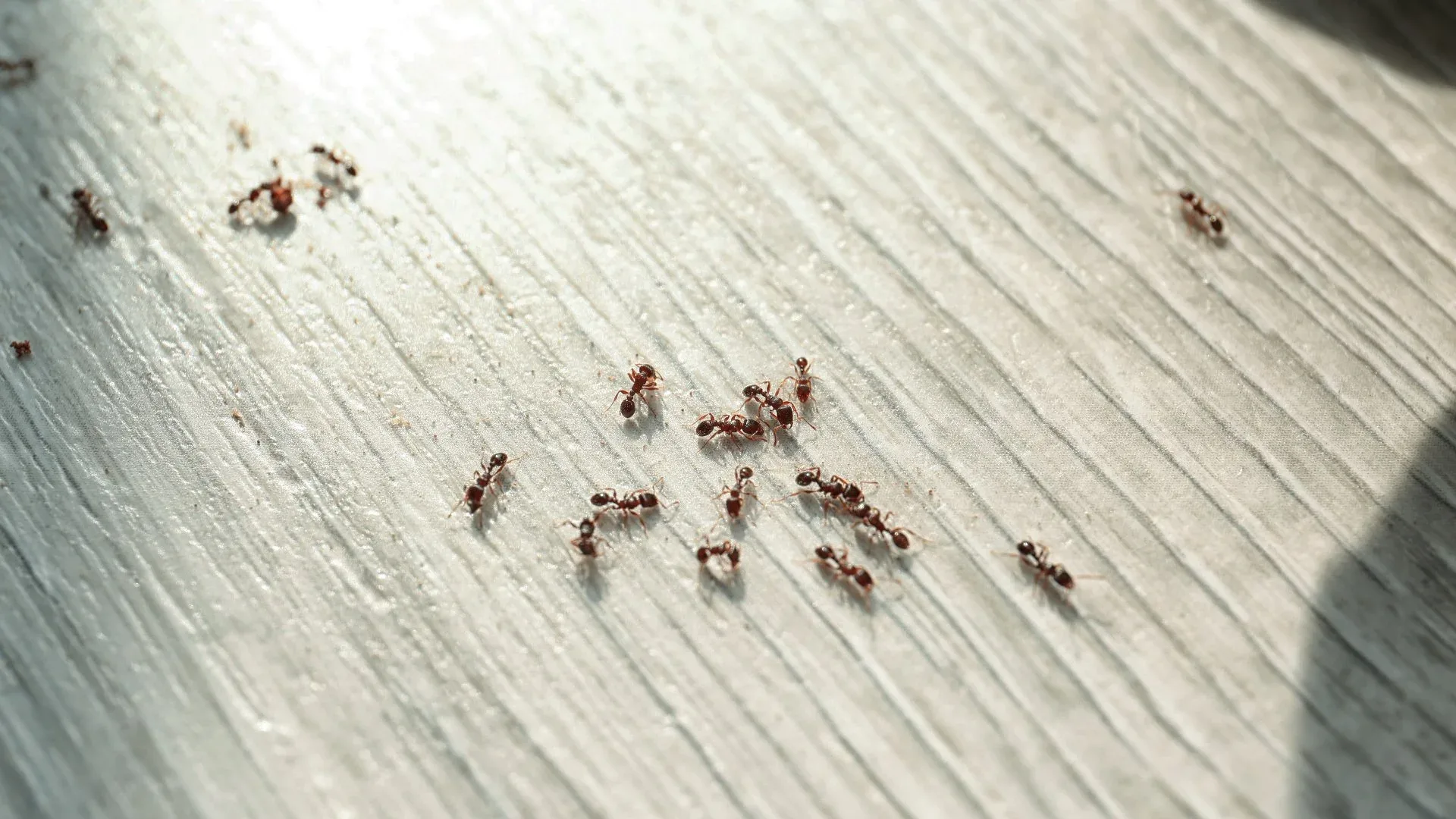
Surface-feeding pests damage the top of the lawn rather than the roots below it. Chinch bugs suck juices from grass and can make patches look dry or scorched. Sod webworms are caterpillars that feed on grass blades and leave a thin, ragged look. Armyworms can chew fast and visibly, almost as if sections were scalped overnight.
From yard level, these problems often show up as irregular thinning, chewed blades, or areas that look burned even after watering. The catch is that this can overlap with drought symptoms, so a close inspection matters.
In warm, sunny spots, chinch bug damage can be especially easy to mistake for summer stress. That is why diagnosis beats guesswork every time.
Mosquitoes, fleas, ticks, and perimeter pests
Not every lawn pest problem is about the grass. Sometimes the lawn looks fine, but your backyard becomes unusable by early evening.
Mosquitoes breed in standing water and rest in shady, humid areas such as dense shrubs, low tree canopies, and damp corners behind the garage. Fleas and ticks tend to hang out in shaded turf edges, mulch, leaf litter, and transitions between lawn and wooded areas. Perimeter pests often build up along foundation edges, ornamental beds, and entry points around the home.
If your goal is backyard comfort, turf-only service is not enough. You need a plan that includes the places pests actually live.
Moles and voles
Moles and voles are often treated as lawn pest control because the damage shows up in the yard. But these are not lawn insects, and they usually need a separate service approach.
Mole control often involves trapping, monitoring, or targeted baiting where allowed and appropriate. Vole control may focus on habitat reduction, targeted management, and protecting vulnerable plants and lawn edges. A general insect application usually does not solve either problem on its own.
The treatments You’ll see offered, and what each one actually does
Service descriptions can sound similar until you look closely. Preventive, curative, granular, liquid, natural, reduced-risk, conventional, those words all mean something different.
Preventive treatments
Preventive treatments are used before major damage shows up. That does not mean random spraying. It means timing an application to the pest life cycle so the treatment is in place when it can do the most good.
Grub prevention is the clearest example. If your property has a history of grub damage, a preventive application at the right time can stop a lot of trouble before roots disappear. The same idea can apply to recurring mosquito service during the active season. The schedule matters more than the label.
Curative treatments
Curative treatments are used when the pest is already active and the damage is visible. These can stop ongoing feeding or reduce an existing population, but the catch is simple: dead roots do not come back overnight.
If your lawn already has severe grub damage, killing the grubs is only part of the job. You may still need watering, overseeding, or repair work. The same goes for surface insects that thin the turf badly. Pest control stops the cause. Recovery still takes time.
Granular vs. liquid applications
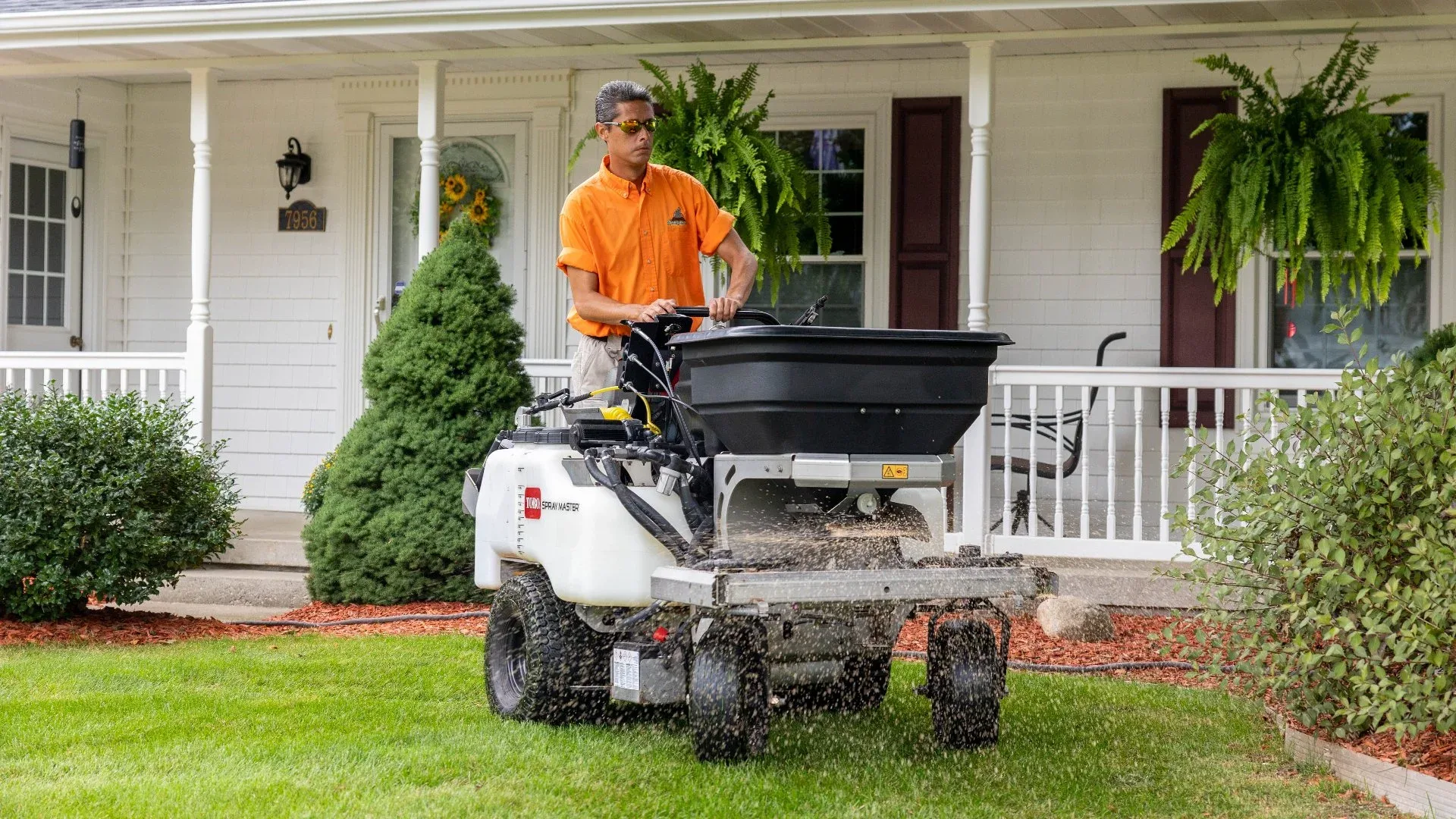
Granular treatments look like pellets spread across the lawn. Liquid treatments are sprayed. Neither is automatically better. Each fits certain jobs.
Granular products are often used for soil-targeted issues and may need to be watered in so the active ingredient reaches the right zone. Liquid treatments can give more immediate surface coverage and are often used for visible activity on grass blades, perimeter zones, or mosquito resting areas.
For you, the practical difference is simple: ask where the product needs to go, how quickly it acts, and whether watering afterward is part of the plan.
Natural, reduced-risk, and conventional options
This is where marketing gets loud. “Natural” does not always mean strong enough for the problem. “Conventional” does not automatically mean careless. What matters is how the treatment works and what result you should expect.
Some lower-impact options repel pests or suppress numbers rather than wipe out an infestation. Some conventional materials kill faster or last longer. Reduced-risk programs may make sense around outdoor living areas, kids, pets, or pollinator-sensitive spaces, but you still need honest expectations. If you are dealing with a heavy grub issue or active mole damage, a gentle option may not be enough.
How to choose the right lawn pest control service
A good service is not the one with the flashiest package. It is the one that diagnoses the problem correctly, treats it at the right time, and covers the areas that actually matter.
Accurate inspection comes first
If somebody is ready to sell a treatment before looking closely at the lawn, that is a bad sign. You want inspection first.
A solid provider should walk the property, look at the damaged areas, ask what you have noticed, and explain why the issue points to insects, moles, voles, mosquitoes, or something else entirely. Sometimes the right answer is no treatment at all. Honestly, that is often the mark of a better company.
Timing matters more than hype
The right treatment at the wrong time is money down the drain. That is not a maybe. It is the rule.
Grubs respond best at certain life stages. Mosquito service works best as part of a timed seasonal approach, not one random visit after a holiday barbecue. Mole and vole activity can shift with season, moisture, and food pressure. In Michigan, timing is half the job.
Coverage area and service scope
Do not assume “lawn pest control” includes every outdoor pest issue on your property. Sometimes it means turf insects only. Sometimes it includes perimeter treatment, mosquito zones, or follow-up inspections. Sometimes mole trapping and vole management are separate add-ons entirely.
Ask what areas are covered: turf, ornamental beds, shrub lines, foundation edges, backyard gathering spaces, and problem zones near woods or water. Specific scope beats vague promises every time.
Safety for kids, pets, and pollinators
This matters, and the right questions are straightforward. Ask about reentry time, watering instructions, and whether anything changes near flowering plants, vegetable gardens, or pollinator-heavy beds.
Application method matters too. A blanket treatment over blooming groundcover is a different situation than a targeted perimeter application or a turf treatment watered into the soil. Clear instructions before and after service should be part of the package, not something you have to drag out of somebody.
Lawn pest control by use case
Different yard problems call for different priorities. Here’s how to think about the most common situations.
If your lawn has brown patches that keep spreading
Start with diagnosis, not treatment. Brown patches can come from grubs, surface insects, disease, drought stress, poor drainage, compacted soil, or a mix of problems.
If the grass lifts easily, roots may be gone. If blades look chewed, surface insects move higher on the list. If damage follows sprinkler gaps or sunny slopes, water stress may be the bigger issue. The color alone does not tell you enough.
If outdoor time gets ruined by mosquitoes
If your patio becomes unusable around dusk, focus on mosquito habitat and repeat pressure. Shaded back patios, damp corners near shrubs, clogged gutters, and even a forgotten bucket behind the shed can keep the problem going.
Good mosquito control usually combines source reduction with targeted treatment and repeat service through the active season. One spray before a party may help for a moment. A plan works better.
If you see tunnels, ridges, or runways
Raised ridges and soft tunnels point toward moles. Narrow surface runways and chewing around stems or crowns point more toward voles. Either way, basic insect control is not the whole answer.
You need service that targets the actual tunneling or chewing pest, plus a realistic plan for monitoring fresh activity.
If you manage a commercial property
Commercial properties add another layer. Apartment communities, office sites, retail centers, and HOA lawns need consistent appearance, predictable scheduling, and clear service records.
A patchy front entry or mosquito-heavy common area is not just annoying. It affects curb appeal, tenant complaints, and liability concerns. In that setting, reliability matters almost as much as the treatment itself.
Common mistakes that lead to wasted money
Most wasted lawn pest control spending comes from three things: guessing, waiting, and assuming everything starts in the grass.
Treating before confirming the pest
Guessing leads to the wrong product, wrong timing, and no real improvement. If you treat drought stress like grub damage, nothing changes except your bill. If you spray for insects when the real issue is vole chewing at the edge of a bed, the problem keeps rolling.
Waiting too long after early signs
Delay can make repair much more expensive. Once roots are gone, turf can collapse fast. Once tunneling spreads through multiple zones, control usually gets more involved.
Early signs matter because the pest is often easier to manage than the damage it leaves behind.
Assuming every pest problem starts in the lawn
A lot of outdoor pest pressure starts nearby, not in the middle of the yard. Mulch beds, standing water, foundation plantings, wood lines, and damp shaded edges all matter.
That is especially true in many West Michigan neighborhoods with mature trees, low areas, and mixed landscaping. A lawn-only approach can miss the real source.
What to expect after treatment
Good service should come with realistic expectations. Some results show up quickly. Some take patience.
How fast results show up
Mosquito relief can feel fairly quick after treatment, especially around resting areas. Surface insect control may also show visible improvement fast if active feeding stops.
Grub-damaged lawns are slower. Even if the pest is controlled, the grass may still need time to recover because the root system took the hit first. Mole and vole damage can also linger visually after activity drops.
What follow-up care matters
Follow the aftercare instructions you are given. That may include watering in a granular treatment, staying off the lawn for a period, or holding off on mowing right away.
Then keep watching. Look for fresh ridges, new runways, continued animal digging, or brown areas that keep expanding. Good follow-up is less about obsessing over every blade and more about noticing whether the same pattern continues.
When lawn repair is part of the fix
Sometimes pest control solves the cause, but not the appearance. If turf is badly thinned, you may need overseeding, soil repair, or plant health care support to get the lawn looking normal again.
That is not a failure of the treatment. It just means the pest problem and the lawn recovery are two parts of the same project.
Questions to ask before you hire a lawn pest control company
The best questions are the simple ones, asked clearly.
What pest do you think is causing the problem, and how did you confirm it?
A clear answer matters more than a polished sales pitch. You want to hear what signs point to grubs, surface insects, mosquitoes, moles, voles, or a non-pest issue.
Is this treatment preventive, curative, or part of a seasonal program?
That one question clears up a lot. It tells you whether the service is meant to stop a future issue, fix an active one, or manage pressure across the season.
What is included if moles, voles, or mosquitoes are part of the problem?
Do not assume every outdoor pest issue falls under one package. Clarify what is included, what is separate, and what kind of follow-up comes with each service.
What should you do before and after service?
You should know the prep, the watering plan, any timing for kids and pets, and what signs to watch for afterward. Before you even make the call, try one simple thing first: walk your yard slowly, from the healthy grass into the damaged area, and note exactly where the problem starts and what it looks like. That small step makes every decision after it much easier.
Disclaimer: This article is for general informational purposes only. It is not professional advice, a quote, or a service agreement. Conditions at your home or property may differ; contact a qualified professional for an on-site evaluation before making repair, safety, or spending decisions.
Need Professional Help?
Our experienced team is ready to help you achieve the lawn of your dreams. Contact us today for a free estimate!