West Michigan Pest Control for Real Lawn Problems
If your lawn suddenly feels spongy underfoot, shows fresh ridges near the driveway, or starts thinning after a wet week in Grand Rapids or Holland, “West Michigan pest control” probably feels like a bigger category than it should. Here’s the thing: for lawn problems in this part of Michigan, pest control often overlaps with turf care, plant health care, mole control, and vole control, so the best choice is rarely just a spray and a receipt.
What “west michigan pest control” should actually fix for your lawn
A good service should solve the actual problem in your yard, not just name a pest and move on. If your grass is failing, your shrubs are getting chewed, or your lawn looks like somebody dragged a rake underground, the job is to diagnose what is happening, explain why it is happening, and connect treatment to recovery.
That matters because lawn pest issues in West Michigan rarely live in neat little boxes. A property can have grub damage under the turf, moles tunneling after food, and stressed grass that never had much chance to begin with. If the service only treats one slice of that, you can end up paying twice and still staring at the same ugly patch by the mailbox.
The lawn problems that usually send you looking for help
Most yard problems start with something you notice while mowing, walking the dog, or pulling into the driveway. The lawn looks off. A bed edge seems chewed up. The turf lifts too easily. Those clues matter more than broad labels like “pest issue.”
Chewed grass, thinning patches, and roots that give way
If your lawn has brown or thinning spots and the grass peels back with very little effort, root damage is high on the list. One common cause is grubs, which are beetle larvae living below the surface and feeding on grass roots. They do the damage out of sight, then your lawn suddenly looks tired, patchy, or dead.
The tricky part is that surface symptoms can look delayed. By the time you notice the patch, the feeding may have been happening for weeks. That is why inspection matters more than guessing from color alone.
Raised tunnels, soft spots, and ridges in the turf
Fresh mole activity often shows up as raised runs, narrow ridges, or soft spots that make the yard feel uneven. Walk across it and it can feel like a lumpy rug laid over loose padding. In open lawn areas, especially after damp weather, those runs can seem to appear overnight.
Moles are not eating your grass, but the tunneling wrecks the surface and disturbs roots. For most homeowners, that difference barely matters once the yard starts looking rough.
Gnawing at the base of plants, shrubs, and young trees
If damage shows up around mulch rings, ornamental beds, or near the base of shrubs and young trees, voles are worth checking for. Voles are small rodents, and unlike moles, they chew. Cooler months can make this worse because mulch, tall grass, and protected bed edges give cover right where tender bark and stems are easiest to reach.
This kind of damage often feels sneaky. The lawn may look mostly fine while a shrub near the foundation gets stripped at the base.
Spots that look like pests but start with lawn stress
Not every bad patch is caused by insects or burrowing animals. Drought stress, poor drainage, compacted soil, dull mower blades, and lawn disease can all mimic pest damage. A stressed lawn also becomes easier to damage, which turns a small issue into a bigger one fast.
That is why a real inspection beats a one-note treatment every time. If the turf is already weak, fixing the pest without fixing the lawn conditions is like patching a roof while leaving the leak source in place.
Common west michigan lawn pests and what to watch for
The pest mix around western Michigan properties is broad, but a few categories show up again and again in lawns and nearby plantings. Residential yards, office grounds, apartment communities, and HOA landscapes all run into similar patterns, just at different scale.
Grubs and other root-feeding insects
Grub damage tends to show up when roots have been eaten enough that turf can no longer hold on well. One of the biggest clues is animal activity. If skunks or raccoons start tearing at your grass, that can mean something edible is living underneath.
Timing matters a lot here. Root-feeding insects are easier to prevent or treat effectively during the right seasonal window than after the lawn is already collapsing. Good service should explain not just what is in the lawn, but why treatment timing matters for that pest in West Michigan.
Moles in open lawn areas
Moles tunnel for food, mainly insects and soil-dwelling creatures. If your property offers easy feeding and soft digging conditions, activity can stick around. More insect life in the soil can support more mole activity, though the relationship is not as simple as “treat grubs and moles disappear.”
That is the catch. Killing one pest does not always solve the whole problem if the yard still invites tunneling and the mole issue is already established.
Voles around beds, edges, and winter cover
The easy way to remember the difference is this: moles tunnel underground, voles chew and run through grass, mulch, and sheltered edges. Voles often leave narrow surface runways and damage at the base of plants, especially where winter cover or dense growth gives protection.
If your trouble sits around beds, retaining walls, shrub lines, or foundation edges, vole-focused service makes more sense than broad lawn treatment.
Surface pests that affect yard use
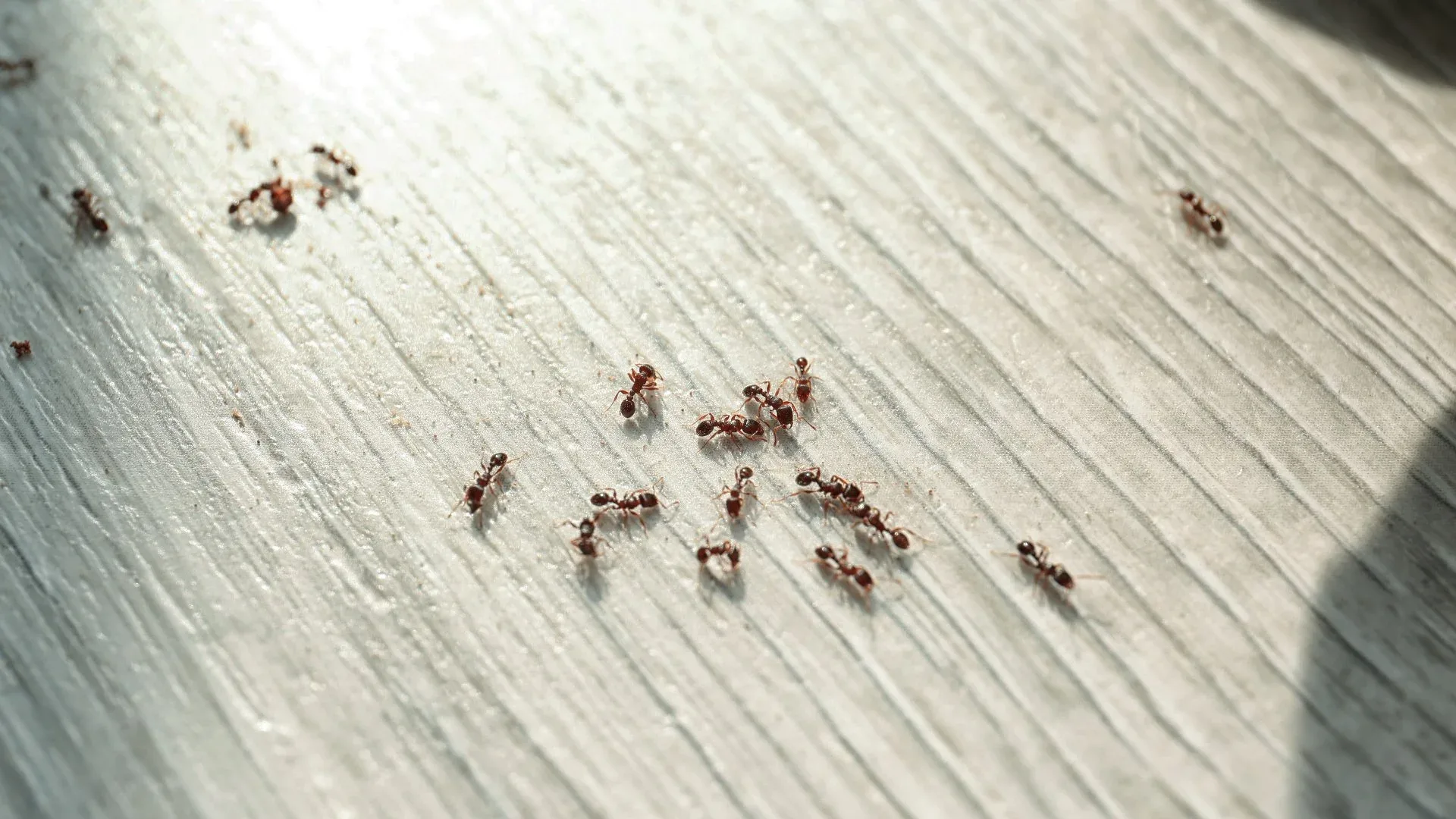
Sometimes the issue is not the look of the lawn at all. It is the fact that mosquitoes push everybody inside at dusk, ticks make the yard feel off-limits, or stinging insects turn the patio into a no-go zone. Ants can also become a nuisance in turf and along hardscape edges.
If your goal is enjoying the yard, not just improving curb appeal, those surface pests belong in the buying decision too.
How to choose the right pest control service for your property
This is where most bad decisions happen. A yard problem shows up, somebody offers a fast treatment, and the underlying cause never gets pinned down. A good service should diagnose before treating. Full stop.
Start with an inspection, not a one-size-fits-all spray
The best service looks at turf condition, soil moisture, tunnels, root strength, plant damage, and where activity is concentrated. That creates a plan built around your property instead of a generic seasonal stop.
A custom plan beats a broad spray every time because lawn problems are specific. One yard needs grub treatment and turf recovery. Another needs vole control around beds. Another needs mole trapping plus habitat changes.
Look for services that connect lawn care and pest control
A weak lawn is easier to wreck, like a worn welcome mat at the front door. If the service can connect turf health, plant health care, and animal damage, you get a fuller fix instead of disconnected visits.
That matters on both residential and commercial sites. Healthier turf recovers faster, hides less damage, and usually tolerates pressure better. If somebody only talks about treatment and never about lawn condition, something is missing.
Ask how treatments are timed for west michigan seasons
Seasonal timing is not a small detail. Spring emergence, summer feeding periods, and fall activity all affect what treatment makes sense and when it should happen. A provider that cannot explain timing in plain English is asking you to trust the process without showing the process.
You want to hear a clear connection between the pest, the season, and the treatment window.
Check whether residential and commercial needs are both covered
Commercial properties often need more than a homeowner-style visit. Larger turf areas, repeat scheduling, documented service, and low-disruption work windows matter for offices, HOAs, retail sites, and multi-building properties.
If your property has tenants, staff, or customers moving through it daily, scheduling and reporting are part of the service, not an extra.
Treatment options you’ll usually see, and how to compare them
Most services fall into a few buckets. The trick is knowing what each one is actually for so you do not buy maintenance when you need problem-solving, or vice versa.
Preventive lawn pest treatments
Preventive treatments are meant to stop common infestations before damage becomes obvious. These make the most sense if your property has repeat grub issues, recurring surface pests, or a history of seasonal damage.
The value is predictability. You are paying to reduce the chances of the same problem showing up again, not to solve a visible disaster that is already underway.
Curative treatments for active infestations
Curative treatments are for active pest problems. You already have visible damage, confirmed activity, or both. The goal is to stop what is happening now.
That sounds obvious, but it gets blurred all the time. If your lawn lifts like loose carpet, you need a direct answer to the current infestation, not a vague promise of seasonal protection.
Mole control and vole control programs
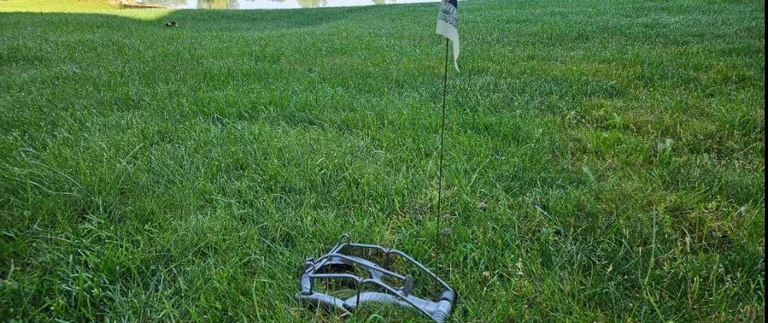
These programs usually involve trapping, monitoring, and site-specific adjustments, not just a spray. Exclusion steps and habitat cleanup may also matter, especially for voles around beds and structures.
Follow-up matters here. One visit rarely solves an established mole or vole issue for good, because movement patterns and cover conditions keep changing.
Plant health care for shrubs and ornamental beds
If your whole yard looks rough, the problem may not stop at the turf. Plant health care covers inspections and treatment for shrubs, trees, and ornamental areas dealing with chewing, boring, or stress-related pest issues.
This matters more than it sounds. A lawn can improve while landscape plants still decline, and the property still feels unhealthy overall.
What pest control costs in west michigan
There is no single flat rate that fits every lawn problem, and anybody pretending otherwise is skipping the details that actually drive cost. Price should make sense in relation to scope, timing, and follow-up.
What affects pricing
Lot size is an obvious factor, but it is not the only one. Severity of infestation, number of treatment zones, pest type, visit frequency, and whether lawn, shrubs, beds, and perimeter areas are included all affect pricing.
Mole and vole work can also cost differently from insect treatment because it often requires repeated monitoring or trapping instead of a single application.
One-time service vs seasonal plans
One-time service can work for isolated issues, especially if the problem is confirmed early and limited to one area. Seasonal plans make more sense when the same pests show up year after year or when your property needs ongoing monitoring.
The tradeoff is simple. One-time service lowers the immediate bill. Seasonal service usually lowers the chance of repeat surprises.
When the cheapest option gets expensive
A low quote is not a bargain if it never fixes the source of the problem. If you pay for repeated broad treatments and still have raised tunnels, dead turf, or chewed shrubs six weeks later, you bought delay, not value.
Cheap service gets expensive fast when every revisit feels like starting over.
Mistakes to avoid when hiring lawn pest control
Most frustration starts before the first treatment. Not because pest control never works, but because the wrong service gets matched to the wrong problem.
Confusing moles, voles, grubs, and lawn disease
Wrong diagnosis leads to wasted money. If the service cannot clearly explain what is causing the damage and how that was confirmed, you are guessing with your wallet.
Clear identification should come before treatment, not after it fails.
Waiting until damage is everywhere
Small problems are easier to fix than a yard that looks like it lost a fight with a rototiller. Root-feeding insects, moles, and voles all get harder to deal with after damage spreads across multiple zones.
Early action usually means less repair later.
Choosing a provider that only treats one piece of the problem
If pest pressure, turf stress, and plant health issues overlap, a siloed service can leave obvious gaps. You do not want one visit for lawn insects, another for moles, and no plan for why the turf never recovers.
Connected problems need connected service.
Not asking what success looks like
You should know the expected timeline, whether follow-up is included, what retreatment looks like, and whether lawn recovery is part of the plan or separate. A good service sets expectations clearly.
That helps you judge results by more than “somebody came out.”
Best pest control choices by use case
The right choice gets clearer once you match the service type to the damage pattern in your yard.
If your lawn has tunnels and raised ridges
Prioritize mole inspection and control first. At the same time, check for the food source and soil conditions that keep activity attractive.
If your grass is dying in patches and lifts easily
Focus on grub inspection and targeted lawn treatment, then pair that with recovery steps so the turf can fill back in after the pest pressure drops.
If shrubs, mulch edges, or young trees are getting chewed
Look for vole-focused service, plus cleanup around dense cover, bed edges, and foundations where hiding spots make repeat damage easier.
If you want one plan for lawn, pests, and plant health care
A bundled seasonal program usually makes the most sense. You get turf monitoring, prevention for recurring pest issues, and attention to shrubs and ornamental beds in one plan.
If you manage a commercial property
Look for documented service plans, recurring visits, broader site coverage, and scheduling that avoids disruption for staff, tenants, and customers.
Questions to ask before you book service
Before you book, try one simple thing: ask better questions. Ask what pest or problem is being treated, how it will be confirmed, when the timing is right for West Michigan conditions, what follow-up is included, and what happens if activity comes back. Those answers tell you a lot faster than a polished sales pitch ever will.
Disclaimer: This article is for general informational purposes only. It is not professional advice, a quote, or a service agreement. Conditions at your home or property may differ; contact a qualified professional for an on-site evaluation before making repair, safety, or spending decisions.
Need Professional Help?
Our experienced team is ready to help you achieve the lawn of your dreams. Contact us today for a free estimate!