When Is Vole Season in Michigan? Signs to Watch
Vole season in Michigan is not one short stretch on the calendar. It is the period when vole activity and damage become easiest to spot, usually from late fall through early spring, especially once snow melts and your lawn suddenly shows narrow trails that look like little paths pressed into the grass. If your yard looks chewed up in March, this is usually the reason.
When vole season starts in michigan
The short answer is simple: voles stay active all year in Michigan. What most people mean by vole season is the time when feeding, tunneling, and plant damage become obvious enough that you finally notice it.
That difference matters. You are not dealing with a pest that disappears in summer and returns in winter like a switch flipping on and off. Voles keep moving, feeding, nesting, and breeding through the year. The visible damage just tends to spike after cold weather, when snow cover has hidden weeks or months of activity.
Why people talk about “vole season”
The phrase sticks because it matches what you see. One week your lawn looks fine under snow, then a thaw hits and suddenly there are shallow runways across the grass, gnawed bark near shrubs, and rough-looking patches around beds.
So yes, people talk about vole season as if it starts at one exact moment. In reality, it is more like a reveal. The feeding and travel may have been happening for a while, but late winter and early spring are when the evidence shows up all at once.
What makes michigan yards vulnerable
Michigan gives voles plenty of what they like: cover, moisture, and protected places to move. Long grass, heavy mulch, brushy property edges, thick ground cover, and untrimmed planting beds all make life easier for them.
Snow is a big part of the problem. It acts like a blanket over your lawn and landscape beds, giving voles a hidden tunnel system between food and shelter. In West Michigan, that pattern is familiar. After a Grand Rapids snowmelt in early March, it is common to notice fresh lawn trails that were completely invisible a few days earlier.
How voles behave through the seasons
If you want to understand vole season, it helps to think of the year in phases. Not because voles follow a neat schedule, but because your yard changes, and vole behavior changes with it.
Spring: fresh damage shows up fast
Spring is when winter damage finally steps into view. As snow recedes, surface runways appear in the lawn, clipped grass becomes obvious, and bark chewing at the base of shrubs or young trees stands out against wet soil and bare mulch.
This is also when plant decline starts to make sense. A shrub that looked fine in fall may leaf out poorly, or not at all, because bark near the base got chewed during winter. That kind of damage can be easy to miss until growth should be happening and simply is not.
Summer: breeding and spread
Summer looks quieter, but the problem can still grow fast. Voles breed during warmer months, and when food and cover are easy to find, populations can build in the background.
The catch is that summer lawns and beds can hide them. Thick grass, spreading perennials, hostas, and overgrown edges give voles the same thing clutter gives in a garage: lots of places to disappear. You may not see dramatic runways, but activity can keep spreading.
Fall: prime setup season
Fall is one of the best times to pay attention, because this is when vole habitat gets set up for winter. Overgrown beds, garden leftovers, weeds, fallen plant material, and thick mulch create perfect shelter before cold weather locks in.
If your property tends to get hit every year, fall is the moment that usually explains why. Voles want protected routes and nearby food before snow arrives. If your yard offers both, winter damage often follows.
Winter: peak protection for voles, peak frustration for you
Winter gives voles cover at exactly the time you are least likely to notice them. Under snow, they can move, feed, and nest with protection from predators and weather.
That is why some of the worst damage happens when your lawn looks quiet. Bark gnawing around trees and shrubs, feeding in beds, and runway formation in turf often build through winter. You just do not get the full picture until the snow pulls back.
Signs to watch for in your lawn, beds, and trees
Vole damage has a look. Once you know it, you can usually spot it pretty quickly.
Surface runways in grass
The classic sign is a narrow surface trail, usually about 1 to 2 inches wide, running through grass or across lawn edges. These paths often look worn down, with clipped grass and a flattened, thread-like pattern.
Think of them like little neighborhood sidewalks. Voles use the same routes again and again, especially where grass or snow gives overhead cover. If you see several connected trails after snowmelt, that is a strong clue.
Small burrow openings and nest areas
Voles also use small openings in the ground, often near shrub lines, mulch beds, wood piles, or the edge of a natural area. These holes are usually subtle, not large dirt piles or dramatic tunnel entrances.
Nest areas tend to stay tucked under dense vegetation, debris, or ground cover. If a bed feels overgrown and undisturbed at ground level, it can become a comfortable hiding spot.
Gnaw marks on trees and shrubs
One of the most serious signs is chewing at the base of young trees, woody ornamentals, and shrubs. Voles feed on bark, especially in winter when softer food is scarce.
You may hear the word girdling. That just means the bark gets eaten all the way around the trunk or stem. Picture pinching a straw closed. Once that outer layer is gone in a full ring, the plant may not recover.
Damage in garden beds and around bulbs
Voles do not stop at turf. Bulbs can disappear, roots can get chewed, and low-growing plants may suddenly collapse or decline without an obvious disease problem.
That is why vole activity often overlaps with plant health concerns. If perennials look weak, new plantings struggle, or bulbs never come up as expected, the issue may be feeding below or just above the soil line.
Voles vs. moles: the difference actually matters
A lot of yard damage gets blamed on the wrong animal. That leads to the wrong fix, which wastes time.
What voles look like and what they eat
Voles are small, mouse-like rodents. They feed on grasses, roots, bulbs, bark, and tender plant material. The damage comes from chewing and feeding, not from pushing up large amounts of soil.
If your lawn has clipped grass trails and your shrubs have bark gnawing near the base, voles are a likely suspect.
What moles do instead
Moles are different. They are insect-eaters that tunnel underground looking for grubs, worms, and other soil life. Their work leaves raised ridges, soft tunnels underfoot, and mound-like piles of pushed-up soil.
Here is the simple rule: if your yard has volcano-like soil piles, that is not vole damage. That points to moles.
Quick field check for your yard
Surface trails and gnawing usually point to voles. Raised tunnels and mounds usually point to moles. The tricky part is that both can be active in the same yard, especially on larger West Michigan properties with lawn, beds, and natural edges all close together.
What attracts voles to your property
Voles do not show up randomly. Certain yard conditions make a property much more inviting.
Thick cover close to the ground
Voles love low, dense protection. Tall grass, weedy borders, deep mulch, spreading junipers, thick evergreen plantings, and overgrown beds all help them move without being exposed.
The trick is simple: if a spot feels hidden at ankle height, it probably feels safe to a vole too.
Easy food sources
Lawns, roots, bulbs, hostas, vegetable gardens, and the bark of young trees all make good food sources. That is why both homes and commercial landscapes can have trouble. A tidy-looking property can still offer plenty to eat.
Winter raises the stakes. When green growth is limited, bark and woody stems become more appealing, especially on younger plants.
Quiet hiding spots around structures and edges
Wood piles, stone walls, shed edges, drainage swales, fence lines, and naturalized borders can function like back roads through the property. Voles use these quiet areas to travel between shelter and feeding spots.
If damage seems to keep returning near the same corner of your yard, look for one of these protected corridors nearby.
How to reduce vole damage before it gets worse
You do not need to turn your yard into bare dirt. But you do need to make it less comfortable for voles.
Cut back cover and clean up problem areas
Regular mowing helps. So does trimming weedy edges, thinning dense ground cover, and clearing out heavy plant debris. Pull mulch back from trunks and avoid letting beds stay packed and overgrown through fall.
Exposure is your friend here. Voles prefer hidden routes, so reducing low cover makes those routes less appealing.
Protect trees, shrubs, and planting beds
Young trees and fresh plantings deserve extra attention before winter. Trunk guards and wire mesh barriers can help protect bark at the base, and checking mulch depth around valuable plants is worth the effort.
Mulch should insulate roots, not touch trunks like a blanket. When mulch sits too tight against bark, it creates cover exactly where voles like to feed.
Use trapping and control where activity is active
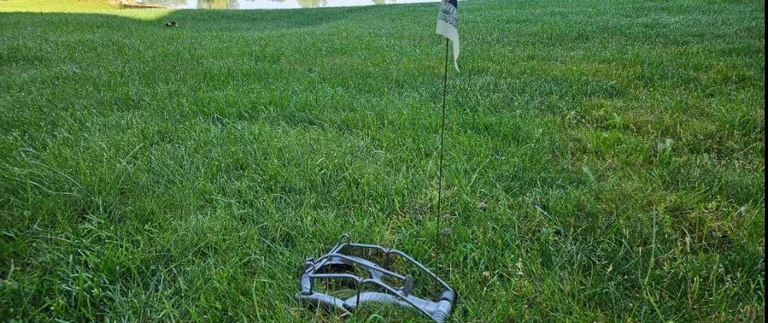
If you have active runways, traps can help in targeted spots. Placement matters, because voles tend to stick to those established travel lines.
Baits and rodenticides are a different level of control and need careful handling. Safety matters around kids, pets, and non-target wildlife, so casual placement is a bad idea.
Know when professional help makes sense
If damage keeps coming back, valuable plants are getting hit, or you are not sure whether you have voles, moles, or both, professional help makes sense. The same goes for larger residential properties, HOA grounds, commercial landscapes, and sites with ongoing lawn care or plant health care concerns.
At that point, the issue is not just a few trails in turf. It is property-wide habitat, plant protection, and targeted control.
Common questions about vole season in michigan
Are voles worse in winter or spring?
Winter is often when the damage happens. Spring is when you finally see how bad it got.
Do voles go away in summer?
No. Voles stay active in summer and can breed quickly. You may just see less obvious lawn damage because growing grass and thicker plants hide the signs.
Can a healthy lawn still get voles?
Yes. Even a healthy lawn can attract voles if nearby mulch, shrub beds, natural edges, or dense cover give them shelter and safe travel routes.
What should you check first if you see trails after snowmelt?
Start with the lawn runways, then check the base of young trees, shrub lines, and mulched beds for chewing or hidden openings. Before spring growth covers everything up again, walk your property edge and look for fresh runways. That one pass can tell you a lot.
Disclaimer: This article is for general informational purposes only. It is not professional advice, a quote, or a service agreement. Conditions at your home or property may differ; contact a qualified professional for an on-site evaluation before making repair, safety, or spending decisions.
Need Professional Help?
Our experienced team is ready to help you achieve the lawn of your dreams. Contact us today for a free estimate!