Core Aeration on Heavy Clay Suburban Sites
Why clay needs mechanical pore space
Glacial clay compacts under wheels, play paths, and stored equipment even when turf color looks acceptable from the curb. Roots suffocate in the upper few inches while water runs off instead of infiltrating.
Construction fill on newer Grand Rapids subdivisions often hides thin topsoil over dense subsoil. Aeration targets the living root zone where oxygen exchange stalled, not the entire profile depth.
Spongy feel after rain on otherwise green turf can signal compaction and thatch interplay rather than grub injury alone. Probe resistance near garage aprons confirms mechanical stress.
West Michigan glacial clay, lake effect moisture, and cool season turf change how the same symptom looks from one Grand Rapids suburb to the next. Photograph sun bands, irrigation overlap, and recent traffic before you lock a product choice. Tuff Turf aligns lawn care, pest control, and animal control across Kent, Ottawa, and Allegan counties from field evidence on real residential lots.
Spring versus fall aeration windows
Cool season turf heals fastest when soil is warm enough for growth yet air temperatures stay moderate. Early fall often outperforms spring on Michigan clay when summer stress already thinned crowns.
Spring aeration before full green up can work when soil moisture is workable and recovery irrigation is available. Aerating baked summer clay usually tears turf without meaningful recovery.
Guest calendars and sports schedules on suburban lots should drive date choice as much as agronomic ideals. Mark panels that cannot tolerate downtime before aeration day.
West Michigan glacial clay, lake effect moisture, and cool season turf change how the same symptom looks from one Grand Rapids suburb to the next. Photograph sun bands, irrigation overlap, and recent traffic before you lock a product choice. Tuff Turf aligns lawn care, pest control, and animal control across Kent, Ottawa, and Allegan counties from field evidence on real residential lots.
Moisture at hole formation
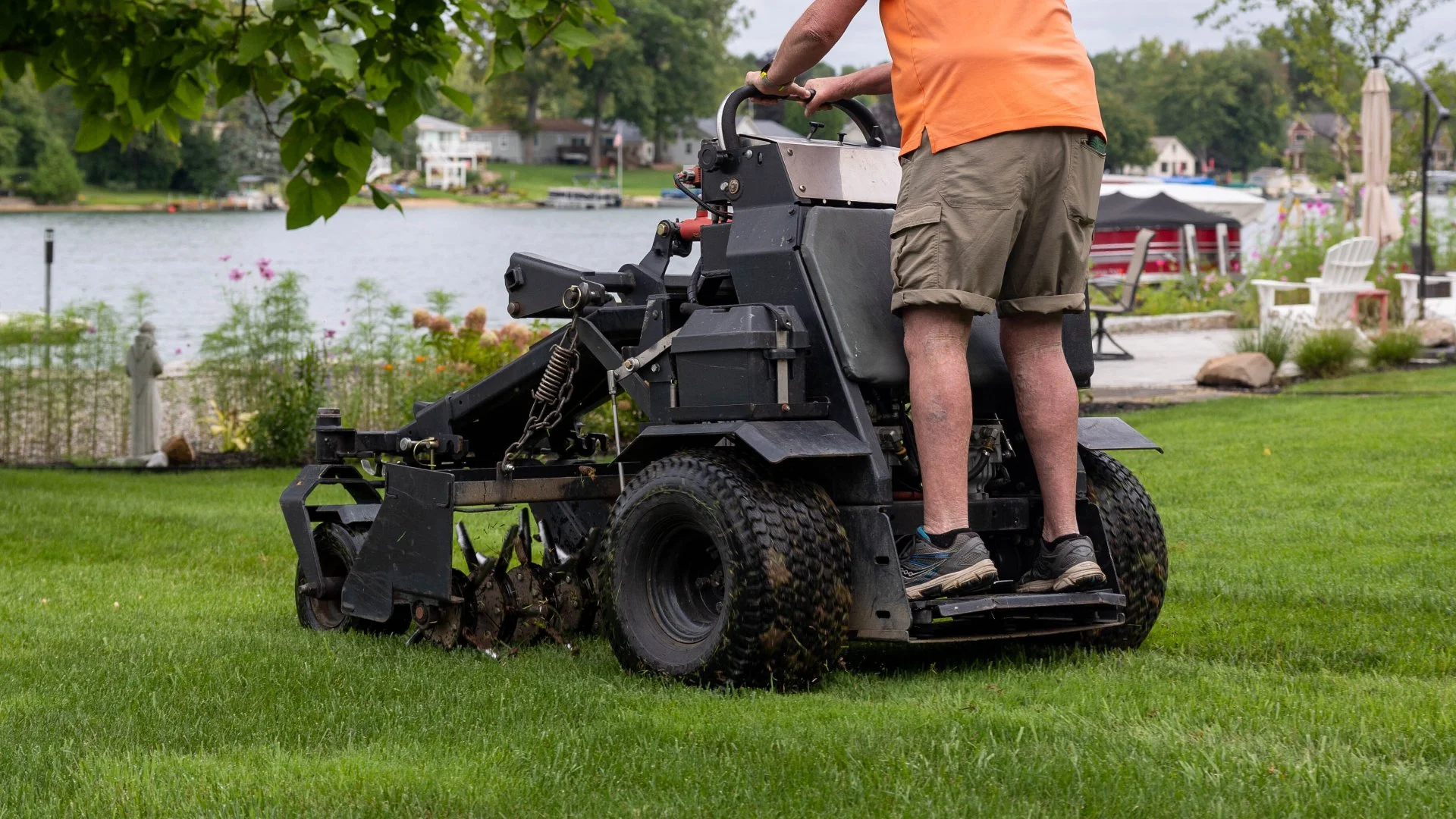
Tines need moist soil to pull cores without shattering dry clay into dust. Too wet profiles smear holes shut on heavy clay and negate the benefit along drive lanes.
Irrigate lightly one to two days before service when soil is powder dry. Skip aeration during saturated weeks when footprints sink deeper than aeration would help.
Technicians often split properties into zones by moisture because downspout lows and sunny aprons dry unevenly on the same visit.
West Michigan glacial clay, lake effect moisture, and cool season turf change how the same symptom looks from one Grand Rapids suburb to the next. Photograph sun bands, irrigation overlap, and recent traffic before you lock a product choice. Tuff Turf aligns lawn care, pest control, and animal control across Kent, Ottawa, and Allegan counties from field evidence on real residential lots.
Combining aeration with overseed and lime
Cores left on the surface can break down and feed soil biology when mowing follows recommended intervals. Overseed into open holes can thicken thin panels if water holds through establishment.
Lime applications sometimes follow aeration when soil tests show pH drift, but rate should match lab results rather than annual habit on clay that buffers slowly.
Stack core aeration, seed, and lime treatment only when tests and density goals align through planned lawn care rather than one weekend of unrelated products.
Traffic management after service
Heavy use on freshly cored clay compacts holes before they open. Keep delivery trucks and play equipment off treated panels for the recovery window your technician names.
Mow with sharp blades after cores break down to avoid tearing healed crowns. Bagging excessive core debris is rarely needed unless thatch volume interfered with tine depth.
Share dog paths, mower rut maps, and irrigation notes when scheduling core aeration. Tuff Turf matches equipment and pattern to real West Michigan suburban layout.
When aeration is not the first step
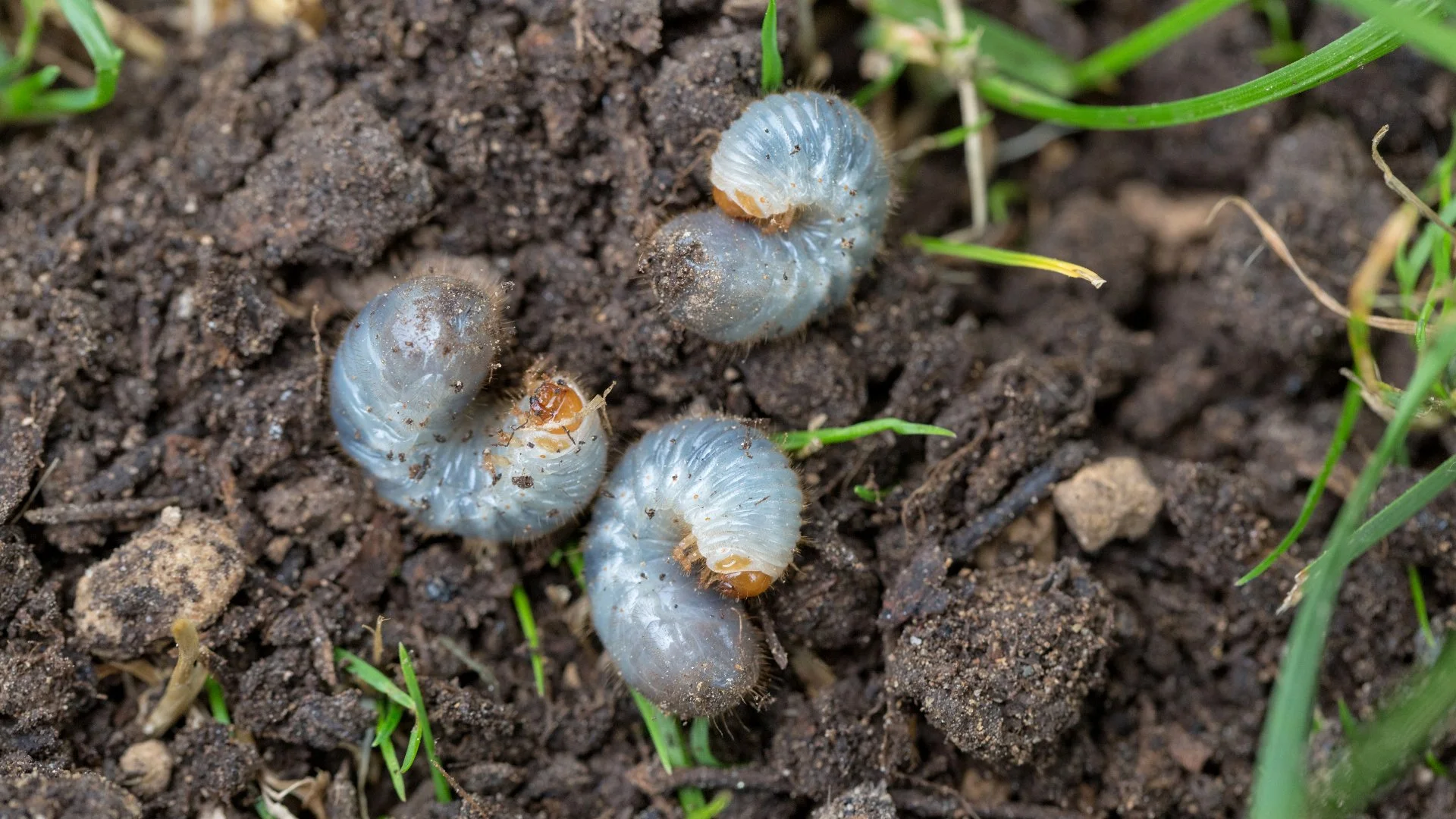
Active grub peel, severe drought dormancy, or fresh mole networks may need resolution before mechanical coring makes sense. Name the leading stressor before renting equipment for a dry July afternoon.
Severely thin salted parkways may need salt recovery planning before cores open soil that still holds chloride at depth.
West Michigan glacial clay, lake effect moisture, and cool season turf change how the same symptom looks from one Grand Rapids suburb to the next. Photograph sun bands, irrigation overlap, and recent traffic before you lock a product choice. Tuff Turf aligns lawn care, pest control, and animal control across Kent, Ottawa, and Allegan counties from field evidence.
Disclaimer: This article is for general informational purposes only. It is not professional advice, a quote, or a service agreement. Conditions at your home or property may differ; contact a qualified professional for an on-site evaluation before making repair, safety, or spending decisions.
Need Professional Help?
Our experienced team is ready to help you achieve the lawn of your dreams. Contact us today for a free estimate!