Japanese Beetle Feeding on Hybrid Tea Roses
Why roses show damage before turf
Japanese beetles favor soft, fragrant tissue on roses, linden, and grape before they thin turf blades on the same property. Hybrid tea forms with open blooms and thin leaves can look shredded within days.
Sunny beds beside drive aprons warm faster than north foundation plantings. Beetles aggregate on the warmest leaves and release feeding cues that attract more adults during peak flight windows.
Grand Rapids homeowners often notice roses first while Kentucky bluegrass nearby still holds color. The order of symptoms does not mean lawn injury will stay mild all season.
West Michigan glacial clay, lake effect moisture, and cool season turf change how the same symptom looks from one Grand Rapids suburb to the next. Photograph sun bands, irrigation overlap, and recent traffic before you lock a product choice. Tuff Turf aligns lawn care, pest control, and animal control across Kent, Ottawa, and Allegan counties from field evidence on real residential lots.
Lawn and landscape overlap zones
Turf margins that meet rose beds, mailbox islands, and brick walks create dual habitat. Beetles rest in turf thatch and feed on ornamentals within short flights, especially on irrigated clay that stays workable.
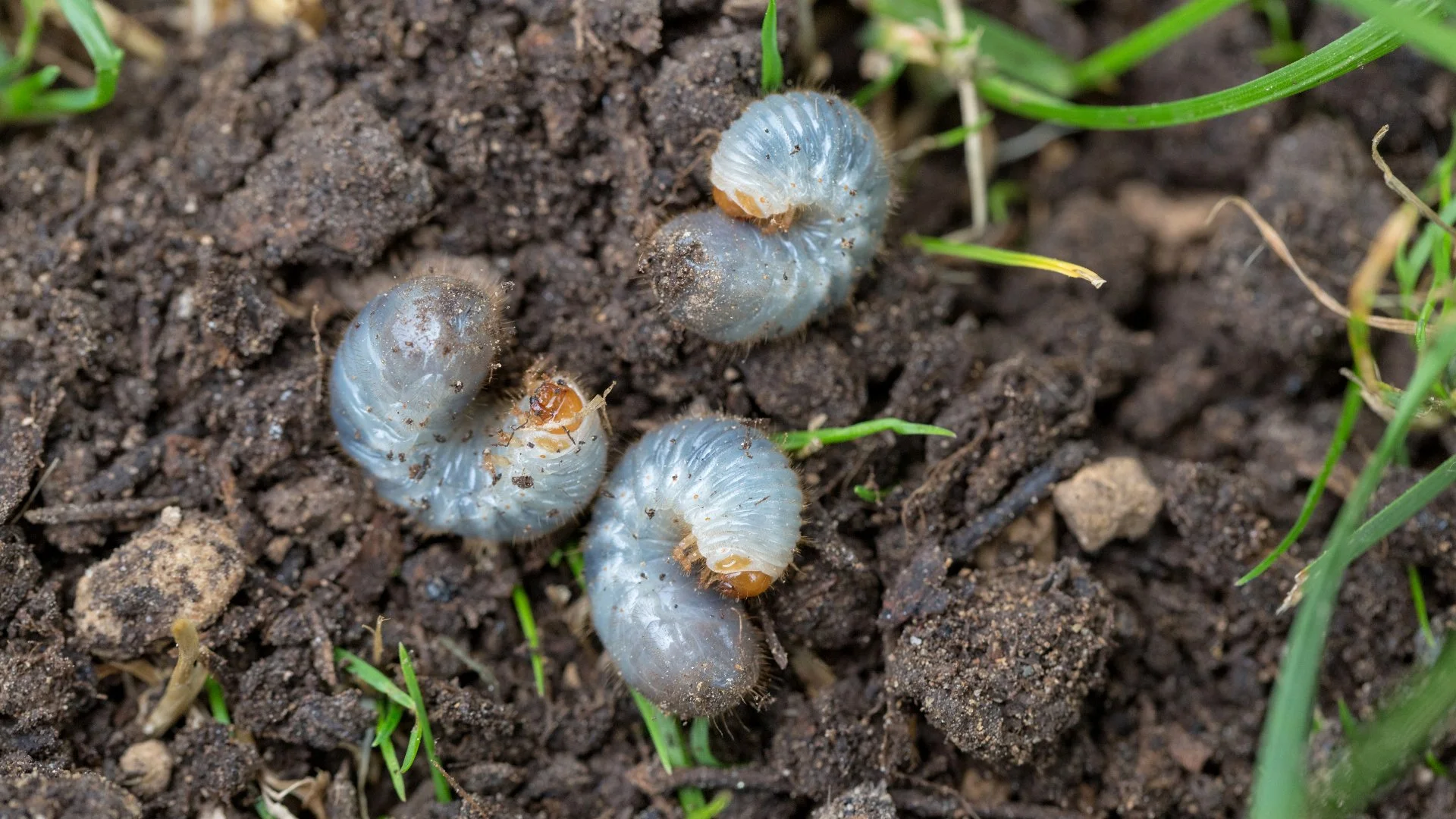
Thin turf along the same bed edge may show parallel skeletonizing on grass blades by late summer even when July color looked acceptable from the street.
Perimeter pest control conversations make more sense when rose damage, turf feeding, and irrigation overlap are mapped on one sketch instead of treated as unrelated weekend fixes.
West Michigan glacial clay, lake effect moisture, and cool season turf change how the same symptom looks from one Grand Rapids suburb to the next. Photograph sun bands, irrigation overlap, and recent traffic before you lock a product choice. Tuff Turf aligns lawn care, pest control, and animal control across Kent, Ottawa, and Allegan counties from field evidence on real residential lots.
Hand picking and timing tradeoffs
Morning knocking beetles into soapy water reduces pressure on prized roses when populations are moderate. Mid day heat sends beetles deeper into shade plants and turf crowns where hand work is less effective.
Pheromone traps can pull beetles from neighboring lots toward your trap line if placement is wrong. Trap strategy belongs in the same plan as rose protection, not as a standalone silver bullet.
Beetle flight on West Michigan clay lots often spikes after warm rains that soften soil for egg laying in turf. Note those weather weeks when scheduling rose protection and lawn monitoring.
West Michigan glacial clay, lake effect moisture, and cool season turf change how the same symptom looks from one Grand Rapids suburb to the next. Photograph sun bands, irrigation overlap, and recent traffic before you lock a product choice. Tuff Turf aligns lawn care, pest control, and animal control across Kent, Ottawa, and Allegan counties from field evidence on real residential lots.
Protecting roses without ignoring turf
Foliar products labeled for ornamentals may not address larvae developing in turf below the same bed. Lawn feeders and rose feeders share species even when visible damage differs.
Soil moisture that keeps roses lush also keeps turf attractive for egg deposition. Deep, infrequent irrigation on open panels may differ from daily mist at bed edges that beetles prefer.
Coordinate weed control and lawn fertilization timing with rose care when both zones share beetles. Conflicting product windows on the same weekend create frustration on properties with mixed plantings.
Recovery and plant health after peak flight
Roses can push new leaves after skeletonizing if crowns are healthy and beetles subside. Late summer stress on weak plants may need selective pruning rather than repeated foliar rescue alone.
Turf beside damaged beds may need density review before winter. Thin panels invite weed and insect pressure the following spring on clay that compacts along foot paths.
Share rose cultivar names, sun hours, and turf species through contact when planning integrated visits. Tuff Turf serves West Michigan landscapes where lawn and ornamentals share pest pressure.
When beetle years feel heavier than memory suggests
Local flight varies with regional heat, moisture, and neighboring turf habitat. A heavy year on one Grand Rapids block may look moderate two miles away on sandier soil.
Document peak weeks with photos so next season protection starts before roses open, not after first skeletonizing appears.
West Michigan glacial clay, lake effect moisture, and cool season turf change how the same symptom looks from one Grand Rapids suburb to the next. Photograph sun bands, irrigation overlap, and recent traffic before you lock a product choice. Tuff Turf aligns lawn care, pest control, and animal control across Kent, Ottawa, and Allegan counties from field evidence.
Disclaimer: This article is for general informational purposes only. It is not professional advice, a quote, or a service agreement. Conditions at your home or property may differ; contact a qualified professional for an on-site evaluation before making repair, safety, or spending decisions.
Need Professional Help?
Our experienced team is ready to help you achieve the lawn of your dreams. Contact us today for a free estimate!