Grub Lawn Damage or Digging Mammals
Flipped chunks versus carpet peel
Raccoon and skunk feeding leaves punched holes, flipped divots, and scattered soil clumps after wet nights. Grub injury more often shows carpet like peel with irregular tan patches when turf is dry enough to test.
Photograph whether chunks face upward with claw marks or whether sod lifts as a sheet with roots attached. The shape of disruption is the first split before chemistry enters the conversation.
Kentwood lawns torn after rain look alarming from the porch even when larvae were never the primary food source. Earthworms in soft clay pull wildlife even on properties with strong turf color.
West Michigan glacial clay, lake effect moisture, and cool season turf change how the same symptom looks from one Grand Rapids suburb to the next. Photograph sun bands, irrigation overlap, and recent traffic before you lock a product choice. Tuff Turf aligns lawn care, pest control, and animal control across Kent, Ottawa, and Allegan counties from field evidence on real residential lots.
Wildlife timing on Michigan clay
Late summer and early fall rains soften clay along wood lines, mulch beds, and irrigated zones. Mammals work those panels when soil is easy to dig, not only when grub counts peak.
Birds tearing sod in daylight often follow worm or grub pockets revealed after night feeders visited the same band. Map sequential damage with dates before assuming one species owns the problem.
Soft soil from overwatering can concentrate feeding near patios where late season cookouts keep lights and moisture high. Fix water rhythm before repeating grub control without evidence.
West Michigan glacial clay, lake effect moisture, and cool season turf change how the same symptom looks from one Grand Rapids suburb to the next. Photograph sun bands, irrigation overlap, and recent traffic before you lock a product choice. Tuff Turf aligns lawn care, pest control, and animal control across Kent, Ottawa, and Allegan counties from field evidence on real residential lots.
Square lift tests that change the plan
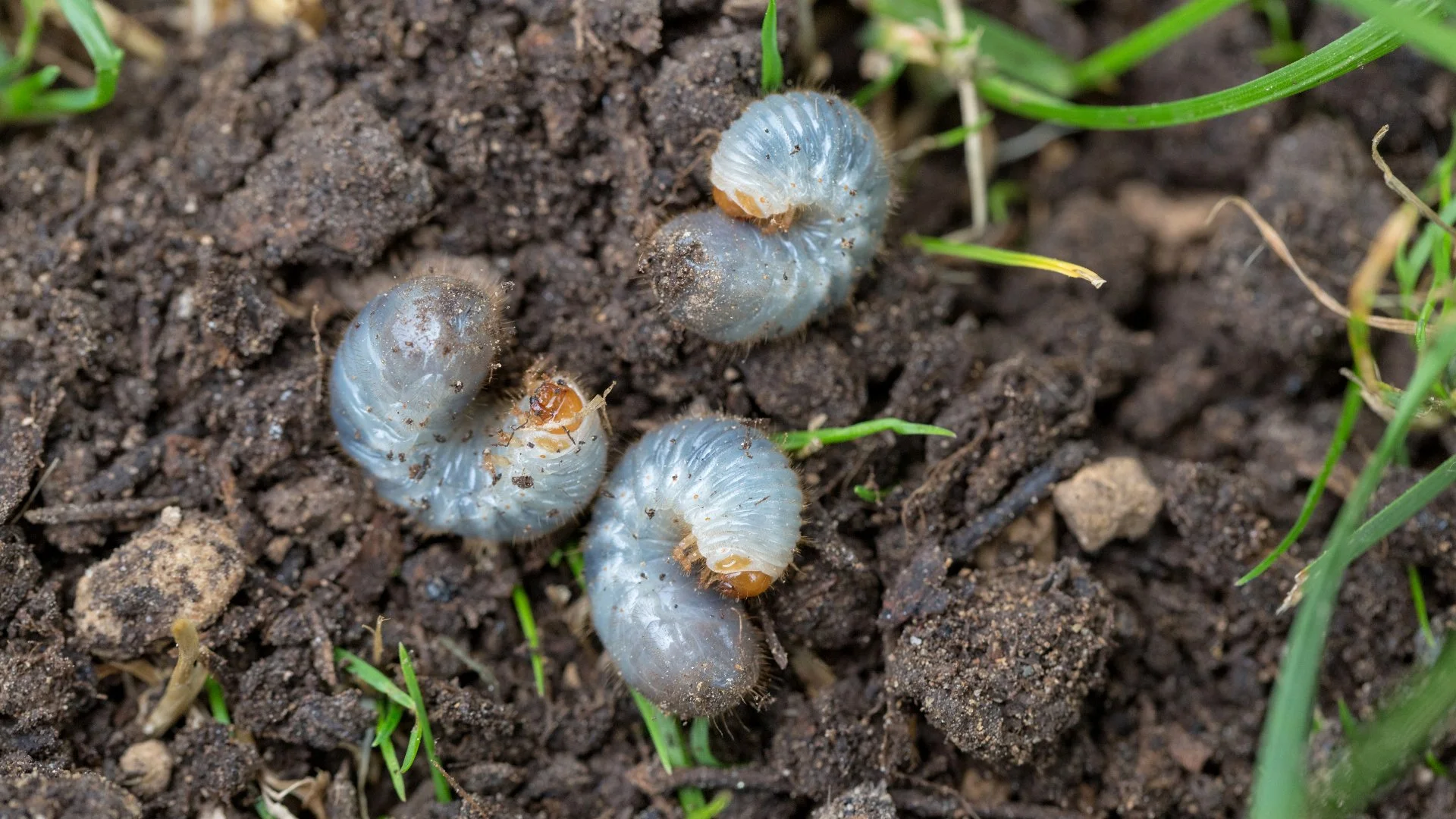
Cut three sides of a one foot square at a torn edge. Peel turf gently when soil is moderately dry. Count larvae in the upper root zone and note root attachment to soil.
No larvae with firm roots and worm castings visible often means wildlife or mechanical tear, not curative insect work. Heavy larvae with spongy peel justify targeted conversation about timing and turf recovery.
Tuff Turf documents lift results on Grand Rapids area lawns before recommending grub control across panels that never showed larval pressure.
West Michigan glacial clay, lake effect moisture, and cool season turf change how the same symptom looks from one Grand Rapids suburb to the next. Photograph sun bands, irrigation overlap, and recent traffic before you lock a product choice. Tuff Turf aligns lawn care, pest control, and animal control across Kent, Ottawa, and Allegan counties from field evidence on real residential lots.
Skunk and raccoon habits beside cool season turf
Skunks work smaller holes with precise edges. Raccoons roll larger divots and may peel wide strips on hybrid bluegrass when soil is saturated. Both favor edges near compost, wood piles, and unsecured trash.
Grub programs do not stop mammals from hunting worms on the same night. Exclusion, habitat cleanup, and realistic expectations belong beside any insect strategy on suburban lots.
When damage repeats after every rain, pair animal control review with lawn recovery planning rather than assuming another blanket grub application will silence nocturnal feeding.
Repair sequencing after the cause is named
Reseeding on torn panels before mammals leave the food source buys smooth color for a few weeks and torn soil again after the next storm. Identify feeding pattern first.
Compacted clay along flipped edges may need aeration planning once soil firms, not immediate heavy topdress on wet profiles. Mow carefully over repaired zones until roots anchor.
Call (616) 554-9499 with dated photos of holes, lift test results, and irrigation notes from the damage week. Integrated lawn care routes recover faster when grub, wildlife, and water stories are separated.
Avoiding double treatment mistakes
Treating grubs because wildlife made a mess is how homeowners buy chemistry for earthworms. Treating wildlife routes as grub failure without lift tests delays the real fix on Michigan clay.
Uncertain cases stay uncertain until someone counts larvae or maps repeat mammal visits across two wet cycles. Neighbor chat about what worked on sand rarely matches your clay panel.
West Michigan glacial clay, lake effect moisture, and cool season turf change how the same symptom looks from one Grand Rapids suburb to the next. Photograph sun bands, irrigation overlap, and recent traffic before you lock a product choice. Tuff Turf aligns lawn care, pest control, and animal control across Kent, Ottawa, and Allegan counties from field evidence.
Disclaimer: This article is for general informational purposes only. It is not professional advice, a quote, or a service agreement. Conditions at your home or property may differ; contact a qualified professional for an on-site evaluation before making repair, safety, or spending decisions.
Need Professional Help?
Our experienced team is ready to help you achieve the lawn of your dreams. Contact us today for a free estimate!