Snow Mold Discoloration After Long Cover
Why snow piles change spring color
Snow that sits for weeks on cool season turf shades crowns and holds moisture against leaves. Fungus can develop under cover even when air temperatures stayed cold during the winter.
Plowed banks along drives and shaded fence lines melt later than open panels. Those bands show matted grass and bleached arcs when cover finally leaves in March or April.
Grand Rapids winters with extended snow pack on north lawns produce spring maps that do not match south exposures on the same lot. Compare similar sun zones before assuming total lawn death.
West Michigan glacial clay, lake effect moisture, and cool season turf change how the same symptom looks from one Grand Rapids suburb to the next. Photograph sun bands, irrigation overlap, and recent traffic before you lock a product choice. Tuff Turf aligns lawn care, pest control, and animal control across Kent, Ottawa, and Allegan counties from field evidence on real residential lots.
Pink versus gray patterns
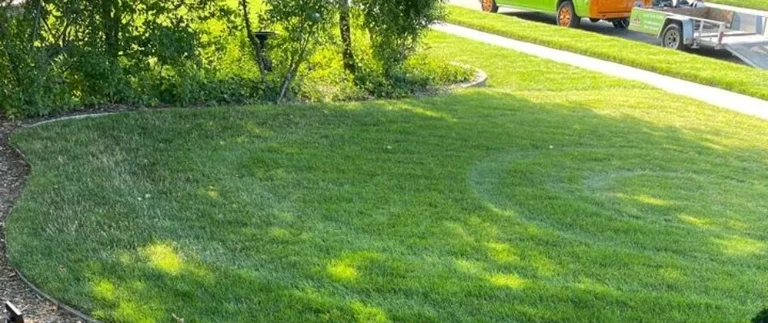
Pink snow mold often leaves coppery or salmon cast on matted blades with visible webbing in morning dew. Gray snow mold may show circular bleached areas with less vivid color but similar matting.
Both favor prolonged cover and succumb to sunlight and air movement when snow leaves, though severe mats may need light raking to speed drying on clay that drains slowly.
Serious widespread matted areas belong in review for lawn disease control before aggressive fertilizer pushes soft growth on already stressed crowns.
West Michigan glacial clay, lake effect moisture, and cool season turf change how the same symptom looks from one Grand Rapids suburb to the next. Photograph sun bands, irrigation overlap, and recent traffic before you lock a product choice. Tuff Turf aligns lawn care, pest control, and animal control across Kent, Ottawa, and Allegan counties from field evidence on real residential lots.
Clay drainage and slow spring dry down
Heavy clay keeps lower cells saturated after snow melt while surface crust dries. Mats that stay wet invite secondary issues while neighboring sandier lots green evenly.
Avoid heavy foot traffic on soft mats that have not dried. Raking lightly when soil firms can help air reach crowns without tearing weakened turf on wet profiles.
Holland and Grandville low spots with standing ice layers into late winter often show the worst mats exactly where summer moss also appears. Drainage history belongs in the same file.
West Michigan glacial clay, lake effect moisture, and cool season turf change how the same symptom looks from one Grand Rapids suburb to the next. Photograph sun bands, irrigation overlap, and recent traffic before you lock a product choice. Tuff Turf aligns lawn care, pest control, and animal control across Kent, Ottawa, and Allegan counties from field evidence on real residential lots.
Fertilizer and recovery timing
Spring nitrogen on matted snow mold panels can push weak blades before crowns dry. Wait for firm footing and visible new growth on similar sun zones before heavy feeding.
Early fall density programs often reduce snow mold severity the following spring because thicker turf resists matting better than thin stands under long cover.
Pair lawn fertilization with realistic spring recovery steps rather than treating pink cast as a single product emergency on Michigan clay.
Plow damage stacked on mold
Salt and plow scrapes along edges compound matting where snow piles sat. Separate mechanical injury from fungal cast by checking blade abrasion and soil smear on the same band.
Reseeding may be needed on torn parkway strips even when center panels recover from mold alone. Photograph both storylines before planning spring work.
Call (616) 554-9499 with mat photos, snow pile locations, and last fall density notes. Tuff Turf aligns recovery lawn care with what West Michigan winters actually left on your panels.
When mats persist into May
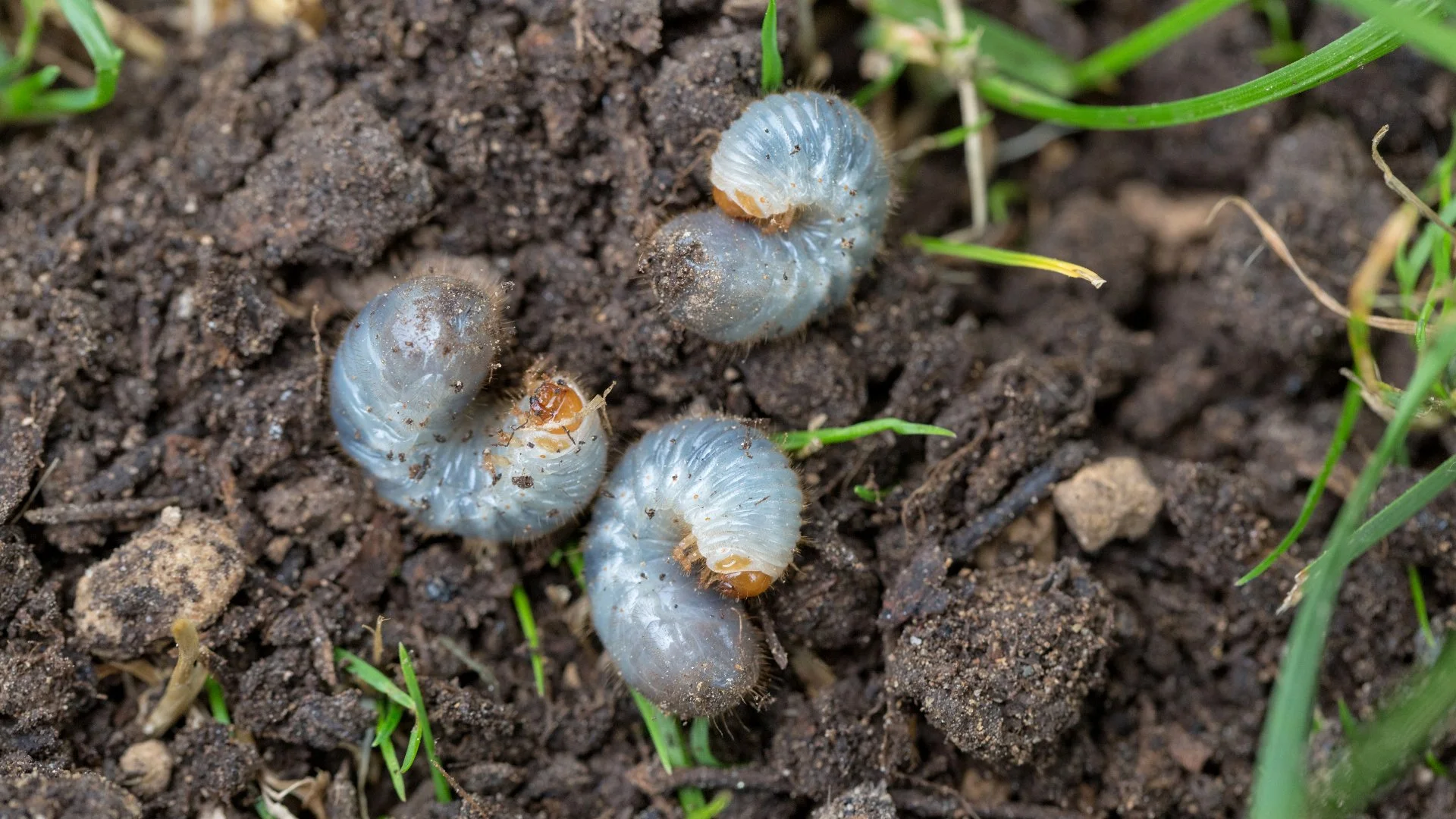
Persistent tan rings after warm dry weeks may indicate crown injury, grub history, or compaction beneath mats, not active snow mold alone. Lift tests and soil probe notes clarify next steps.
Uncertainty is normal on shaded lots with tree drip and piled snow from roof slides. Map those zones separately from open turf that greened normally.
West Michigan glacial clay, lake effect moisture, and cool season turf change how the same symptom looks from one Grand Rapids suburb to the next. Photograph sun bands, irrigation overlap, and recent traffic before you lock a product choice. Tuff Turf aligns lawn care, pest control, and animal control across Kent, Ottawa, and Allegan counties from field evidence.
Disclaimer: This article is for general informational purposes only. It is not professional advice, a quote, or a service agreement. Conditions at your home or property may differ; contact a qualified professional for an on-site evaluation before making repair, safety, or spending decisions.
Need Professional Help?
Our experienced team is ready to help you achieve the lawn of your dreams. Contact us today for a free estimate!