Which Lawn Care Services Do You Actually Need?
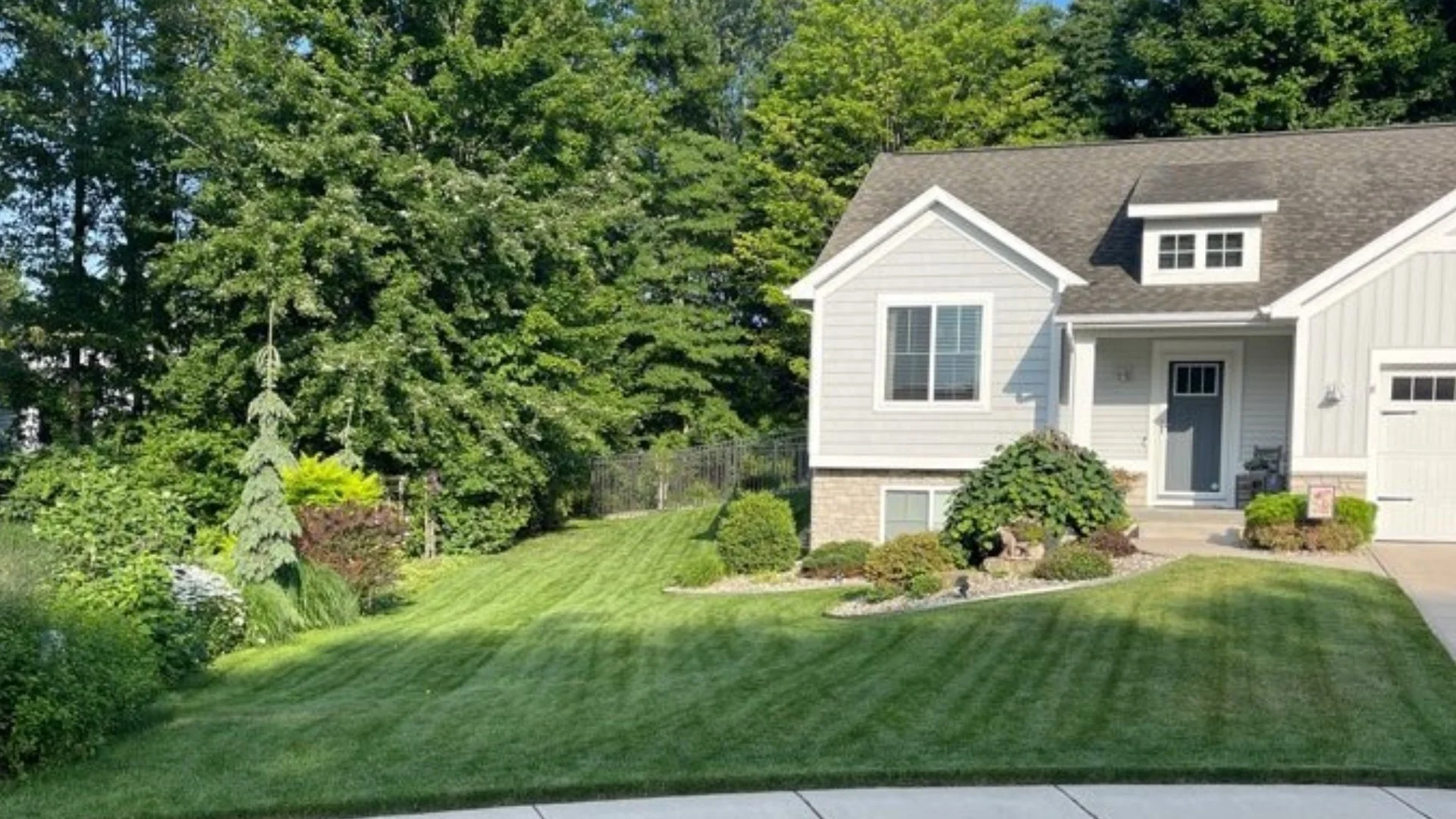
If you’ve ever looked at your yard and thought, “Do I need mowing, fertilizer, pest control, or all of it?” you’re not alone. Lawn care services can sound like one big catch-all phrase, but it really just means the mix of work that keeps your grass, plants, and outdoor areas healthy, usable, and good-looking, without paying for a bunch of stuff your property doesn’t need.
That’s the whole point here: not every yard needs every service. Your goal is to match the right services to the problems you actually have, the time you want back, and the kind of property you want to come home to.
Here’s what you’ll learn in this guide:
- What lawn care services actually include
- How to read the signs in your yard
- Which services most properties need
- Which treatments only matter when problems show up
- When pest, mole, vole, and plant health services make sense
- How service needs change in western Michigan
- How often each service is usually needed
- What affects price and how to compare estimates
- How to choose between DIY and hiring a pro
- Simple service packages that fit real properties
What “lawn care services” actually means
Lawn care services cover the work that keeps your outdoor spaces maintained and healthy. That can include routine mowing and trimming, turf treatments like fertilization and weed control, pest control around the lawn and home, plant health care for shrubs and trees, and targeted animal control for problems like moles and voles.
Here’s the thing: people often use “lawn care” to mean everything outside. That’s where confusion starts. If you assume one company visit handles grass, insects, shrubs, and underground animal damage, you can end up disappointed or overpaying.
A better way to think about it is in layers. One layer keeps your property neat. Another improves lawn health. Another solves specific problems when something goes wrong.
Lawn care vs. landscaping vs. plant health care
Lawn care usually focuses on turf and routine upkeep. Think mowing, edging, trimming, fertilization, weed control, and seasonal cleanups.
Landscaping is different. That’s more about design and installation: beds, mulch, hardscaping, new plantings, grading, and bigger visual changes. If you want a fresh front walkway bed or a new retaining wall, that’s landscaping.
Plant health care sits in its own lane. It focuses on the health of trees, shrubs, and ornamental plants. If a hydrangea is yellowing, an arborvitae is thinning out, or a maple looks stressed by midsummer, that’s not really a mowing problem. It’s a plant health issue.
The goal: build a service plan that fits your property
The smartest approach is not to buy an all-in package just because it exists. The smartest approach is to build a practical service plan around what your property needs right now.
Maybe your yard already has decent turf, but the mowing gets away from you every week. Maybe the grass is thin and full of weeds, so treatments matter more than trimming. Maybe the real headache is mosquito pressure near the back patio or soft raised tunnels tearing through the side yard.
Think in terms of results. Do you want to save time, fix obvious damage, keep up appearances, or solve a pest issue that’s making the yard less usable? Once you answer that, the right mix gets much easier to spot.
Start with what your lawn is telling you
Before you book anything, take a look at what your yard is already saying. Most properties give pretty clear signals if you know what to notice.
You don’t need a clipboard or a soil science degree. A simple walk from the driveway to the back fence will usually tell you whether you need basic upkeep, turf treatment, pest control, or something more targeted.
Signs your lawn needs basic maintenance
Some signs are obvious. Grass is too tall, edges are fuzzy, clippings are clumping, and sidewalks are starting to disappear into the turf. The yard doesn’t necessarily have a health crisis. It just looks neglected.
You may also notice patchy areas caused by inconsistent mowing or missed watering, especially in places that get more sun than the rest of the lawn. If the care has been on-and-off for a while, weeds can start filling any gaps.
Basic maintenance solves a lot more than people think. A lawn that gets cut correctly and consistently usually looks better fast, even before any treatment program starts.
Signs you need more than mowing
Mowing won’t fix turf that is thin, yellowing, compacted, or getting chewed up by insects or animals. If the lawn has bare spots that don’t fill back in, weeds dominating large sections, or areas that feel hard underfoot, there’s probably a deeper issue.
Watch for discoloration that doesn’t make sense after rain, grass that peels up too easily, circular patches, soft ridges from tunneling, or narrow runways near beds and foundations. Shrubs can tell a similar story. Sparse leaves, dead tips, chewed foliage, or weak flowering usually point to stress, disease, insects, or root problems.
At that point, paying only for mowing is like washing a car with a flat tire. It helps the surface, but it doesn’t solve the problem.
A quick yard walk that saves you money
Take ten minutes and walk the property slowly. Start at the curb or driveway, move along the front walk, circle the house, and then cross the backyard. Look down, then look out.
Notice turf thickness, weed pressure, edges, low spots, discolored patches, tunnels, mulch line damage, and plant condition. Check shaded areas and spots along fences, because problems often start there. After a long Grand Rapids winter, spring damage tends to show up first in matted, damp areas where snow sat for weeks.
Write down the top two issues you see. Not ten. Two.
That short list keeps you from buying services based on vague worry. You’re fixing visible problems, not shopping for every possible treatment.
The core lawn care services most properties need
Most properties need a base layer of care before anything fancy enters the picture. If the lawn isn’t being maintained consistently, every other service works harder than it should.
This base layer is simple: mowing, trimming and edging, and cleanup when debris starts smothering the turf or making the property look rough.
Lawn mowing
Professional mowing is more than making the grass shorter. It includes cutting at the right height, on the right schedule, with cleaner results than a rushed Saturday pass around the yard.
Height matters a lot. Grass cut too short loses stress tolerance, dries out faster, and leaves room for weeds to move in. Grass kept too long between cuts can get scalped, clump, or lay over unevenly after mowing. The sweet spot depends on the turf type and season, but the bigger point is consistency.
Recurring mowing makes sense when your schedule is packed, your property is larger than it looks on paper, or the lawn grows faster than you can stay ahead of. In western Michigan’s active growing stretch, skipping even one cycle can make the yard look sloppy fast.
Edging and trimming
This is the finishing work that changes the appearance of a property almost immediately. Trimming cleans up grass around fences, trees, posts, and beds. Edging defines the line along sidewalks, driveways, and curbs.
The result is similar to making the bed in a messy room. Nothing about the room changed structurally, but everything looks more put together.
If your lawn is decent but never looks sharp, edging and trimming may be the missing piece. Without them, even a freshly mowed yard can still read as untidy.
Cleanup and debris removal
Leaves, sticks, seed pods, storm debris, and old clippings can pile up quietly until they start causing problems. Thick debris blocks sunlight, traps moisture, and smothers grass underneath.
Seasonal cleanup matters most in spring and fall, but it also matters after storms and windy weeks. The goal is not just neatness. It’s keeping the lawn open enough to breathe, dry, and grow evenly.
For many properties, especially under mature trees, cleanup is one of those services that feels optional until it’s overdue. Then it suddenly matters a lot.
The lawn treatments that make the biggest difference
Once the maintenance side is handled, treatments are where lawn health really changes. These services improve color, density, recovery, and weed resistance over time.
Not every treatment belongs on every property, but a few make a visible difference on most lawns in western Michigan.
Fertilization
Fertilization feeds the grass so it can grow thicker, greener, and recover better from stress. In plain English, it helps the lawn fill in, bounce back, and compete better against weeds.
A hungry lawn often looks washed out, thin, or slow to recover after heat, foot traffic, or winter damage. A good fertilization program supports stronger roots and steadier growth across the season.
The key is timing and balance. Too little feeding does almost nothing. Too much, or the wrong timing, can push weak growth or create more stress than help. What you care about is the result: better color, fuller turf, and less struggle after rough weather.
Weed control
Weed control keeps unwanted plants from stealing space, water, and nutrients from your grass. Broadleaf weeds like dandelions and clover are the obvious ones. Crabgrass is another common frustration, especially in thin or stressed lawns.
If weeds are scattered here and there, spot treatment may be enough. If they’re spread across big sections of the yard, a full program usually makes more sense.
The catch is that weeds are often a symptom, not just a nuisance. If turf is thin, compacted, or underfed, weeds have room to move in. Killing weeds without improving the lawn underneath can turn into a repeat problem every season.
Aeration
Aeration relieves soil compaction by pulling small plugs from the lawn, giving roots more room to breathe, grow, and take in water and nutrients. If that sounds technical, think of it like loosening a packed suitcase so everything inside has space again.
Lawns in western Michigan often benefit from aeration because soil can get compacted from snow cover, foot traffic, heavy mowing equipment, and clay-heavy conditions in some areas. Compacted ground sheds water, limits root growth, and leaves turf struggling even when you’re doing other things right.
After aeration, the lawn may look a little rough for a short time because of the plugs. That’s normal. The longer-term payoff is better root growth, improved water movement, and stronger overall turf.
Overseeding
Overseeding adds grass seed to an existing lawn to thicken thin areas, improve uniformity, and help worn sections fill back in. It works especially well after aeration, when seed has better contact with the soil.
This is a repair and improvement service, not a miracle rebuild. If half the lawn is failing because of drainage, shade, disease, or severe neglect, overseeding alone won’t fix it.
But for lawns that are mostly functional and just look tired, thin, or uneven, overseeding can make a big visual difference. It’s one of the better ways to move from “surviving” to “actually looks good.”
Services you need only when a problem shows up
Not every lawn needs every treatment plan. That’s worth saying clearly because a lot of property owners assume any brown patch or rough area means signing up for everything.
Some services make sense as part of routine care. Others matter only when a specific problem appears and points in that direction.
Grub control and lawn insect treatments
Grubs and other lawn insects can damage roots and weaken turf, but not every patch of brown grass is an insect problem. Drought stress, mowing too short, compacted soil, and disease can look similar at first glance.
A stronger clue is turf that lifts easily, almost like loose carpet. Chewing damage, thinning that spreads quickly, or animal digging in one area can also point toward insect activity below the surface.
That’s where diagnosis matters. Treating for grubs when the real issue is heat stress wastes money. Ignoring grubs because you assume it’s just dry weather can leave you with a bigger repair job later.
Lawn disease treatment
Lawn disease is usually fungal, and it tends to show up as rings, spots, matted sections, or sudden decline that doesn’t fit the weather pattern. Sometimes the lawn looks greasy or water-soaked. Sometimes it just collapses in oddly shaped patches.
Timing matters here. Disease treatment works best when the issue is recognized early and addressed before it spreads through stressed turf.
If you notice unusual patterns after humid weather, prolonged moisture, or snowmelt, don’t assume it will clear up on its own. Some problems do fade. Others leave bare sections that take much longer to restore.
Soil testing and pH correction
If the lawn keeps struggling despite regular mowing, feeding, and weed control, the problem may be in the soil itself. Soil testing checks what the turf is actually growing in, including nutrient balance and pH, which is the measure of how acidic or alkaline the soil is.
When pH is off, the lawn can have trouble taking up nutrients even if you’re applying them. That’s frustrating because it can look like treatments “aren’t working” when the root issue is underneath.
Soil testing makes the most sense when the yard has stubborn underperformance, repeated patchiness, or inconsistent results from standard care. It’s less about routine and more about solving a mystery.
Pest control around the lawn and home
Sometimes the lawn is only part of the problem. Outdoor pests around the house, patio, foundation, or yard edges can make the whole property less comfortable to use.
This is where lawn care overlaps with pest control in a practical way. You’re not buying an encyclopedia of treatments. You’re deciding what makes the property easier to enjoy.
Perimeter pest control
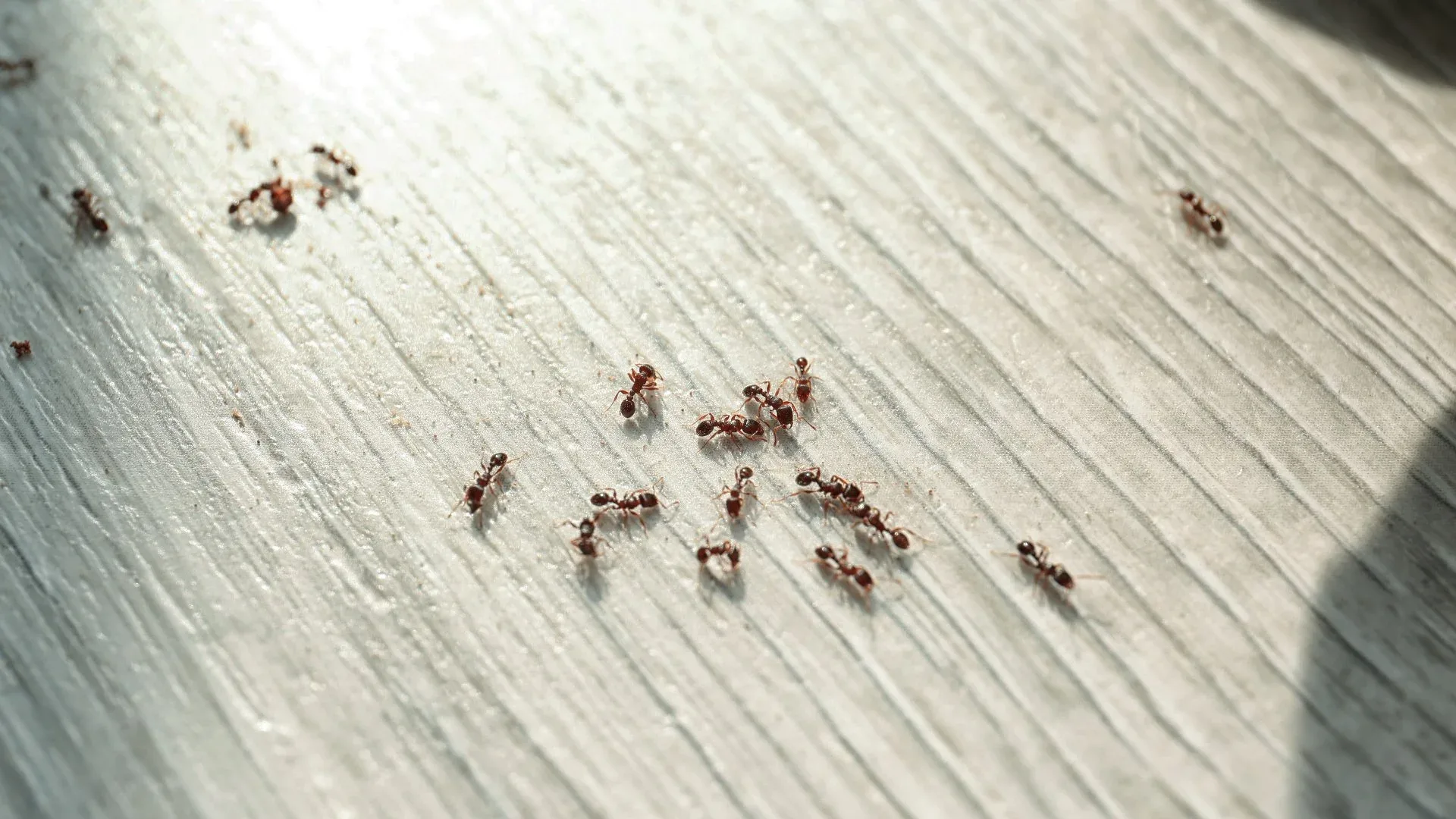
Perimeter pest control targets crawling pests around foundations, entry points, garages, patios, and other transition areas between the lawn and the home. Ants, spiders, earwigs, and other nuisance pests tend to show up here first.
Recurring service is worth it when you’re seeing repeat activity, especially during warmer months or around problem zones like mulch beds against the house, garage corners, and patio edges.
If the issue is occasional and isolated, a one-time treatment may be enough. If pests keep coming back, a seasonal perimeter plan usually saves more frustration than trying to chase each outbreak separately.
Mosquito and tick control
Mosquito and tick control becomes worth it when you start avoiding your own yard. That’s the simplest test.
If evenings on the patio turn into swatting sessions, if shaded areas feel unusable in summer, or if your property backs up to woods, brush, or damp areas, treatment can make outdoor time noticeably better. The same goes for tick-prone areas along tree lines, tall grass edges, and leaf litter.
This isn’t just about comfort. For many properties, especially with pets or frequent outdoor use, reducing mosquito and tick pressure changes how often you actually use the backyard.
Flea and other nuisance pest treatments
Some outdoor pest problems are smaller in scale but still irritating enough to address. Fleas in pet areas, stinging insect activity near gathering spaces, or clusters of nuisance pests around certain beds or structures can all justify targeted treatment.
The trick is to stay practical. You don’t need a long list of pest services by default. You need treatment when a pest is affecting comfort, pets, or how the property functions.
Plant health care: when the problem Isn’t the lawn
A lot of properties have turf issues and plant issues at the same time, but one doesn’t automatically solve the other. A greener lawn won’t help a declining shrub border or a stressed ornamental tree.
Plant health care is the service category that deals with those problems directly.
What plant health care includes
Plant health care usually includes monitoring, diagnosis, fertilization for trees and shrubs, disease management, insect treatment, and root-zone support such as deep root feeding or soil improvement around landscape plants.
That sounds like a lot, but the idea is simple: keep valuable plants healthy before decline becomes obvious and expensive.
This matters most for established shrubs, privacy screens, flowering ornamentals, and mature trees that shape the look and function of your property. Once a plant has spent years growing into place, replacement is rarely the easy option.
Signs your shrubs and trees need help
Look for yellowing leaves, thinning canopies, bare interior branches, dead tips, spotting on leaves, chewed foliage, weak flowering, and branches that seem to stall out year after year.
Sometimes symptoms stay subtle for a while. A shrub may still be alive, but it stops looking full. A tree may leaf out, but not evenly. Those are early warnings, not cosmetic quirks.
The sooner the issue is identified, the easier it usually is to correct. Waiting until a row of arborvitae is half brown is a rough way to discover that plant health care would have helped months earlier.
Why healthy plants make the whole property look better
Healthy trees and shrubs frame everything else. They add privacy, soften the house, create shade, and make the lawn look more finished.
They also represent time. A mature shrub border or tree canopy took years to become what it is. Protecting that investment matters just as much as keeping the grass green.
When plants are healthy, the whole property looks calmer and more established. When they’re struggling, even a decent lawn can still make the place feel off.
Mole control and vole control: when tunnels and gnawing take over
This is one of the most misunderstood service categories, especially in western Michigan where burrowing and gnawing damage can show up fast.
Moles and voles get mixed up constantly, but they cause different damage and need different solutions.
Moles vs. voles: what’s the difference?
Moles are tunnelers. You’ll notice raised ridges, soft runs, and sometimes mounds where the ground has been pushed up from below. The lawn can start feeling uneven underfoot, and the surface gets ugly quickly.
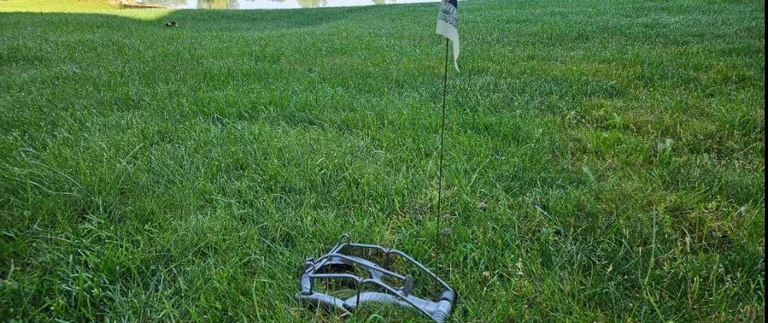
Voles are small rodents. Instead of tunneling deep, they create surface runways through grass and mulch and chew on roots, bark, bulbs, and low plants. Winter damage around shrubs and young trees is a common clue.
If you mix these up, the response can miss the problem completely. Raised ridges point one direction. Gnawing and surface trails point another.
Signs you need mole control
Soft raised tunnels across the lawn are the classic sign. You may also notice new ridges appearing overnight or sections of turf pushed up enough to interfere with mowing.
Even if the grass itself is still green, the yard starts looking rough fast. The damage is visual, physical, and annoying to walk across.
Once active tunneling spreads, quick treatment becomes much easier than waiting for a bigger network to form.
Signs you need vole control
Voles leave narrow runways through grass, especially near cover like mulch beds, shrubs, stone edges, or ornamental plantings. You may also notice gnaw marks at the base of shrubs and young trees.
Winter often reveals the problem in a nasty way. Snow cover gives voles protected travel routes, and by spring you’re left with chewed bark, damaged roots, and odd tracks where the lawn used to be clean.
If your plantings seem to decline for no clear reason, especially low shrubs and newer woody plants, vole activity deserves a closer look.
Why quick action matters
Animal damage spreads. That’s the bottom line.
Mole tunneling disrupts the lawn more each day it continues. Vole feeding can injure roots and bark enough to weaken or kill plants, especially ones already stressed by weather, drought, or poor soil.
The longer you wait, the more likely the repair side grows beyond simple control. Instead of stopping activity early, you’re dealing with turf repair, plant recovery, or replacement.
Seasonal lawn care in western michigan
Your lawn doesn’t need the same thing in April that it needs in August. Western Michigan properties shift through very different conditions across the year, and the service plan should shift with them.
That seasonality matters a lot more here than in milder climates.
Spring services
Spring is cleanup and assessment season. Snowmelt reveals what winter did, and sometimes it isn’t pretty. After a long western Michigan winter, you may notice matted turf, snow mold damage, soggy spots, winter annual weeds, or vole trails you never saw under the snow.
This is the time for seasonal cleanup, first mowing, early fertilization, weed control, pest checks, and a general review of winter damage. If your lawn came through fine, great. If not, spring tells the truth quickly.
Summer services
Summer is about managing stress. Mowing height often needs adjustment, especially during heat, and irrigation habits matter more than most people think.
It’s also the season when grub activity, mosquito pressure, tick exposure, and general turf fatigue become more obvious. If the lawn starts thinning or fading, the cause needs a closer look before assuming it just needs more water.
Fall services
Fall is often the best season to improve turf. Cooler temperatures and more reliable moisture create better conditions for aeration, overseeding, fertilization, and recovery work.
Leaf cleanup matters too. Once leaves mat down, they block light and trap moisture in ways that hurt the lawn underneath.
If your yard needs strengthening, fall is usually the season to do the heavier lifting.
Winter and dormant-season concerns
Growth slows, but property care doesn’t disappear. Winter is when vole activity can build under snow cover, and trees and shrubs may need protection from feeding, exposure, or salt stress near walks and drives.
This quieter season is also the best time to think clearly about next year’s service list. Without active growth distracting you, it’s easier to remember what kept going wrong.
How to choose services based on your property type
A small city lot does not need the same service mix as a larger rural property or a commercial site. That sounds obvious, but it’s where a lot of service lists go off track.
The size, use, and layout of your property should guide the plan.
Small residential lots
On smaller properties, appearance-focused care often delivers the biggest payoff. Mowing, edging, trimming, weed control, and seasonal cleanup usually cover most of what matters.
Targeted extras come into play only if there’s a clear issue, like mosquitoes around a shaded patio, moles in a side yard, or shrubs showing stress along the foundation.
Larger yards and rural properties
Larger properties usually need more than just more mowing time. Soil conditions can vary across the lot, tree lines can increase tick and mosquito pressure, and burrowing animal issues tend to show up more often.
Perimeter pest control, mole or vole monitoring, and more intentional turf treatment often matter here because the property simply has more variation and more edge habitat where problems start.
Commercial properties
Commercial service priorities are different. Consistency matters more. So does safety, curb appeal, and reliable scheduling.
For offices, retail sites, HOAs, and similar properties, mowing quality, edging, weed control, cleanup, and predictable service timing often matter just as much as turf health. A property that looks uneven or poorly maintained sends a message, and not a good one.
How often you actually need lawn care services
One of the most common questions is how often lawn care services should happen. The answer depends on the service itself, not just the property.
Some tasks are recurring and appearance-based. Others follow seasonal timing. Some only happen when there’s a problem.
Weekly or biweekly services
Mowing, trimming, and edging usually fall into a weekly or biweekly rhythm during the growing season. Faster spring growth often calls for more frequent visits than slower stretches in summer or fall.
If visual consistency matters, weekly service usually keeps the yard looking cleaner and avoids those overgrown swings that make everything harder to fix afterward.
Monthly and program-based services
Fertilization, weed control, perimeter pest control, and plant health visits usually work on seasonal timing rather than weekly scheduling. The value comes from getting the treatment at the right point in the season, not from showing up constantly.
That timing is a big part of why these services are harder to wing casually. A treatment that is late, early, or skipped can lose a lot of effectiveness.
One-time or as-needed services
Aeration, overseeding, mole control, vole control, lawn disease treatment, and major cleanups are usually one-time or as-needed services.
That said, some problems repeat seasonally. If moles return every year or your lawn regularly needs fall aeration, the service may still be predictable even if it isn’t frequent.
What lawn care services cost and what affects price
Price matters, but raw price alone doesn’t tell you much. Two estimates can look similar and include very different work, timing, follow-up, and results.
A better question is what you’re actually paying for.
The biggest factors behind price
Property size is the obvious one, but it’s not the only factor. Terrain, fences, gates, slopes, tree density, obstacles, and access all change labor time and treatment difficulty.
So does problem severity. A lawn with light weed pressure is one thing. A lawn that’s half crabgrass, compacted, and tunnel-ridden is another. Routine care usually costs less than targeted repair because repair takes more diagnosis, more labor, and more follow-up.
Why the cheapest quote can cost more later
A low quote can hide skipped steps, rushed visits, poor timing, or no real follow-up if the issue doesn’t improve. That’s where cheap gets expensive.
If you end up redoing weed control, fixing scalped turf, or paying for second-round animal control because the first pass didn’t solve anything, the savings disappear quickly.
The goal isn’t to pay the most. It’s to avoid paying twice for the same problem.
How to compare estimates fairly
Look at the service list closely. What’s included in each visit? Is cleanup part of the job? Are retreatments available if a pest or weed issue persists? Is the timing seasonal and intentional, or just vague?
Also look for clarity on frequency and expected results. A good estimate should tell you what happens, when it happens, and what improvement should look like.
How to decide between DIY and hiring a pro
Some lawn care is completely reasonable to do yourself. Some of it turns into a part-time hobby you didn’t mean to sign up for.
The right choice comes down to time, tools, consistency, and how much trial and error you want to tolerate.
Services that are easier to handle yourself
Simple mowing, light trimming, basic watering, and routine visual checks are manageable for many smaller properties. If your yard is straightforward and your schedule allows it, DIY maintenance can work just fine.
The catch is consistency. If mowing slips every other week, or the edges never quite get touched, the yard starts showing it.
Services that usually go better with a pro
Fertilization programs, weed control, aeration, pest control, plant health care, and mole or vole work usually benefit from sharper timing and better diagnosis.
That’s especially true when multiple problems overlap. Thin turf plus weeds plus tunneling plus shrub stress is not a great situation for guesswork and random store-bought fixes.
The real tradeoff: time, consistency, and results
This decision is less about ability and more about bandwidth. You can probably do more yourself than you think.
But do you want another weekend chore, another spreader to store, another treatment window to remember, and another mystery patch to diagnose? Or do you want the yard handled with fewer interruptions and fewer do-overs?
That’s the real tradeoff.
Questions to ask before you book lawn care services
A few simple questions can save a lot of frustration. You don’t need to sound formal about it. You just need clear answers.
What’s Included in this service?
Ask what happens during the visit, what materials are being used, whether trimming or cleanup is included, and what follow-up looks like.
A service name by itself doesn’t mean much. “Lawn treatment” can mean a lot of different things depending on the provider.
Is this a one-time fix or an ongoing plan?
Some issues need one well-timed visit. Others need a seasonal program or repeat monitoring.
That distinction matters because it affects cost, expectations, and whether the problem is likely to stay solved after the first visit.
What results should you expect, and when?
Some results are fast. A clean edge is instant. Other results take time. Fertilization, overseeding, weed reduction, and plant recovery often happen gradually.
You want a realistic timeline, not vague promises. You also want to know if retreatment is part of the plan when the first pass doesn’t fully solve the issue.
Simple service packages that make sense for real properties
Once you break lawn care into categories, the right mix usually becomes obvious. Most properties fall into a few common patterns.
If you just want the lawn to look clean and kept up
Start with mowing, trimming, edging, and seasonal cleanup. This package works well when the lawn is mostly healthy but the upkeep keeps slipping.
For many homes, this alone creates the biggest visible improvement.
If your lawn is thin, weedy, or worn out
A turf-health package makes more sense here: fertilization, weed control, aeration, and overseeding.
That combination addresses both the symptoms and the underlying weakness. It doesn’t promise perfection overnight, but it gives a tired lawn a real path back.
If pests or animals are the main headache
Go targeted. Perimeter pest control, mosquito or tick treatment, mole control, vole control, and follow-up visits should match the actual issue.
If the grass looks decent but the yard feels unusable or keeps getting torn up, this is where your money should go first.
If you want full-property care
Some properties need consistent attention from curb to back fence. In that case, combine routine lawn maintenance, turf treatments, plant health care, and pest management into one coordinated plan.
That approach usually fits larger lots, higher-visibility properties, or homes with multiple ongoing issues across the lawn, planting beds, and home perimeter.
The best next step for your yard
Don’t start with every service. Start with your top two problems.
Take one yard walk, write down what looks wrong, and choose the service that fixes that first. If the lawn is overgrown, begin with maintenance. If it’s thin and weedy, start with turf treatments. If tunnels, pests, or damaged shrubs are the problem, go straight at those.
That one simple pass around your property can save you a lot of money, and honestly, a lot of second-guessing too.
- Disclaimer: This article is for general informational purposes only. It is not professional advice, a quote, or a service agreement. Conditions at your home or property may differ; contact a qualified professional for an on-site evaluation before making repair, safety, or spending decisions.
Disclaimer: This article is for general informational purposes only. It is not professional advice, a quote, or a service agreement. Conditions at your home or property may differ; contact a qualified professional for an on-site evaluation before making repair, safety, or spending decisions.
Need Professional Help?
Our experienced team is ready to help you achieve the lawn of your dreams. Contact us today for a free estimate!