Grub Control Should Start With Root Evidence, Not Raccoon or Skunk Digging Alone
Torn sod and overnight digging look dramatic, and raccoons or skunks often get the blame before anyone checks the roots. Sometimes grubs are feeding underneath. Sometimes the animals are hunting earthworms after rain, chasing a different insect, or reopening soft soil. Tuff Turf Mole Busters treats grub control as an evidence based lawn service, not as an automatic response to every dug patch in Grand Rapids or Holland.
Animal digging is a clue. Root loss, larvae under the turf, and the pattern of damage decide whether a grub product belongs on the ticket.
What grub damage looks like under the surface
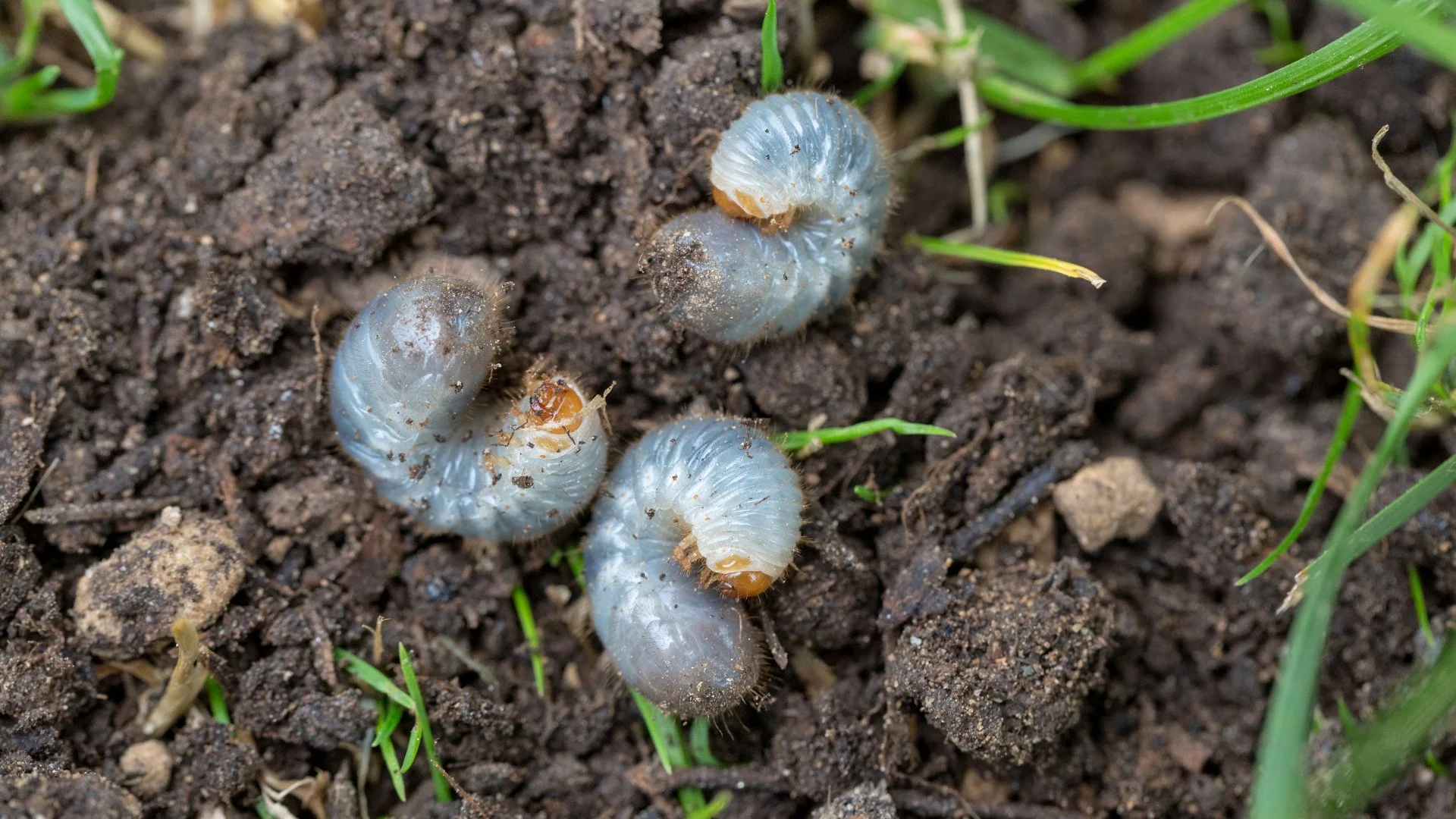
White grubs feed on roots. Turf can look dull, then wilt, then lift like a loose carpet when you pull gently. Birds working the same irregular patches each morning are another hint. The edges of damage are often uneven rather than a perfect circle. Dig a small flap at the border between weak and healthy grass and look for C shaped larvae in the root zone.
Count what you find in a square foot sample if you can do so carefully. A technician still confirms identification, but a photo of larvae next to a coin beats a vague report that "something is eating the lawn."
Why digging alone is not a diagnosis
Raccoons and skunks dig for food. Grubs are one food source, not the only one. Soft soil after irrigation or rain makes digging easy even when grub counts are low. Dogs can mimic the same torn look along fence lines. If you treat for grubs every time you see digging, you may miss moles, voles, poor drainage, or simple wildlife pressure.
Compare patterns with our notes on mole hills or vole runways when ridges and surface tunnels dominate. Mole control and grub control answer different questions even when they appear on the same property in the same month.
Record watering and mowing before you add product
Shallow daily watering keeps roots near the surface and can make grub injury show earlier. Deep, less frequent watering and a sensible mowing height support recovery after treatment. Write down recent irrigation changes, fertilizer dates, and whether the damaged area stays soggy or bone dry. Those notes sit beside larvae counts in a useful service request.
Broader lawn insect control may apply when other insects are active. Do not assume every brown patch is a grub year.
Timing matters as much as the product name
Preventive and curative grub approaches follow insect life stages and local timing. A product applied at the wrong moment frustrates everyone even when the label looks right on the shelf. Ask which window fits your West Michigan lawn and whether follow up monitoring is part of the plan. Recovery of the turf may also need seed, soil contact, or patience after roots were already lost.
Core aeration and fertility programs support density after the insect pressure is addressed. They do not replace identification.
Hardware store bags without larvae counts
Retail grub products are easy to buy after a scary morning of dug sod. Without larvae counts and timing, those bags become expensive hope. Save the receipt and the label if you already applied something, and tell us the date. That history changes what we recommend next and prevents overlapping chemistries that do not help recovery.
Recovery after confirmed grub feeding
Once larvae are confirmed and treatment is timed correctly, the lawn may still need help where roots were lost. Keep foot traffic off the weakest flaps, maintain sensible mowing height, and ask whether seed or soil contact work belongs on a later visit. Birds may keep working the area briefly after treatment as the food web shifts. Photograph weekly so you can see whether new digging is declining rather than judging from memory after one weekend.
What to send before the visit
Send wide and close photos, a short video of turf that lifts, any larvae photos, notes on animal sightings, and watering habits. Mark whether digging is new this week or has returned for years. Browse the blog for related lawn insect topics, then contact Tuff Turf at (616) 554-9499.
Start with root evidence. Let raccoon and skunk digging point you to the right corner of the yard, then confirm what is under the grass before you choose grub control.
Need Professional Help?
Our experienced team is ready to help you achieve the lawn of your dreams. Contact us today for a free estimate!