Check Your Sprinklers After Travel on West Michigan Clay Lawns
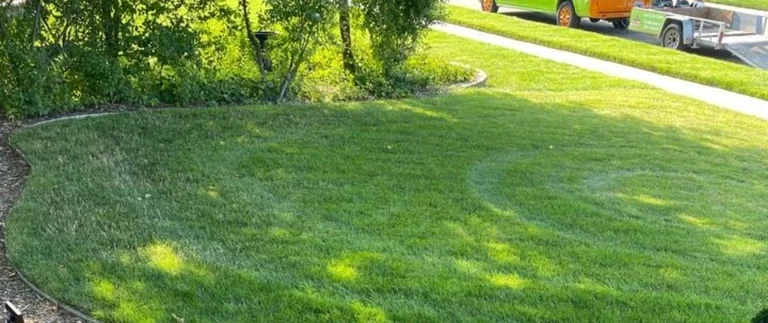
You walk the driveway in Byron Center or Holland and the lawn looks fine from the street. Step closer and the story changes: a dry band along the brick wall, a soggy corner under the maple, and a sprinkler head spraying half the sidewalk. That is common after travel on West Michigan clay. While you were away, a house sitter may have bumped the controller, or nothing changed while sun and shade did their usual uneven work.
Heavy clay holds water differently in every corner of the lot. Sunny edges beside pavement dry out fast. Shaded low spots stay wet long after rain. Downspouts dump extra water on turf that already gets a full zone cycle. Before you reseed or add fertilizer, restart your sprinklers with a simple checklist tied to how your soil actually behaves.
Walk the yard before you touch the controller
Run each zone once, then walk the lawn at dusk and again the next morning. Compare dry areas to wet ones on the same lot—not to your neighbor's sandy yard near the lakeshore.
- Photograph dry strips beside walks, driveways, and south-facing walls.
- Note shady zones that still squish underfoot two days after rain.
- Mark heads that miss corners, spray pavement, or sit blocked by growing shrubs.
Those photos save time if you later contact Tuff Turf for help with lawn care or irrigation questions on a Grand Rapids or Cascade property.
Fix aim before you add minutes everywhere
The biggest mistake after travel is raising run times on every zone at once. On clay, that floods the north side while the sunny strip beside the garage still bakes. Adjust one exposure at a time: fix blocked heads, shorten arcs that hit pavement, and redirect spray away from downspout splash zones.
Wait two days between zone changes so you can see whether moisture reaches about two inches down without turning shade into a swamp. For broader timing guidance, read when to start watering your lawn again in West Michigan and watering during hot weather on clay soil.
Match mowing and feeding to honest moisture
Stressed turf from dry strips may have been scalped before you left. Raise the mower deck and sharpen blades so you remove only the top third of the grass blade.
Once water matches each zone, steady lawn fertilization supports recovery better than feeding drought-stressed grass on a timer.
Compaction and pests often show up beside wet or dry bands
Paths to the gate and garage compress every season. If water runs off worn lanes even when sprinklers run long, plan core aeration when turf can heal—not as an emergency fix for a sprinkler gap.
Soggy shade holds mosquito habitat while sunny areas dry. Empty saucers, tip tarps, and browse mosquito control under pest control if evenings on the patio matter again. Fresh ridges near spongy turf may be burrowing damage; compare patterns in mole hills or vole runways before you blame grubs or drought alone.
What to bring if you want professional help
Controller screenshots, zone photos, and notes on which areas changed after travel give a technician a clear starting point. Mention cookout dates or a second trip so visits do not stack on the same weekend you need the yard clear.
Return week on clay rewards patience: fix coverage first, water deeply where soil is dry, and let the lawn tell you what it needs before you treat the whole yard from the curb. When you are ready for a visit on a real West Michigan lot, contact Tuff Turf for a free estimate.
Need Professional Help?
Our experienced team is ready to help you achieve the lawn of your dreams. Contact us today for a free estimate!